Vaginal Hygiene and UTIs: The Everyday Habits That Are Making Nigerian Women More Vulnerable
 Attah Oluchukwu Vivian
 Vaginal Hygiene and UTIs: The Everyday Habits That Are Making Nigerian Women More Vulnerable
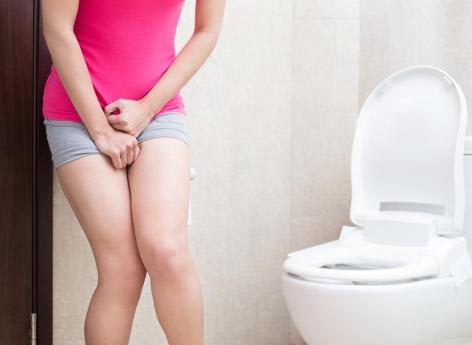
Every time she pees, it burns. A sharp sting that makes her not want to go to the bathroom again. She keeps running back every few minutes, but barely anything comes out. Her lower stomach feels heavy and uncomfortable.
At first, she ignores it, drinks more water, and hopes it passes. It does not. What she does not realize is that the habits causing this started long before the pain, such as holding in urine too long, not drinking enough water, and ignoring the early signs.
Many refer to UTIs as “toilet infection,” but UTIs are incredibly common among women, and many everyday habits quietly increase the risk without people even realizing it.
What Is a UTI and Why Does It Hit Women So Hard?

A UTI is an infection anywhere in the urinary system. The kidneys, the ureters, which are the tubes connecting the kidneys to the bladder, the bladder itself, and the urethra, which is the small tube that carries urine out of the body. Most infections start in the bladder or urethra. When they travel upward to the kidneys, things get considerably more serious.
The bacteria most responsible are E. coli, the same bacteria found naturally in the gut and around the rectal area. It doesn't need a dramatic entry point. It just needs a short path and an opportunity.
Women have exactly that.
Why Women Are Built More Vulnerable
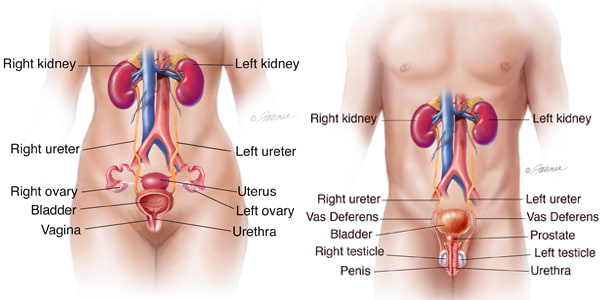
A woman's urethra is significantly shorter than a man's. That short distance between the outside world and the bladder means bacteria can travel inward with very little resistance. It is not a personal hygiene failure. It is anatomy. But anatomy is only part of the story.
The habits layered on top of that anatomy either protect women or expose them further. That's the part nobody is talking about clearly enough.
The Types of UTIs Women Experience
Not every UTI feels the same because not every UTI is the same.

Cystitis is a bladder infection and the most common type. When most women say they have a UTI, this is what they mean.
Urethritis affects the urethra itself and often causes burning alongside unusual discharge.
Pyelonephritis is a kidney infection. This is the serious one. Fever, back or side pain, nausea, and vomiting appearing alongside urinary symptoms mean the infection has moved upward and needs immediate medical attention, not more water and waiting.
Asymptomatic bacteriuria means bacteria are present in the urine without causing any noticeable symptoms. This usually doesn't need treatment except during pregnancy, where even a silent infection carries real risks for both mother and baby.
UTI Symptoms in Women: Reading What Your Body Is Saying
Early Signs of a UTI
Your body gives you signals early. Most women either miss them or explain them away.
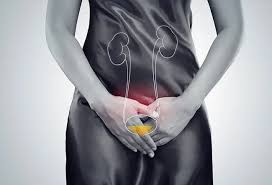
Burning or stinging when urinating that doesn't go away after one bathroom trip
Constant urge to urinate, even when very little actually comes out
Urine that looks cloudy, darker than usual, or smells unusually strong
Pressure or dull aching in the lower abdomen or pelvic area
That persistent feeling that your bladder never fully empties, even right after going
The moment fever, chills, back pain, nausea, or vomiting join those urinary symptoms, the conversation changes entirely. That combination suggests the infection has reached the kidneys. That is not a situation for home management. That is same-day medical care, full stop.
Everyday Habits That Are Increasing Your UTI Risk
Wiping Direction and Why It Matters More Than You Think
This is the simplest thing on this entire list and the one done wrong most often. Wiping back to front after using the toilet moves fecal bacteria, including E. coli, directly toward the urethra. One small change in direction removes a significant route for bacterial entry.
Front to back. Every single time. Without exception.
Douching and Vaginal Washing: The Hidden UTI Connection

Between 50 and 80% of Nigerian women douche regularly according to multiple studies. Most learned it from their mothers or older women in the family. Many do it after sex or menstruation as a cleanliness ritual passed down through generations.
Here's what that ritual is actually doing inside the body. Douching disrupts the vaginal flora, raises the pH away from its protective acidic range, eliminates the good bacteria that defend against infections, and pushes harmful bacteria upward toward the urethra. The CDC is clear about this. So is every major gynecological organization.
The vagina cleans itself. It has been doing this your entire life without any help from soap, herbs, lime juice, or feminine wash. Internal washing doesn't add protection. It removes the protection that was already there.
Plain warm water on the external vulva. That is genuinely all that's needed.
Dehydration in Nigeria's Climate
Nigeria's heat does not forgive, and many women move through entire workdays significantly dehydrated without registering it. Dehydrated urine is concentrated urine, and concentrated urine irritates the bladder lining while reducing the body's natural flushing mechanism that clears bacteria before they establish.

Eight glasses of water daily is not a general wellness tip in this context. For UTI prevention in Nigeria's climate, it is a practical biological necessity. More on hot days. More during harmattan. More than you think you need.
Tight Clothing and Synthetic Underwear

Moisture trapped against the skin in heat creates the exact warm, damp environment where bacteria grow fastest. Breathable cotton underwear changed daily and dried in direct sunlight significantly reduces the environmental impact. This matters especially for women spending long hours in tight work clothing, shapewear, or synthetic fabrics that hold heat against the body.
Holding Urine and Skipping Post-Sex Urination
Holding urine when you feel the urge gives bacteria already present in the bladder more time to multiply. Busy schedules, limited access to clean public toilets, and the general habit of postponing bathroom trips are all common realities for Nigerian women that quietly increase UTI risk over time.
Sexual activity mechanically pushes bacteria toward the urethra. This is not a moral or hygiene judgment. It is biology. Urinating within thirty minutes afterward flushes those bacteria out before they settle and multiply. One habit. Significant protection.
What Causes Recurring UTIs in Women?
Why Some Women Keep Getting UTIs Despite Treatment
If UTIs keep coming back, the infection was treated, but the trigger was never removed. The bacteria are clear. The habit continues. The infection returns like clockwork.
Common unaddressed triggers include persistent douching, chronic dehydration, and uncontrolled diabetes, which creates a sugar-rich internal environment where bacteria absolutely thrive, and a sexual partner carrying bacteria that reintroduces the cycle every time. Two or more UTIs in six months or three or more in a year is a pattern that needs investigation, not just another prescription.
When Recurring UTIs Signal an Underlying Condition
Sometimes recurring infections point to something deeper. Kidney stones are blocking urine flow. Hormonal changes from menopause reduce the protective estrogen in vaginal and urethral tissue. Structural issues are preventing complete bladder emptying. These need to be properly ruled out by a doctor, not managed indefinitely with repeated antibiotic courses that increasingly stop working.
UTI vs Vaginal Infection: How to Tell the Difference
Symptoms That Overlap
Both conditions can cause pelvic discomfort and that general sense that something in your body is just wrong. That overlap is exactly why women regularly mistake one for the other and reach for completely the wrong treatment.
Key Differences That Matter for Treatment
A UTI speaks through urination. Burning when you go. Urgency. Frequency. Cloudy or strong-smelling output. Pain in the lower abdomen.
A vaginal infection speaks through the vagina itself. Unusual discharge. Itching. Odor. Irritation around the vaginal opening, as we have elaborated more in this article
Different causes. Different treatments. Using the wrong one doesn't just fail to fix the problem. It can disturb the vaginal environment further and create the conditions for the other infection to develop. A proper diagnosis from a healthcare provider is not optional here. It is the only responsible first step.
UTIs During Pregnancy: A Different Level of Risk
How Pregnancy Changes UTI Risk
Pregnancy hormones relax the muscles lining the urinary tract, slowing urine flow and giving bacteria more time to settle in one place. The growing uterus adds pressure on the bladder, making complete emptying consistently harder. Together, these changes push UTI risk significantly higher at exactly the time when infections carry the most serious consequences.
Even asymptomatic bacteriuria, which usually doesn't need treatment, gets treated during pregnancy specifically because of its direct links to preterm labor and low birth weight. The stakes are simply different.
When to Seek Immediate Help
Any urinary symptom during pregnancy, no matter how mild it seems in the moment, needs same-day medical attention. This is not the situation for waiting it out or trying home remedies first.
How to Prevent UTIs Through Better Vaginal Hygiene
Daily Habits That Actually Protect You
Wipe front to back every single time without exception
Wash the external vulva only with plain warm water or mild fragrance-free soap
Stop douching completely and permanently
Wear breathable cotton underwear and change it every day
Dry underwear in direct sunlight whenever possible
Change sanitary pads or tampons every four to six hours during menstruation
Urinate within thirty minutes after sexual activity
Never hold urine for extended periods when you feel the urge to go
What to Drink and Eat
Water is the most accessible and evidence-based UTI prevention tool available to every Nigerian woman, regardless of income or location. Cranberry products have mixed evidence but may help prevent bacteria from sticking to the bladder wall in some women. They do not treat an active infection, and they are not a substitute for medical care. Reducing sugar intake matters particularly for women managing diabetes or insulin resistance, because elevated blood sugar creates the environment bacteria thrive.
When Lifestyle Changes Are Not Enough
If infections keep returning despite genuinely consistent prevention habits, something deeper is happening, and it needs investigating. Ask your doctor specifically for a urine culture, not just a quick urinalysis. A culture identifies exactly which bacteria are present and which antibiotics will actually work against them. This distinction matters more every year as antibiotic resistance continues growing across Nigeria's healthcare landscape.
When to See a Doctor for a UTI in Nigeria
Do not self-medicate with leftover antibiotics sitting in a drawer from a previous illness. Do not borrow someone else's prescription because the symptoms feel similar. Taking the wrong antibiotic doesn't just fail to clear the infection. It contributes to the broader antibiotic resistance problem that is already making UTI treatment harder and less predictable for everyone.
Conclusion.
UTIs are painful. They follow you through your workday, interrupt your sleep, and turn something as ordinary as using the bathroom into something you dread. They make you feel like your own body is working against you.
But here's what matters most. They are largely preventable.
Stop douching. Drink enough water for the climate you actually live in. Wipe in the right direction. Wear cotton. Urinate after sex. None of these is an expensive intervention. None of them requires a hospital visit or a prescription. They are small, consistent, daily decisions that protect a system your body absolutely cannot function without.
And when symptoms show up despite your best efforts, please see a doctor promptly.