The Right Way to Wash Your Hands (and Why Most People Get It Wrong)
 Ezugwu Pauline
 The Right Way to Wash Your Hands (and Why Most People Get It Wrong)
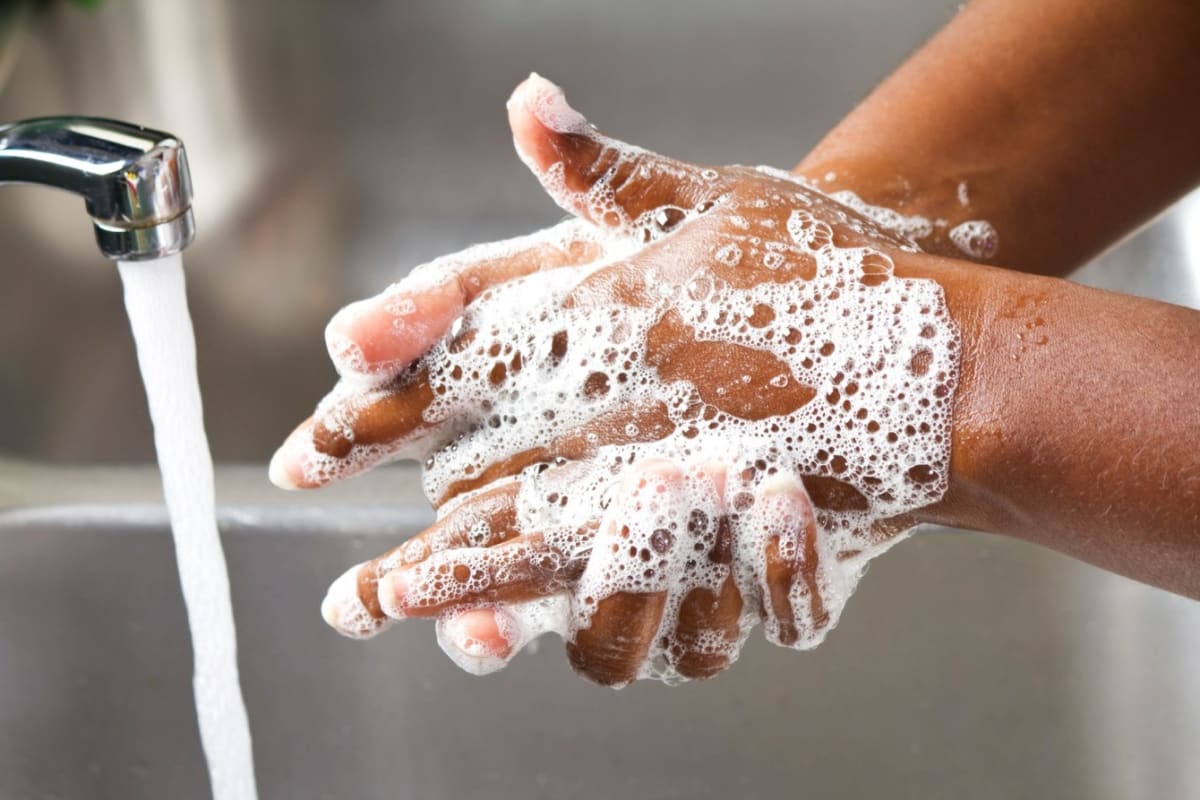
Washing your hands sounds like one of the easiest things to do in the world. You turn on the tap, rub your hands quickly, rinse, and you’re done… right? But that is not all to hand washing, many people are not doing it the right way. This small daily habit, when done properly, can save lives and reduce or prevent the spread of the many diseases we see today.
According to the World Health Organization (WHO), most people are not washing their hands properly and this simple mistake can allow germs to spread easily.
What Most People Do Wrong
Many people think they are washing their hands well, but here are common mistakes:
Washing too quickly
Not using soap
Forgetting areas like nails, thumbs, and between fingers
Not drying hands properly
Your hands may look clean, but still have germs moving freely.
Why Washing of Hand is so important in the health sector
Our hands touch everything: phones, money, door handles, food, we shake hands and some don’t remember to wash their hands after using the restroom. As we do this, we pick up invisible germs like bacteria and viruses.
When we touch our face, eat, or rub our eyes without clean hands, these germs enter our body. This can lead to illnesses like diarrhea, flu, COVID-19, and other infections. Good handwashing acts like protection. It keeps you safe and also protects people around you.
Health experts around the world have explained the best way to wash hands. The process is not complicated, but it requires attention to detail. Although WHO recommends 20-30 seconds, these experts recommend 20 to 40 seconds.
Anyone you decide to follow is fine and suitable. And lastly just not feel overwhelmed tired because of how long you need to stay at the tap, you could choose to sing your favorite short song twice.
The Right Way to Wash Your Hands (Step-by-Step)

The WHO recommends washing your hands for at least 20–30 seconds. Here are the right steps/methods for hand washing/hygiene:
Wet your hands with clean water
Apply soap
Rub palm to palm
Clean the back of your hands
Clean between your fingers
Clean the back of your fingers
Wash your thumbs
Scrub your fingertips and nails
Rinse thoroughly
Dry with a clean towel or air dry
Practicalizing hand washing/ the Process
Start by wetting your hands with clean, running water. It can be warm or cold, both works fine. Next, apply enough soap to cover all parts of your hands. Many people make the mistake of using too little soap, but enough soap is important to break down germs.
Now comes the most important part, scrubbing.
Rub your palms together first. Then rub the back of each hand with the palm of the other hand. Interlock your fingers and scrub between them. Don’t forget your fingertips and under your nails, because germs love to hide there. Clean your thumbs by rotating them in your opposite palm. Also, rub your wrists.
This whole scrubbing process should take at least 20-30 seconds.
After scrubbing, rinse your hands well under running water. Make sure all the soap is washed away. Then dry your hands using a clean towel emphasis on clean towel. If you use dirty towel , it’s as good as not washing the hands at all or better still, air dry them. Wet hands can still spread germs, so drying is important.
Why it is Essential to Wash Your Hands
Because proper handwashing is one of the easiest and cheapest ways to protect your health. It prevents infections and stops diseases from spreading to others. In places where healthcare is limited, this simple act can make a huge difference.
Think about it this way: your hands are like a bridge between the outside world and your body. If the bridge is clean, you stay safe. If it is dirty, harmful germs can easily cross over.
The good news is that learning the right way to wash your hands is easy, and anyone can do it. It doesn’t require expensive tools; just water, soap, and a little time.
You can also teach others, especially children, how to wash their hands properly. Turning it into a fun activity, like singing a song while scrubbing, can help them remember to wash for the right amount of time.
Why Soap Matters
Soap helps break down and remove germs from your skin. Water alone cannot do this properly.
Think of soap as something that lifts germs off your hands so they can be washed away.
When Should You Wash Your Hands?
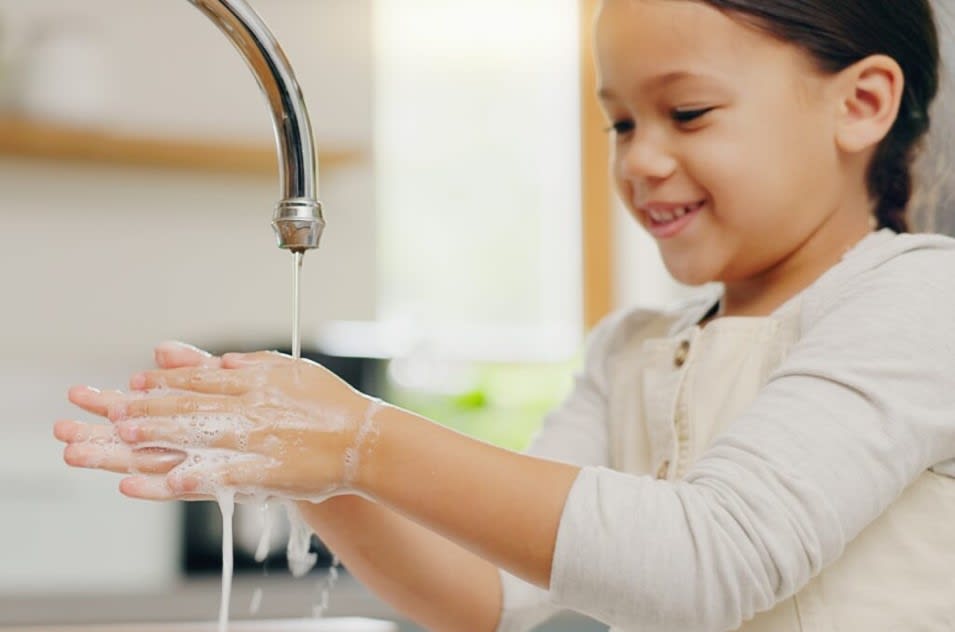
You should wash your hands:
Before eating or preparing food
After using the toilet
After coughing or sneezing
After touching public surfaces
After caring for someone who is sick
5 Diseases You Can Prevent Simply by Washing Your Hands Properly
You might be surprised how many illnesses can be avoided just by washing your hands the right way:
1. Diarrhea
Passing loose, watery stools three or more times a day, or more frequently than what is normal for you. Dirty hands can carry germs into your mouth when eating. Proper handwashing greatly reduces the risk.
2. Flu (Influenza)
The flu (influenza) is a contagious respiratory illness caused by influenza viruses that infect the nose, throat, and sometimes the lungs. Viruses that cause flu can stay on surfaces. When you touch them and then your face, they find their way into your body and then you get sick.
3. COVID-19
The COVID-19 also known as coronavirus spreads through contact and droplets. When you come in contact with an infected person and you don’t wash your hands you might get infected also. Clean hands help reduce transmission.
4. Cholera
Cholera is an acute infection of the intestines. This is a serious disease caused by contaminated food or water. Washing your hands before eating is very important in preventing it.
5. Typhoid Fever
Typhoid fever is a life-threatening infection caused by the bacterium Salmonella Typhi. This infection spreads through poor hygiene and contaminated food. Handwashing plays a key role in stopping it.
Remember
Handwashing is not just a habit, it is a life-saving action. Many people get sick not because they don’t wash their hands, but because they don’t wash them correctly.
Conclusion
In conclusion, handwashing is a simple habit, but doing it correctly makes a big difference. Many people think they are doing it right, but small mistakes reduce its effectiveness. By taking a few extra seconds and paying attention to every part of your hands, you can protect yourself and others from many illnesses.
Next time you wash your hands, don’t rush. Take your time, follow the steps, and do it properly. Your health and the health of those around you, depends on it.