Hantavirus in Africa: Is Nigeria at Risk and What Families Need to Know Right Now
 Attah Oluchukwu Vivian
 Hantavirus in Africa: Is Nigeria at Risk and What Families Need to Know Right Now

A cruise ship left Argentina in April 2026 carrying hundreds of passengers from multiple countries. By the time it docked, several people on board had tested positive for hantavirus. Some died. Patients were airlifted to hospitals in South Africa. Contact tracing reached Senegal.
The world paid attention for a moment. Then moved on.
But here's the question Nigerian families should actually be asking: if hantavirus can travel across continents on a cruise ship, and if rats are a daily reality in Nigerian homes, markets, farms, and grain stores, what exactly is the risk sitting right inside your own compound?
The honest answer is more complicated than a simple yes or no. And you deserve the full picture.
What Is Hantavirus?

Hantavirus is not one single virus. It's a family of viruses carried primarily by rodents that can cause serious, sometimes fatal illness in humans. Different strains exist in different parts of the world. Each strain tends to attack the body in a specific way.
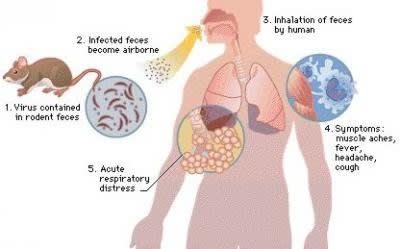
The virus doesn't need the rat to bite you. It doesn't need direct contact at all. Breathing in dust from dried rat droppings, urine, or nesting materials is enough. That's what makes it quietly dangerous in environments where rodents are common, and spaces aren't always well-ventilated.
Why Is Hantavirus Dangerous?
Two reasons. First, early symptoms look almost identical to those of malaria or the flu, which means most people don't connect what they're feeling to rodent exposure until things escalate. Second, there is no specific antiviral cure and no approved vaccine. Treatment is entirely supportive, which means managing symptoms in a hospital setting while the body fights the infection itself.
In severe cases, outcomes depend almost entirely on how quickly medical care begins. Early intervention dramatically changes survival odds. Delayed care does the opposite.
How Common Is Hantavirus in Africa and Nigeria?
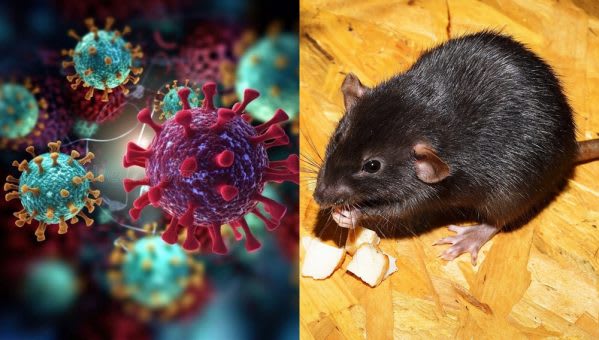
This is where the picture gets important. As of mid-May 2026, Nigeria has no confirmed hantavirus cases according to the NCDC, WHO, and Africa CDC. The current global cluster is linked to travel exposure in South America, not local transmission in Africa.
But hantavirus strains, including Sangassou and Tanganya, have been detected in rodents and shrews across West Africa. Seroprevalence studies, which test for antibodies indicating past exposure, suggest human infections in Africa are likely underreported rather than genuinely absent. Limited diagnostic capacity and overlap with other febrile illnesses like Lassa fever mean cases get missed or misattributed.
The current public risk for the average Nigerian family is assessed as low by NCDC and WHO. That doesn't mean zero. It means the threat is real enough to understand and prepare for without panic.
Types of Hantavirus Disease Every Nigerian Should Know.
Hantavirus Pulmonary Syndrome (HPS)
This is the version causing the 2026 global concern. It's caused by New World hantavirus strains primarily circulating in the Americas. It attacks the respiratory system, causing fluid to accumulate in the lungs, respiratory distress, and in severe cases, circulatory collapse. Fatality rates in some strains reach up to 50%.
Hemorrhagic Fever With Renal Syndrome (HFRS)
This is the Old World version, the type more relevant to Africa, Europe, and Asia. Instead of attacking the lungs, it targets the kidneys and blood vessels. Symptoms include bleeding tendencies, low blood pressure, and kidney failure in severe cases.
Which Type Is Most Relevant to Nigeria?
Based on the strains detected in West African rodents, HFRS-type disease is the more relevant concern for Nigeria. The respiratory syndrome driving current global headlines is linked specifically to South American travel exposure. Understanding this distinction matters because symptoms differ, and so does what healthcare workers need to watch for.
Hantavirus Symptoms: What to Watch For
Early Symptoms of Hantavirus
The first phase lasts a few days and feels deceptively ordinary:
Sudden fever and chills
Severe muscle aches, especially in the thighs, hips, and back
Headache and dizziness
Extreme fatigue that arrives quickly and feels disproportionate
Nausea, vomiting, diarrhea, or abdominal pain
Here's the detail that matters. Unlike the flu, hantavirus does not typically cause a runny nose, sore throat, or skin rash. If those symptoms are absent but everything else on the list is present after any rodent exposure, that combination needs immediate medical attention.
When Hantavirus Symptoms Become an Emergency
Four to ten days after the early phase, the virus escalates:
In pulmonary cases, shortness of breath develops rapidly. Coughing worsens. Fluid builds in the lungs. This progression can happen within hours once it starts.
In renal cases, urine output drops significantly. Blood pressure falls. Bleeding may occur in various parts of the body.
Either trajectory is a medical emergency. Neither responds to paracetamol and should rest at home.
Hantavirus vs Flu: How to Tell the Difference
Feature | Hantavirus | Flu |
Runny nose | No | Yes |
Sore throat | No | Common |
Muscle aches | Severe, specific | Mild to moderate |
Progression | Rapid deterioration | Gradual |
Respiratory symptoms | Appear days later, severe | Present early, milder |
Rodent exposure link | Key risk factor | Not relevant |
If flu-like symptoms appear within one to eight weeks of any rodent contact, that exposure history changes everything about how those symptoms need to be evaluated.
Hantavirus Symptoms Checklist
Take this to the doctor or emergency room:
Sudden fever within weeks of rodent exposure
Severe muscle aches without obvious cause
Extreme fatigue appearing rapidly
Nausea, vomiting, or diarrhea alongside fever
Shortness of breath developing days after initial symptoms
Decreased urine output or blood in urine
No runny nose or sore throat despite flu-like presentation
How Do You Get Hantavirus? Understanding Transmission
Breathing in Contaminated Air
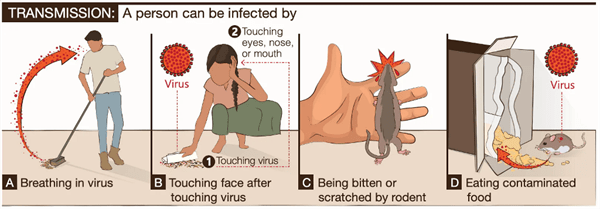
This is the primary route, and the one most people don't think about. When rat droppings, urine, or nesting materials dry out, they become dust. Disturbing the dust in a poorly ventilated space, sweeping a storeroom, moving old bags of grain, or cleaning a rarely used room, releases viral particles into the air you breathe.
This happens in Nigerian homes, markets, farm stores, and offices every single day without anyone connecting the activity to a health risk.
Direct Contact With Rodents or Their Droppings
Handling rats or their waste with bare hands, especially through broken skin, is another transmission route. Rat bites are less common but carry the same risk. In communities where bushmeat from rodents is handled without protective equipment, indirect exposure is a genuine concern.
Can Hantavirus Spread From Person to Person?
For almost every known hantavirus strain, the answer is no. You cannot catch it from casual contact with an infected person. The exception is the Andes virus strain currently linked to the 2026 cruise ship cluster, which has been documented, though uncommon, human-to-human transmission requiring prolonged close contact. This distinction matters for families with a sick member who has recent rodent or travel exposure.
Hantavirus Risk Factors: Who Is Most Vulnerable in Nigeria?
Living or Working Near Rodent-Infested Areas
This is the most significant risk factor, and it describes a substantial portion of the Nigerian population. Homes in peri-urban areas, compounds with grain storage, buildings near open drainage, and structures with known rodent activity all carry elevated exposure risk.
Farmers, Market Workers, and Food Storage Handlers
Anyone who regularly works with grain, produce, or food storage in environments where rodents are present faces repeated low-level exposure. Farmers handling stored grain, market traders managing food stalls, and warehouse workers all fall into this category.
People in Rural and Peri-Urban Nigerian Communities
Rural communities face compounded risk from high rodent populations, limited access to pest control resources, food storage in traditional granaries, and reduced access to diagnostic healthcare when symptoms develop.
Healthcare Workers and Hantavirus Risk
Healthcare workers treating patients with suspected hantavirus need transmission-based precautions beyond standard hygiene. Understanding the distinction between strains that spread person-to-person and those that don't directly affects how clinical environments manage suspected cases.
Why Nigeria Faces a Real Hantavirus Exposure Risk
The Rodent Problem in Nigerian Homes and Markets
Rats and mice are not occasional visitors in most Nigerian environments. They are residents. They live in walls, ceilings, market stalls, grain stores, and under kitchen floors. They move freely between food storage and living spaces. In that context, the question is not whether Nigerians come into contact with rodent waste. It's how frequently and how safely.
Climate and Environmental Conditions That Increase Risk
Nigeria's tropical climate supports year-round rodent activity. Urbanization creates dense environments where rodent populations concentrate around waste, food, and water sources. Seasonal food storage practices create consistent points of rodent-human intersection across both rural and urban settings.
Limited Awareness and Healthcare Access
Perhaps the most significant vulnerability is diagnostic. When a Nigerian patient presents with fever, muscle aches, and fatigue, hantavirus is rarely on the differential diagnosis list. It gets called malaria, typhoid, or Lassa fever, depending on the clinical setting. Cases that do occur are likely absorbed into other diagnostic categories, which means the true exposure picture in Nigeria remains genuinely unknown.
How to Prevent Hantavirus in Nigerian Homes and Communities
Rodent Control: The First Line of Defense
The NCDC, WHO, and Africa CDC all point to the same foundation: rodent avoidance and environmental control.
Keep living spaces and surroundings clean. Remove clutter, weeds, and debris that shelter rodents. Store all food, including grains, staples, and leftovers, in sealed metal or hard plastic containers. Never leave food exposed overnight. Dispose of waste in covered bins and keep drainage areas clear.
In farm and rural settings, clear crop residues, manage field sanitation, and use elevated grain storage where possible. Community-wide synchronized cleaning efforts work significantly better than individual household efforts alone because rodents simply relocate if neighboring environments remain attractive.
How to Safely Clean Areas With Rodent Droppings
This is the part most Nigerian families get dangerously wrong. Never sweep or vacuum dry rodent droppings. That single action aerosolizes viral particles directly into the air you are breathing in that moment.
The correct approach is to ventilate the space first by opening windows and leaving for thirty minutes before entering. Then wet the droppings thoroughly with a disinfectant or bleach solution mixed at one part bleach to ten parts water. Let it sit for five minutes. Then wipe up using gloves and dispose of everything in a sealed bag. Wash your hands thoroughly afterward. Wear a mask covering both nose and mouth throughout the entire process.
This applies to storerooms, ceiling spaces, under furniture, and anywhere rat activity has been visible.
Protecting Your Home From Rodent Entry
Seal every gap, crack, and hole in walls, floors, roofs, and around pipes. Metal mesh, cement, and steel wool all work. Install door sweeps on exterior doors. Repair torn window screens. Rodents enter through openings as small as a coin. If light passes through a gap, a rat can follow.
Personal Protection When Rodent Exposure Is Unavoidable
For farmers, market workers, and anyone regularly handling grain or working in rodent-prone environments, protective gloves and masks are not excessive precautions. They are the minimum sensible barrier between common daily activity and potential viral exposure.
Avoid handling dead rodents with your bare hands under any circumstances. Bury or burn carcasses while wearing gloves. For bushmeat handling, protective equipment matters regardless of whether hantavirus is the specific concern.
Common Myths About Hantavirus Nigerians Need to Stop Believing
Myth: You have to be bitten by a rat to get hantavirus. Breathing in dust from dried rat droppings or urine is the primary transmission route. No bite required.
Myth: Hantavirus only affects people in America or Europe. Hantavirus strains exist in African rodent populations. Human cases are likely underreported due to diagnostic limitations, not genuine absence.
Myth: If you feel fine after seeing rats, you're safe. The incubation period is one to eight weeks. Symptoms appear long after the exposure event. Feeling fine immediately after contact means nothing about what the following weeks may bring.
Myth: Hantavirus spreads easily between people. For almost all known strains, it does not. The exception is the Andes virus strain currently in the news, which requires prolonged close contact even in documented cases.
Myth: There's a cure if you catch it early. There is no specific antiviral treatment for hantavirus. Supportive hospital care begun early significantly improves survival outcomes. Early means the moment symptoms appear after known exposure, not after deterioration has set in.
Conclusion
What protects you is not complicated. Seal your home against rodent entry. Store food properly. Never dry-sweep rat droppings. Use gloves and masks when cleaning rodent-contaminated spaces. Control rodent populations actively rather than accepting them as inevitable.
And if fever, severe muscle aches, and fatigue appear within weeks of any rodent contact, tell your doctor about that exposure immediately. Don't wait for breathing difficulty to develop. Don't manage it at home with malaria treatment and hope. The window where medical support changes outcomes is early. Not after the virus has already reached its most dangerous phase.
The rat in your ceiling is not an inevitability you have to accept. It is a manageable risk that most Nigerian families have the tools to address today, before it becomes a medical conversation nobody wants to have.