How Contraceptives Affect Women’s Bodies and Mental Health: What You Should Know
 Ezugwu Pauline
 How Contraceptives Affect Women’s Bodies and Mental Health: What You Should Know

Contraceptives, also known as birth control, are widely used by women around the world. They help prevent unwanted pregnancies and give women the ability to plan their futures, education, and families; but there is something about contraceptives that many women do not know. Contraceptives are not just about avoiding pregnancy, “No”, they are also used to manage menstrual pain, regulate periods, and treat certain health conditions.
Now this is where the problem lies, the side effects. While contraceptives offer many benefits, they also affect a woman’s body and mental health in different ways. Some women use them without any problems, while others women, experience physical or emotional changes. These effects can sometimes be confusing or even worrying, especially when women are not fully informed about what to expect.
Understanding Contraceptives
Contraceptives are methods used to prevent pregnancy. They come in different forms, and each type works in its own way.
The most common types include:
Hormonal methods such as pills, injections, implants, and patches
Barrier methods like male and female condoms
Intrauterine devices (IUDs), which can be hormonal or non-hormonal (copper)
Natural methods, such as tracking ovulation
Permanent methods, like tubal ligation
Hormonal contraceptives are the most used and the ones most likely to affect both the body and mental health. They work by changing the natural hormones in a woman’s body; mainly estrogen and progesterone.
These hormones control many functions in the body, including the menstrual cycle, mood, and even energy levels. So, when contraceptives change these hormones, it can lead to different physical and emotional effects.
Physical Effects on the Body

One of the first things many women notice when they start using contraceptives is a change in their body.
1. Changes in Menstruation
Contraceptives can change how a woman’s period looks and feels. Some women may have:
Lighter periods
Shorter periods
No periods at all
Other women experience:
Irregular bleeding
Spotting between periods
These changes are usually normal, but they can feel strange at first.
2. Weight Changes
Weight gain is one of the most talked-about side effects of contraceptives. Some women notice:
Increased appetite
Slight weight gain
This is more common with hormonal injections. However, it is important to understand that not all women gain weight. Some women remain the same, and a few may even lose weight.
3. Breast Changes
Hormonal changes can affect the breasts. Women may experience:
Tenderness
Swelling
Sensitivity
This usually happens in the first few months and often goes away as the body adjusts.
4. Headaches and Nausea
Some women may experience:
Mild headaches
Feeling like vomiting (nausea)
These symptoms are more common when starting pills and often improve with time.
5. Skin Changes
Contraceptives can affect the skin in different ways. Some women notice:
Clearer skin
Reduced acne
Others may experience:
Breakouts
Oily skin
6. Sexual Desire (Libido)
Hormonal contraceptives can also affect sexual feelings. Some women may:
Feel less interested in sex
Feel more interested in sex
There is no single experience—it varies from person to person.
These changes should not scare you but rather, orientate you on what to expect and guide you on the right Contraceptives to use. Moving on, Contraceptives, like I earlier said, affects a woman physically and emotionally. This emotions are controlled by hormones that navigates the female psychology/Mental Health. Hormones play a strong role in how we feel, think, and react. When contraceptives change hormone levels, they can also influence mood and mental health. So what are the effects of this hormones on our mental health?
Effects on Mental Health
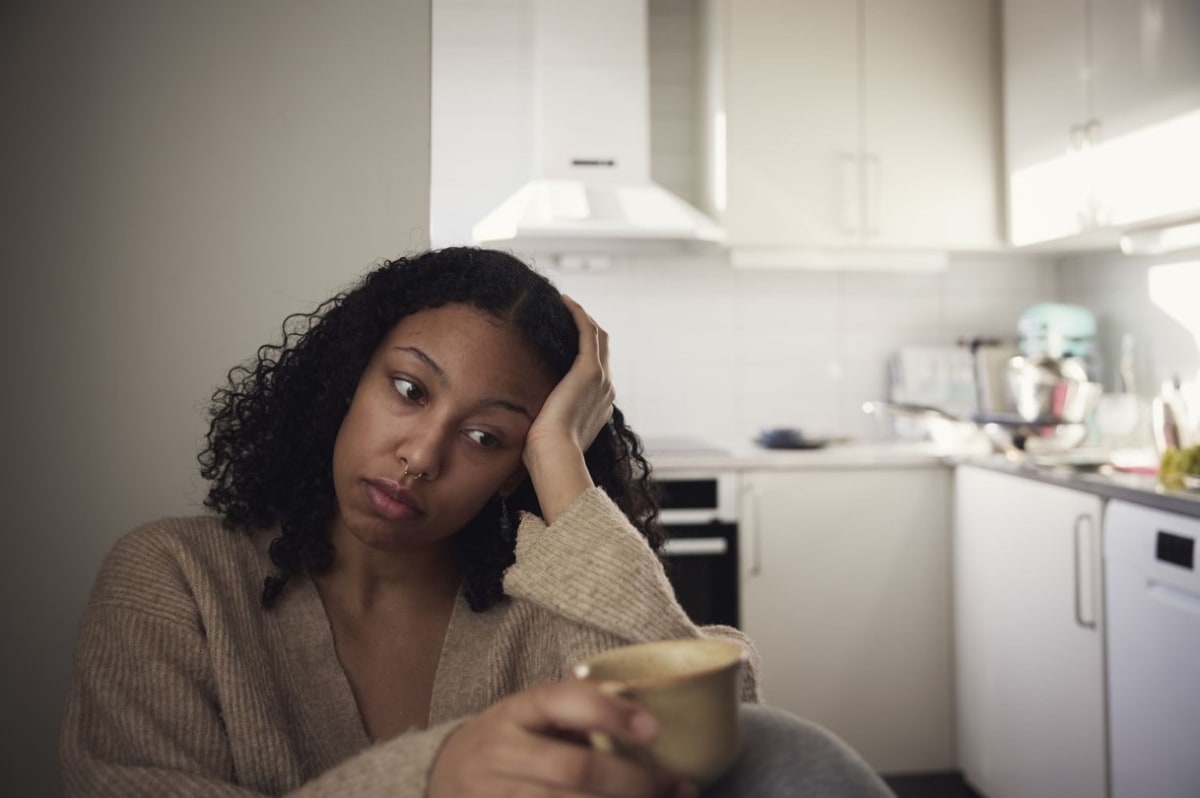
1. Mood Swings
Many women report mood changes when using contraceptives. And most times these affects relationships and daily life. These women may feel:
Happy one moment and sad the next
Easily irritated
More emotional than usual
you can read more on how hormones affect emotions in our articles on mental health and women
2. Depression
Some women experience symptoms of depression while using hormonal contraceptives. These may include:
Feeling sad for long periods
Losing interest in activities
Low energy
Feeling hopeless
It is important to note that not every woman will experience this, but it should not be ignored if it happens.
3. Anxiety
Anxiety is another possible effect. Women may feel:
Restless
Nervous
Constantly worried
Sometimes, they may not even understand why they feel this way.
4. Emotional Sensitivity
Some women become more sensitive emotionally. They may:
Cry more easily
Feel overwhelmed quickly
Take things more personally
5. Difficulty Concentrating
A few women have reported the following:
Trouble focusing
Feeling mentally “foggy”
Other, however, feel more stable and balanced
Positive Effects of Contraceptives

It is important to balance the discussion by recognizing the benefits/merits of using contraceptives.
1. Prevention of Unplanned Pregnancy
This is the main reason many women use contraceptives. It allows women to:
Plan their families
Continue education
Focus on career goals
2. Better Menstrual Control
Contraceptives can:
Make periods regular
Reduce heavy bleeding
Reduce cramps
3. Treatment of Health Conditions
Doctors sometimes prescribe contraceptives to manage:
Polycystic ovary syndrome (PCOS)
Endometriosis: The inner lining of the uterus growing on the outer part of the uterus.
Severe menstrual pain or even absence of menstruation
4. Improved Skin
Some hormonal contraceptives help reduce acne and improve skin appearance. A lot of women will like this one.
Why Effects Differ Among Women
Not all women react the same way to contraceptives. This is because of several factors.
1. Individual Body Chemistry: Each woman’s body is unique. Hormones work differently in each person. For instance, a woman may experience extreme mood swings while another, might not experience that.
2. Type of Contraceptive: different methods have different effects. For example:
Pills may affect mood differently than injections
Copper IUDs do not contain hormones, so they may not affect mood
3. Lifestyle Factors: Things like Diet, Stress, Sleep can influence how the body reacts. Women are always advised to take good care of themselves when using contraceptives. A healthy diet, proper sleep and stress management can trigger a positive effect in the body.
4. Medical History: a woman’s past health conditions can also play a role. For example, a woman who is hypertensive can experience unpleasant effect compared to someone who is not.
Common Myths and Misunderstandings
There are many myths about contraceptives that can create fear or confusion. There are as follows:
Myth 1: Contraceptives cause permanent infertility
Truth: Most contraceptives are reversible. Fertility usually returns after stopping them. For example, a woman who chose the IUD method can just come to the hospital and get it out. And she’s ready to conceive again.
Myth 2: All women gain weight
Truth: Not every woman gains weight. This always depends on the individual, it will be wrong to judge your contraception journey with that of a friend.
Myth 3: Contraceptives are harmful to all women
Truth: They are generally safe when used under proper medical guidance.
Making the Right Choice
It is always best to speak with a healthcare provider before starting any method. It help guide the women to make a choice that will be suitable for her. And when choosing a contraceptive method, women should consider:
Their health
Their lifestyle
Their comfort level
Possible side effects
Managing Side Effects
If side effects occur, there are simple or easy ways to manage them. They are:
Give the body time to adjust
Eat healthy foods
Exercise regularly
Track symptoms
Seek medical advice if needed
When to Seek Medical Help
While many side effects are mild, some of the symptoms should not be ignored. If you notice any of the following, consult a healthcare professional immediately
Severe headaches
Chest pain
Severe depression
Heavy or prolonged bleeding
Vision problems
The Importance of Awareness and Support
Many women stop using contraceptives because they are not prepared for the changes. It is always important to educate yourself by going for a proper family planning counseling with the right health care provider to prepare your mind for the aftermath, which is not permanent. Education and awareness can:
Reduce fear
Improve confidence
Help women make better decisions
Support from family, friends and partners is also very important.
Conclusion
Contraceptives play a major role in women’s health. They help prevent unplanned pregnancies and provide many health benefits. However, they can also affect the body and mental health in different ways. Some women experience physical changes like weight gain or irregular periods, while others may notice emotional changes like mood swings or anxiety. At the same time, many women enjoy positive effects such as better menstrual control and improved skin. The most important thing to remember is that every woman’s experience is different. What works well for one person may not work the same for another.