Mental Health: Understanding Your Mind
 Angel Okoli
 What is mental health?
Mental health is a state of mental well-being that enables people to cope with the stresses of life, realize their abilities, learn well and work well, and contribute to their community. [ WHO ]
Mental health is just as important as other aspects of health but it is so often overlooked or misunderstood. Some people think that as long as you haven't gone “mad” you're fine but that is not the case. We redefined health in this article.
Mental health is not simply the absence of mental illness, disorders and disabilities.
It goes far beyond that, a person can have no diagnosed mental illness but still have poor mental health. Our mind shapes how we think, feel, act, and handle daily challenges. When we understand our mental health better, we can take steps to care for it, strengthen it, and seek help when needed.
Good mental health does not mean feeling happy all the time. Everyone experiences sadness, anger, fear, or stress. The key difference is how we manage these emotions and how long they last.
When mental health is balanced, people can:
Handle everyday stress
Work productively
Maintain healthy relationships
Adapt to change
Recover from setbacks
Why Mental Health Is Important
It's a no-brainer really; if our mental health collapses, it will become extremely difficult to do pretty much anything. Remember, our mental health affects our overall psychological well-being and the state of our emotional, cognitive and social functioning.
That's a lot.
Every stage of life, from childhood to old age, is affected by mental health. Poor mental health can influence relationships, work performance, physical health, and overall quality of life.
Conditions like anxiety, depression, and long-term stress can weaken immunity, disrupt sleep, and increase the risk of heart disease.
While on the other hand, strong mental health improves focus, creativity, self-confidence, and emotional control. It allows people to enjoy life, reach their goals, and support others.
And yet, mental illnesses still come with stigma in today's society, leaving people ashamed, embarrassed or afraid to speak up when they're suffering. And studies have shown that mental illnesses are more common than we think.
According to the National Institute of Mental Health [NIH], taking the U.S as a case study, it is estimated that more than one in five U.S. adults live with a mental illness (59.3 million in 2022; 23.1% of the U.S. adult population) [NIH].
59.3 million people as of the year 2022 and yet it isn't prioritized enough, we need to understand that a strong mental health is just as important as our physical health and other aspects of health. Many people avoid seeking help because they fear being judged or misunderstood. Mental health struggles are not personal flaws. They are human experiences and talking openly about mental health creates understanding, compassion, and support. When people share their stories, others feel less alone and more encouraged to seek help!
Let's talk about the common mental health challenges people face.
Common Mental Health Challenges
1. Anxiety disorders
• Anxiety involves excessive worry, fear, or nervousness that interferes with daily life. In 2021, 359 million people were living with an anxiety disorder including 72 million children and adolescents [WHO].
• Symptoms include restlessness, fatigue, muscle tension,overthinking, feeling a sense of impending doom, difficulty concentrating and physical reactions like racing heart or sweating. Symptoms can also be behavioral like avoiding situations that cause anxiety, which can disrupt work, school, or relationships.
• Types include:
- Generalized Anxiety Disorder: A chronic, exaggerated worry about everyday situations.
- Panic Disorder: Sudden, intense, and repeated episodes of fear or panic attacks.
- Social Anxiety Disorder: Intense fear of being judged or embarrassed in social situations.
- Separation Anxiety Disorder: Excessive fear of being apart from loved ones.
- Specific Phobias: Extreme fear of specific objects or situations (e.g., heights, flying).
2. Depression
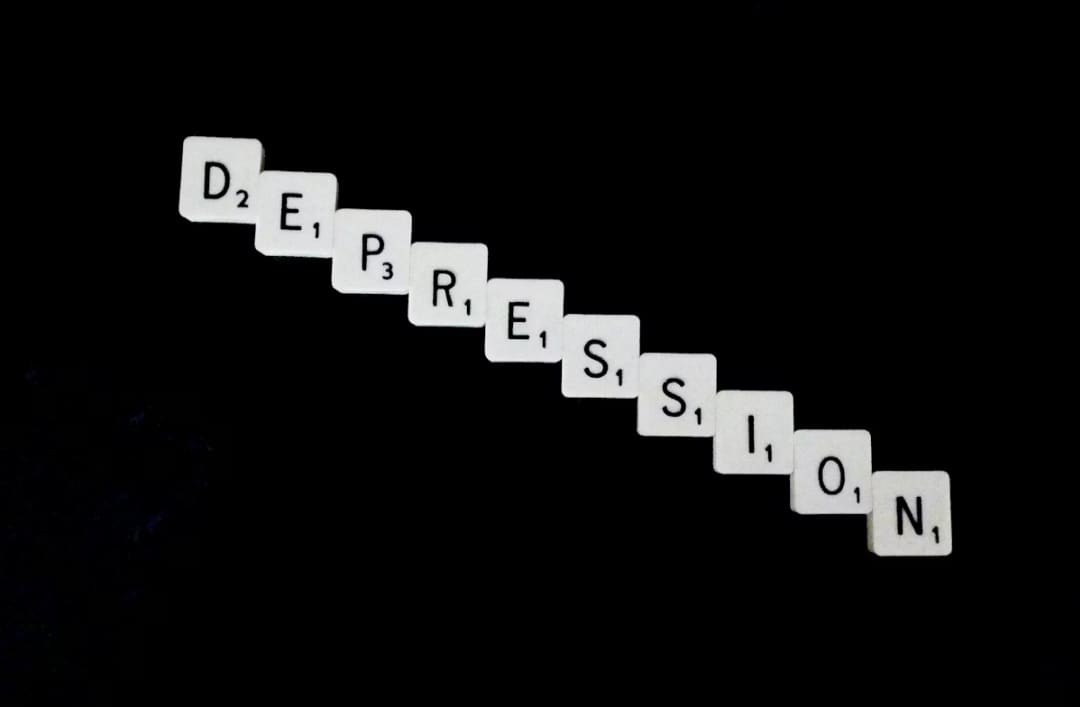
• Depression is more than feeling sad. It is a mood disorder that causes a persistent feeling of sadness, irritability, emptiness and loss of interest for most of the day, nearly every day, for at least two weeks. In 2019, 280 million people were living with depression, including 23 million children and adolescents [WHO].
• Symptoms vary in severity and include:
- Persistent sad, anxious, or "empty" mood.
- Loss of interest or pleasure in hobbies and activities.
- Significant changes in appetite or weight (not related to dieting).
- Sleeping too much or too little (insomnia).
- Decreased energy, fatigue, or feeling "slowed down."
- Feelings of worthlessness, excessive guilt, or helplessness.
- Difficulty concentrating, remembering, or making decisions.
- Restlessness or irritability.
- Recurrent thoughts of death or suicide.
3. Post-Traumatic Stress Disorder
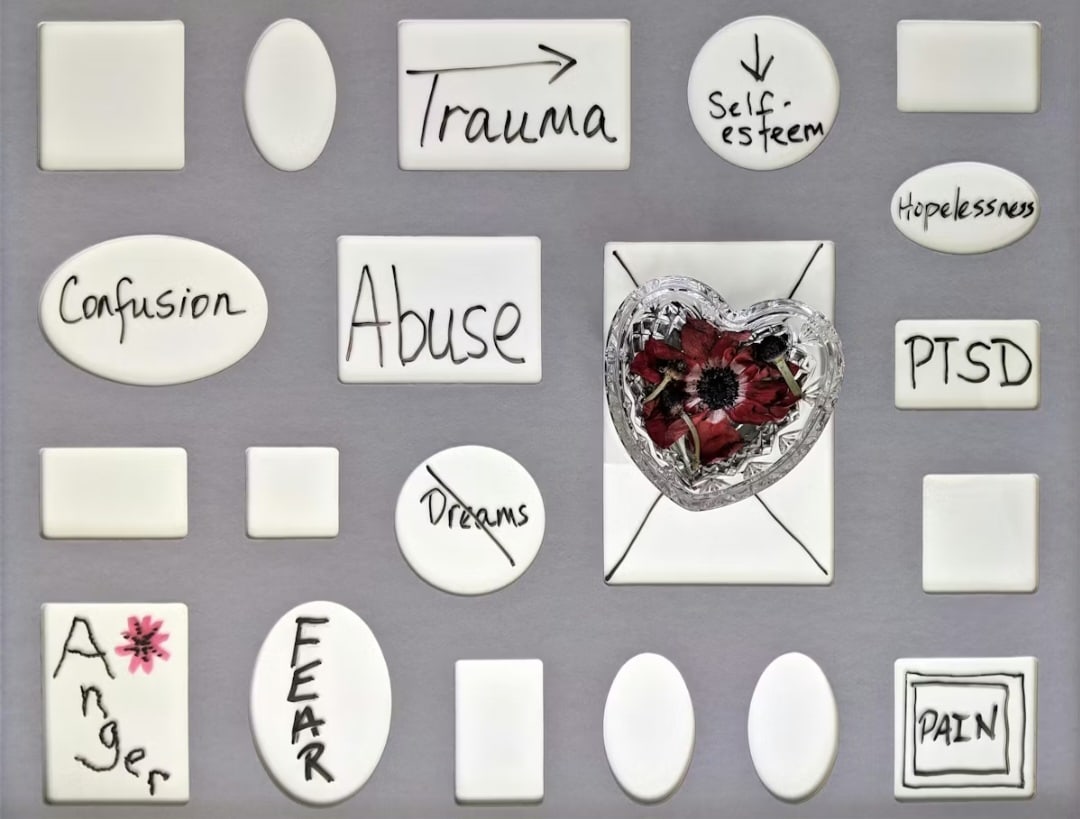
• This is a mental health condition triggered by experiencing or witnessing terrifying, life-threatening, or traumatic events like violence, accidents, or disasters.
• It is characterised by all of the following:
1. Re-experiencing the traumatic event or events in the present (intrusive memories, flashbacks, or nightmares);
2. Avoidance of thoughts and memories of the event(s), or avoidance of activities, situations, or people reminiscent of the event(s);
3. Persistent perceptions of heightened current threat. [WHO]
• PTSD affects various individuals differently. Some can have symptoms that last from 3 days to one month after a trauma, others can persist for more than 3 months while some appear six months or more after the event. It's important to be aware of these things so you can take better care of yourself and loved ones around you.
4. Eating Disorder
• An eating disorder (ED) is a mental disorder defined by abnormal eating behaviors that adversely affect a person's physical or mental health. These behaviors may include eating too much food or too little food, as well as body image issues. [Wikipedia]
• Types include:
- Binge Eating Disorder: People eat large amounts of food in a short time, even when they are not hungry. They often feel out of control while eating, which can lead to weight gain and emotional distress.
- Anorexia Nervosa: This involves an intense fear of gaining weight. People may eat very little, avoid food, or exercise too much in an attempt to control their weight.
- Bulimia Nervosa: Individuals eat large amounts of food (binging) and then try to get rid of it (purging) by vomiting, using laxatives, or exercising excessively to prevent weight gain.
- Pica: This disorder causes people to eat things that are not food, such as dirt, paper, or chalk, which can be harmful to their health.
- Rumination Syndrome: People with this condition repeatedly bring up food that has not been fully digested, chew it again, or spit it out.
- Avoidant/Restrictive Food Intake Disorder (ARFID): This involves eating very little or avoiding certain foods due to reasons like fear, sensory issues, or lack of interest in eating, rather than concerns about body weight.
- Other Specified Feeding or Eating Disorders (OSFED): This group includes eating problems that don’t fit exactly into one category but still cause serious health and emotional issues.
• Eating disorders can cause anxiety disorders, depression, substance abuse,arrhythmia, heart failure and other heart problems, gastrointestinal problems, low blood pressure (hypotension), organ failure and brain damage, severe dehydration and constipation, stopped menstrual cycles (amenorrhea), infertility and many others.
5. Neurodevelopmental Disorders
• These are a group of conditions originating in childhood that impair the development and function of the brain, affecting memory, learning, behavior, and emotion.
• They include disorders of intellectual development, autism spectrum disorder, and attention deficit hyperactivity disorder (ADHD) amongst others.
- ASD or autism spectrum disorder: A developmental disorder that impacts a person's behavior, social interactions, and communication. Individuals with ASD may have strong interests in particular subjects, struggle with social cues, or prefer routines.
- ADHD, or attention-deficit/hyperactivity disorder: This is a disorder characterized by persistent impulsivity, hyperactivity, and inattention. It may make it difficult to concentrate, remain motionless, or think things through before acting.
- Intellectual disabilities: This impairs one's capacity for thought as well as daily abilities like communication, problem-solving, and self-care. These difficulties start in childhood.
- Specific Learning Disorders: These are conditions that affect a person’s ability to learn certain academic skills, even when intelligence is average or above. These include:
1. Dyslexia – difficulty with reading and understanding written words.
2. Dyscalculia – difficulty with understanding numbers and math concepts.
3. Dysgraphia – difficulty with writing, spelling, and organizing thoughts on paper.
Effective treatment options exist for all these mental challenges and we advise you to seek professional medical advice, care and support if you are suffering from any of the above or if you know someone going through these challenges.
Healthy Ways to Support Mental Health
Taking care of your mental health does not require big changes. Small, consistent habits can make a huge difference.
1. Talk About Your Feelings
Sharing emotions with trusted friends, family, or professionals reduces emotional weight and builds connection. You don’t have to face everything alone.
2. Practice Mindfulness
Mindfulness helps you stay present instead of worrying about the past or future. Simple breathing exercises, meditation, or quiet reflection can calm the mind.
3. Maintain Healthy Routines
Regular sleep, balanced nutrition, and physical activity support brain function and emotional balance. Even a short daily walk can improve mood.
4. Set Boundaries
Learning to say no and protecting your energy is essential. Rest is not a weakness, it is a necessity.
5. Plan Things To Look Forward To
Making plans for things we enjoy can increase our sense of hope, which is important for our mental health.
6. Seek Professional Help
Therapists, counselors, and mental health professionals are trained to help. Seeking support is a sign of strength, not failure.
7. Daily Physical Activities
Engage in at least 30 minutes of daily activity, such as walking, running, or yoga.
8. Be Aware Of Abusing Drugs/Substances To Cope With Difficult Feelings

When should I seek professional help?
Seek professional help if you are experiencing severe or distressing symptoms that have lasted two weeks or more, such as:
• Changes in appetite
• Difficulty sleeping
• Loss of interest in things you usually find enjoyable
• Difficulty concentrating
• Feelings of irritability, frustration, or restlessness
Summary
Understanding your mind is one of the most powerful steps you can take toward a healthier, more meaningful life. Mental health deserves care, attention, and respect. By practicing self-awareness, building healthy habits, and reaching out for support when needed, you can strengthen your mental well-being and live with greater clarity and peace.
Remember: taking care of your mind is not optional. It's essential.
Photo credits
Thumbnail: Greg Rosenke
Depression: Nick Fewings
PTSD: Susan Wilkinson
Phone a friend: Dustin belt
End photo: Emily Underworld