The Science Behind Lenacapavir: How a Twice-Yearly Injection Can Prevent HIV With Near 100% Effectiveness
 Attah Oluchukwu Vivian
 The Science Behind Lenacapavir: How a Twice-Yearly Injection Can Prevent HIV With Near 100% Effectiveness
You wake up every single morning, and the first thought in your head isn't about your plans or your family. It's about a pill. Did I take it? Where did I put it? Can anyone see me taking it?
That's the daily reality for thousands of people across Nigeria using oral PrEP to prevent HIV. And honestly, life doesn't always cooperate. You rush out. The pharmacy runs dry. Someone asks questions you don't want to answer.
HIV prevention has always demanded perfect consistency in a world that makes consistency almost impossible. Lenacapavir is the first tool that finally stops demanding perfection.
Two injections a year. Six months of near-complete protection between each one. No daily routine. No pill to hide. No gaps when life gets chaotic.
This isn't some future dream. It works. It has real trial data. And it's already in Nigeria.
Why HIV Prevention Needed Something Completely Different
The Problem With Daily Pills
We already have tools that prevent HIV. Oral PrEP, the cabotegravir injection, and the Dapivirine ring. These things have saved millions of lives. So why are new infections still happening?
Because every one of these tools needs you to show up perfectly, every single day, without fail, daily pills need daily discipline. Daily discipline requires stable routines, a reliable supply, and the freedom to take your medication without judgment. In Nigeria, where HIV stigma can break families apart, that last part alone puts daily PrEP out of reach for too many people.
What Long-Acting Prevention Actually Means
Long-acting prevention takes the daily ask completely off your plate. You get one injection. You go home. For the next six months, the drug does its job while you live your life.
If you're juggling work, family, transport costs, and the social weight of HIV risk, removing that daily burden isn't a small upgrade. It changes what realistic, sustainable protection actually looks like.
What Is Lenacapavir?
Who Developed It and What Makes It First-in-Class?
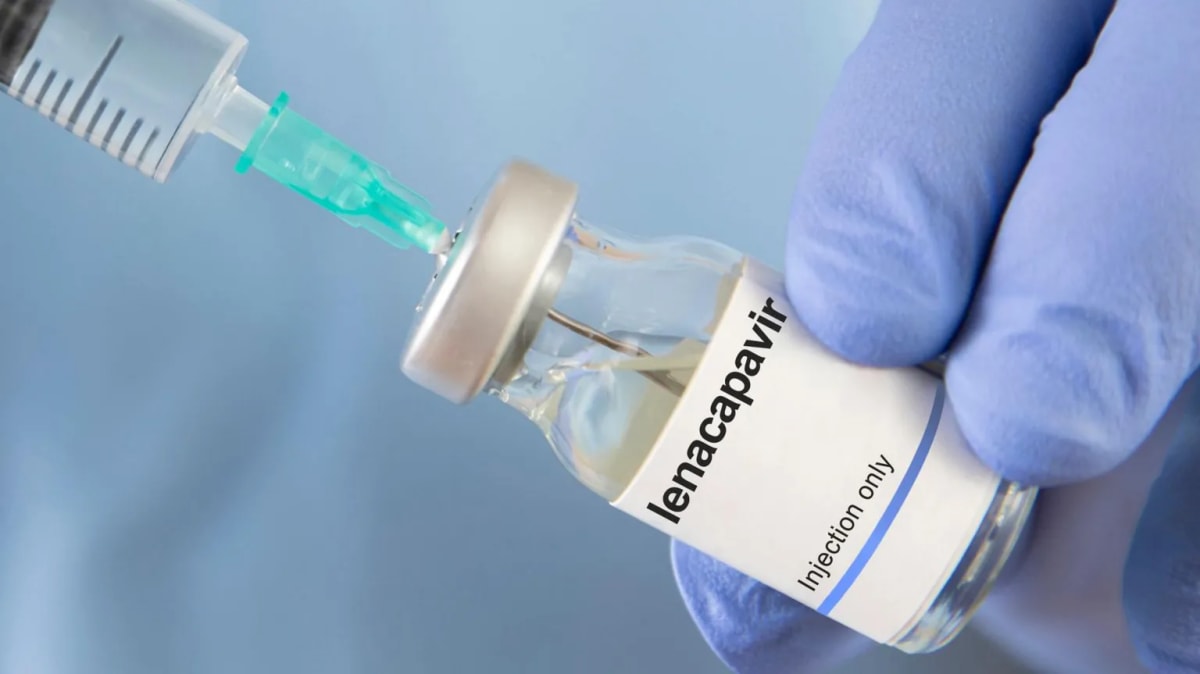
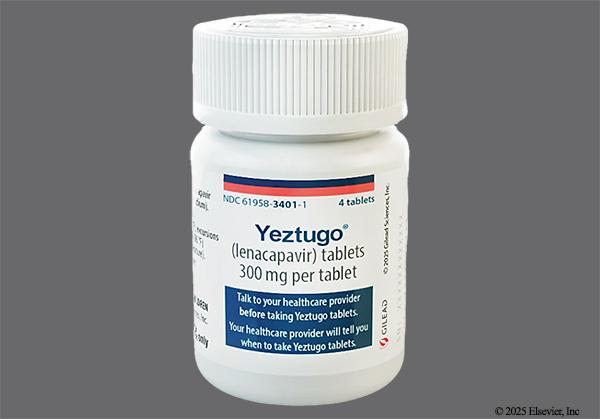
Lenacapavir was developed by Gilead Sciences. You might hear it called GS-6207, Sunlenca for treatment, or Yeztugo for prevention. Most people just say lenacapavir.
First-in-class means it works in a way no approved HIV drug has ever worked before. It belongs to a brand new category called capsid inhibitors. That category didn't even exist until lenacapavir came along and created it.
What Is a Capsid Inhibitor?
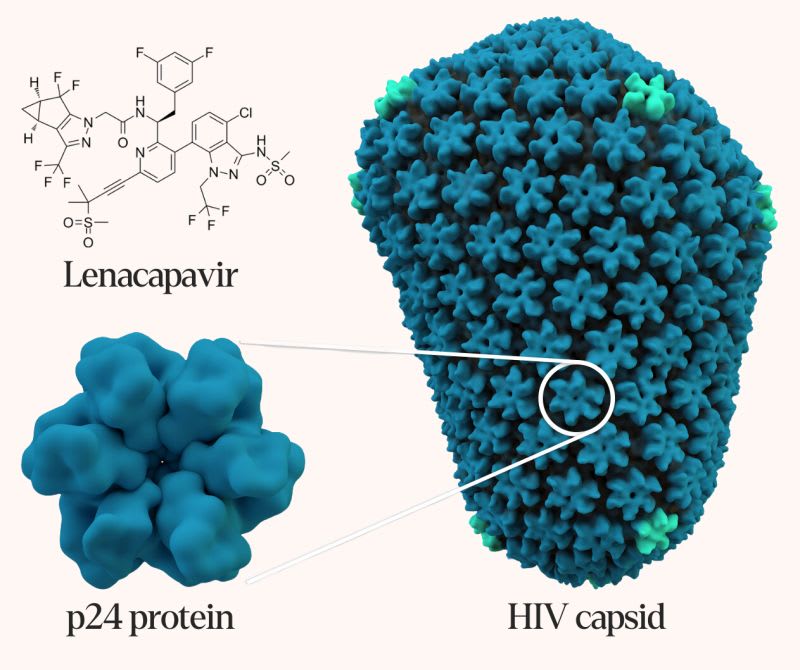
Think of HIV as a tiny machine. The capsid is its outer shell, built from over a thousand interlocking protein pieces arranged in tight groups. Lenacapavir wedges itself between those pieces and wrecks the assembly. Imagine pulling the load-bearing bolts out of a building. The whole structure loses integrity at once.
How Does Lenacapavir Work?
Understanding the HIV Capsid
The capsid doesn't just hold the virus together. It protects the virus while it travels inside your cells. It controls when the virus releases its genetic material. It coordinates the production of new copies after infection starts.
Damage the capsid, and you don't just slow the virus down. You send the entire infection process into failure.
How Lenacapavir Disrupts the Virus at Multiple Stages
Most HIV drugs target one step in the virus lifecycle. Lenacapavir hits three at once. It stops new virus particles from assembling properly. It blocks the capsid from navigating through the cell's internal pathways. And it prevents the virus from releasing its genetic instructions into the cell nucleus, where replication would begin.
Three disruptions from one drug. That's why the trial numbers shocked even the researchers.
Why Lenacapavir Resists Drug Resistance
HIV mutates constantly and eventually learns to dodge most medications. But lenacapavir targets a part of the capsid that stays nearly identical across many strains. The virus can't easily mutate around this target without destroying its own structure. That's why lenacapavir works even against strains that have beaten multiple other drugs.
Why Lenacapavir Lasts So Long in the Body
The Science of Slow Release
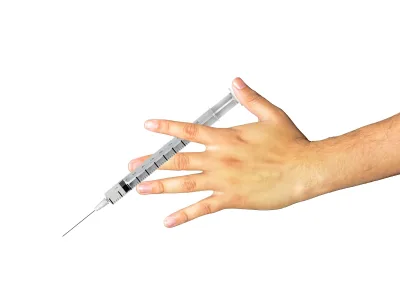
When injected beneath the skin of the abdomen, lenacapavir doesn't flood the bloodstream. It releases slowly, reaching peak levels between 77 and 84 hours after injection. Think slow drip irrigation versus dumping a bucket of water on dry ground. The bucket disappears instantly. The drip keeps things covered for days.
Why Six Months of Protection Is Possible From One Injection
The body takes 8 to 12 weeks to clear just half the dose. With clearance that slow, protective levels stay present for roughly 26 weeks from a single shot. Six months of coverage baked right into the science of one injection.
How Is Lenacapavir Taken?
The Starting Regimen
Before the maintenance cycle begins, there is a short initiation phase that establishes consistent drug levels. Two options exist.
Option 1: Day one combines the subcutaneous injection of 927 milligrams with two oral tablets of 300 milligrams each. Day two adds another oral 600 milligram dose.
Option 2: Oral doses of 600 milligrams on days one and two. An oral 300 milligram dose on day eight. The full subcutaneous injection of 927 milligrams on day fifteen.
For HIV prevention, a confirmed negative HIV test is required before every dose, including every maintenance injection.
The Maintenance Injection
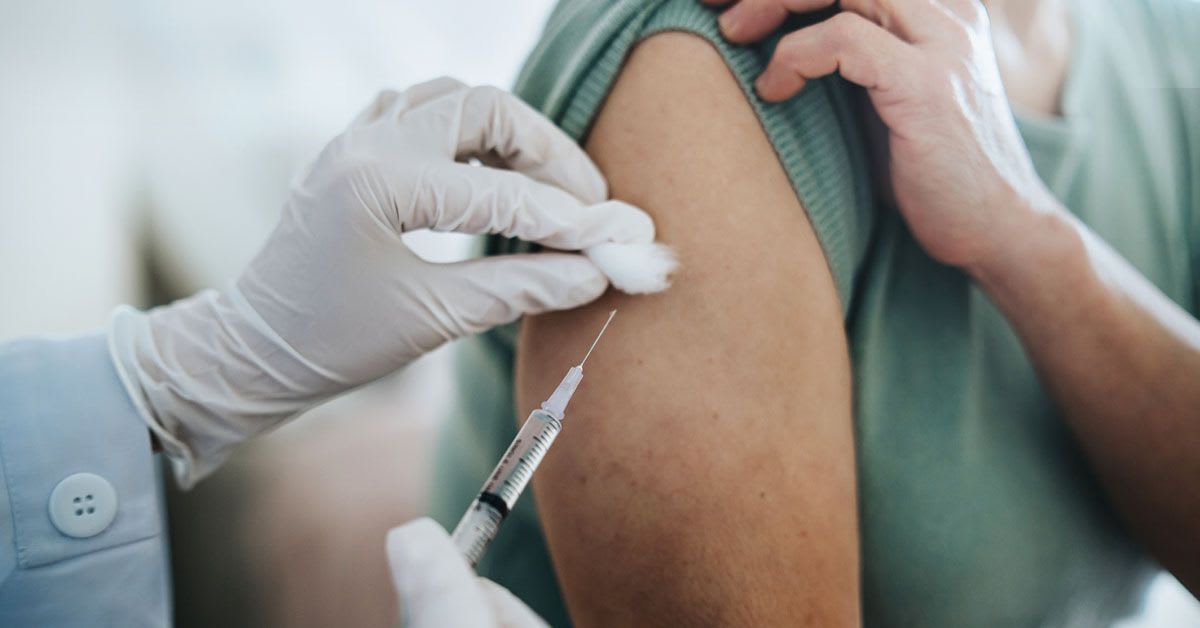
After initiation, the routine is simple. One subcutaneous injection of 927 milligrams every 26 weeks with a two-week flexibility window on either side. Two clinic visits per year. That's the entire prevention schedule.
The Oral Bridge for Missed Appointments
Sometimes returning for the six-month injection on time isn't possible. If the delay will stretch beyond 28 weeks from the last injection, weekly oral lenacapavir tablets of 300 milligrams serve as a bridge, maintaining protection for up to six months.
The maintenance injection resumes within seven days of the final bridging dose. If oral lenacapavir isn't available during that gap, switching to standard daily oral PrEP covers protection until injections restart. No unprotected window. No starting over from scratch.
Lenacapavir for HIV Prevention: What the Trial Results Show
What the PURPOSE Trials Found
The PURPOSE trials enrolled young women and adolescent girls across sub-Saharan Africa. The results were so strong that investigators actually stopped the trial early. Continuing to give participants less effective options when lenacapavir's superiority was already statistically clear felt ethically wrong.
Near 100% effectiveness. Among participants who received their scheduled injections, essentially no new HIV infections occurred during the entire trial period.
Why Near 100% Effectiveness Matters
The gap between daily PrEP's lab results and its real-world performance isn't a chemistry problem. It's a human behavior problem. Lenacapavir closes that gap by design. A twice-yearly injection can't be accidentally skipped or left behind during a rushed morning.
Lenacapavir for HIV Treatment: Beyond Prevention
Who Qualifies for Lenacapavir as Treatment?
Lenacapavir is also approved for people living with HIV whose virus has developed resistance to multiple other medications. It works alongside other antiretrovirals, never alone.
What the CAPELLA Trial Showed
CAPELLA enrolled patients for whom most treatments had already failed. At 52 weeks, up to 83% achieved viral suppression. That's a remarkable number for a population running out of options.
Lenacapavir Side Effects: What to Expect
Injection Site Reactions
The most common side effects are mild. Pain, swelling, redness, or small nodules at the injection site. These typically resolve within days without treatment.
Other Side Effects
Nausea, diarrhea, and headache show up occasionally. Serious side effects were uncommon and comparable to placebo groups across studies.
Lenacapavir Cost and Access in Africa
What It Costs in High-Income Countries
In the United States, lenacapavir costs between $28,000 and $42,000 per year. That price is really high in Africa.
How Subsidies Are Making It Affordable in Africa
Gilead Sciences, alongside the Gates Foundation, UNITAID, and generic manufacturers, has brought the cost for low and middle-income countries to roughly $40 per person per year. In Nigerian terms, about ₦58,000 annually. PEPFAR and the Global Fund are funding initial rollouts targeting 2 million people by 2028.
Lenacapavir Rollout Across African Countries
Zimbabwe, Kenya, South Africa, Eswatini, Zambia, Mozambique, Lesotho, and Uganda have all begun active rollout programs between late 2025 and early 2026.
When Will Lenacapavir Be Available in Nigeria?
Where Nigeria Currently Stands
Nigeria isn't waiting. As one of the highest HIV-burden countries in Africa, Nigeria was a priority in the global rollout, and lenacapavir is already moving into Nigerian healthcare systems.
What Nigerian Communities Can Do Right Now
If you're currently on daily oral PrEP, keep taking it consistently and ask your provider about transitioning. If you're at risk and not on anything, starting daily oral PrEP now gives you real protection while lenacapavir access expands. Regular HIV testing remains essential because a confirmed negative result is required before every lenacapavir dose.
Lenacapavir vs Daily PrEP: Which Is Better?
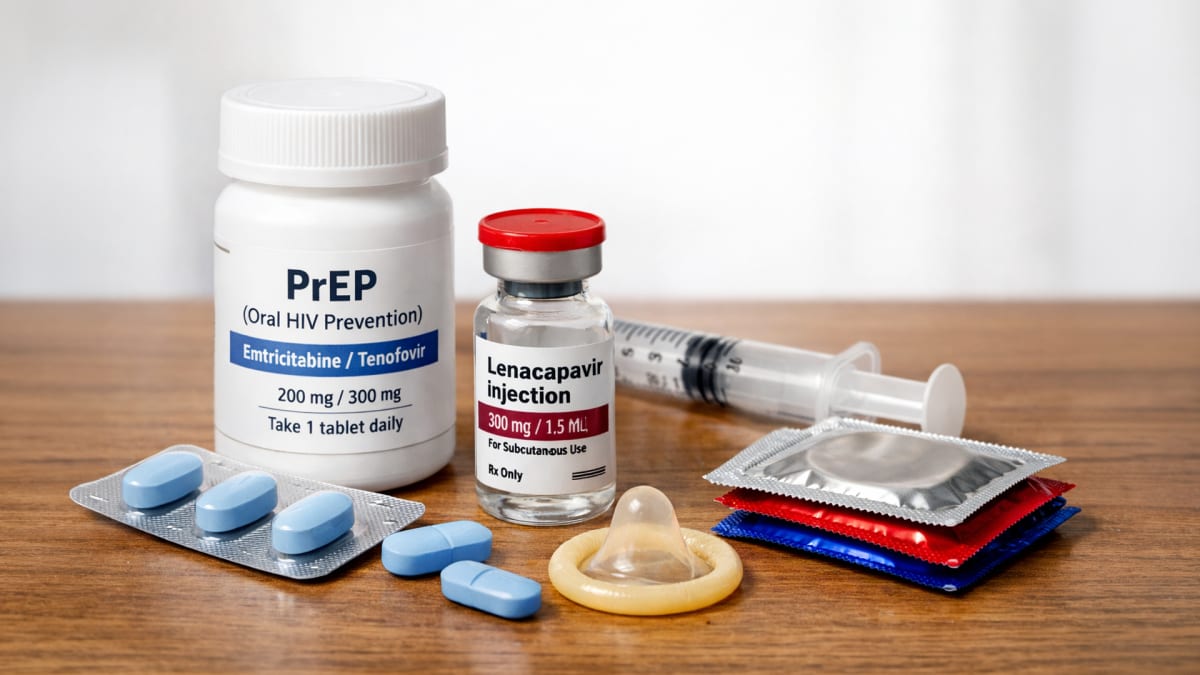
Both prevent HIV. In perfect conditions with perfect adherence, both perform similarly. But perfect conditions are rare. In real Nigerian life, lenacapavir holds its near 100% effectiveness because it removes human inconsistency from the equation entirely.
Conclusion
Two injections. Six months. Near 100% protection. Already in Nigeria. Show up twice a year. The drug handles the rest.