Medicine Explained: A Comprehensive Guide to Safe and Effective Use
 mark ogujiuba
 What Is Medicine? (Meaning and Importance in Healthcare)
What Is Medicine
Medicine is the practice and science of helping people be healthy — and caring for them when they’re not healthy. We explained what health is here.
In simple terms, medicine involves:
Preventing sickness or diseases (like vaccines, hygiene, healthy habits)
Diagnosing the sickness or diseases (figuring out what’s wrong)
Treating sickness, diseases or injuries (using drugs, therapy, or procedures)
Relieving pain and improving quality of life of a person.
Medicine can also mean the drugs (substance given as in practicing medicine) themselves—like tablets, syrups, or injections—that doctors prescribe to help your body heal or manage a condition.
This article focuses on drugs as an effective tool for delivering rational health care delivery (Medicine as a practice)
"All things are poison, and nothing is without poison; only the dose permits something not to be poisonous" (Paracelsus 1493-1541)
The Role of medicine in hospitals, clinics, and community pharmacies
Medicine (drug) plays an important role in how hospitals, clinics, and community pharmacies function — but the role looks a little different in each place. Here’s a clear, structured breakdown of it uses below:
The Role of Medicine in health institutions
1. Role of Medicine in Hospitals
Hospitals handle very serious, complex, and emergency cases, so medicine here is used for intensive care giving and recovery.
Key roles:
Diagnosis & treatment: Medicines are used to treat infections, chronic diseases, pain, cancer, and other severe conditions.
Emergency care: Life-saving drugs (e.g. IV fluids, antibiotics, insulin, adrenaline) are used immediately.
Surgery support: Medicines like anesthetics, antibiotics, and pain relievers support operations.
Monitoring & recovery: Drugs are needed to stabilize patients and aid healing after illness or surgery.
Specialized treatment: Use of advanced medicines is needed for ICU care, mental health, and long-term conditions.
Impact:
Medicine helps save lives, shorten hospital stays, and prevent complications.
2. Role of Medicine in Clinics
Clinics are designed to focus on outpatient care and early treatment.
Key roles:
Primary healthcare: Care for common illnesses like malaria, infections, hypertension, and diabetes.
Disease prevention: Vaccines and preventive medicines reduce or prevent disease spread.
Early diagnosis: Medicines are prescribed early to stop conditions from getting worse.
Chronic disease management: Long-term medicines help patients live normal lives even with underlining health conditions.
Health education: Patients are guided on proper medicine use and adherence for optimal use.
Impact: Medicine can reduce hospital admissions and support ongoing patient care.
3. Role of Medicine in Community Pharmacies
Community pharmacies are usually the most accessible healthcare point for the public.
Key roles:
Safe dispensing: Provision of prescribed medicines correctly and legally.
Patient counseling: Explain dosage, side effects, and proper use of drug.
Self-care support: Supply over-the-counter medicines for minor illnesses.
Medication management: Prevent drug misuse, interactions, and errors.
Public health role: Support immunization, family planning, and health awareness.
Referral: Direct patients to clinics or hospitals when needed or unavoidable.
Impact:
Medicine improves community health, promotes safe use of drugs, and reduces pressure on hospitals.
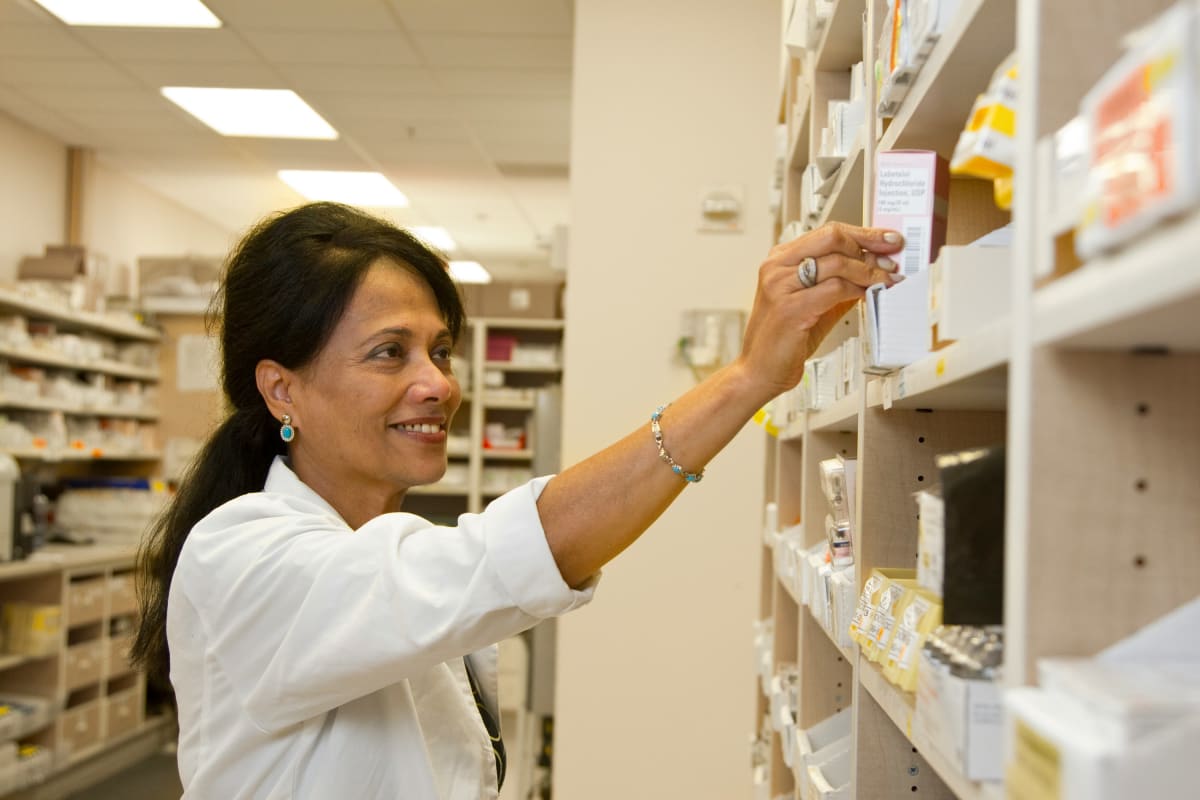
Modern medicine vs traditional remedies
Definitions
Modern Medicine:
Modern medicine presents a scientific system of healthcare based on research, clinical trials, and technology. It uses tested drugs, surgery, and advanced equipment to diagnose and treat diseases.
Traditional Remedies:
Traditional remedies present health practices passed down through generations, often using herbs, roots, spiritual practices, and cultural knowledge to treat illnesses.
Basis of Practice
Modern Medicine:
It is based on scientific evidence, laboratory testing, and standardized procedures.
Traditional Remedies:
It is based on cultural beliefs, experience, and ancestral knowledge, often without formal scientific testing.
Methods of Treatment
Modern Medicine:
It uses pharmaceutical drugs, surgery, radiation, vaccines, and medical devices.
Traditional Remedies:
It uses herbs, plant extracts, animal products, massage, spiritual healing, and rituals.
Effectiveness & Speed
Modern Medicine:
Acts quickly, especially in emergencies like infections, accidents, and surgeries.
Traditional Remedies:
Usually slower, aimed at gradual healing and long-term balance.
Safety & Regulation
Modern Medicine:
The practice is strictly regulated, with known dosages, side effects, and safety guidelines.
Traditional Remedies:
Often unregulated, with dosages that may vary and limited safety information.
Diagnosis
Modern Medicine:
Uses diagnostic tools such as blood tests, X-rays, scans, and laboratory analysis.
Traditional Remedies:
Relies on symptoms, observation, and spiritual interpretation.
7. Accessibility & Cost
Modern Medicine:
Can be expensive and less accessible in rural areas.
Traditional Remedies:
Often cheap, locally available, and easily accessible.
8. Side Effects
Modern Medicine:
Side effects are documented and managed through professional guidance.
Traditional Remedies:
chiefiest of the downsides it presents side effects that may be unknown and can be dangerous if misused.
9. Acceptance & Integration
Modern Medicine:
it is widely accepted worldwide and used in hospitals and clinics.
Traditional Remedies:
it is mostly used within local communities but increasingly being studied and integrated.
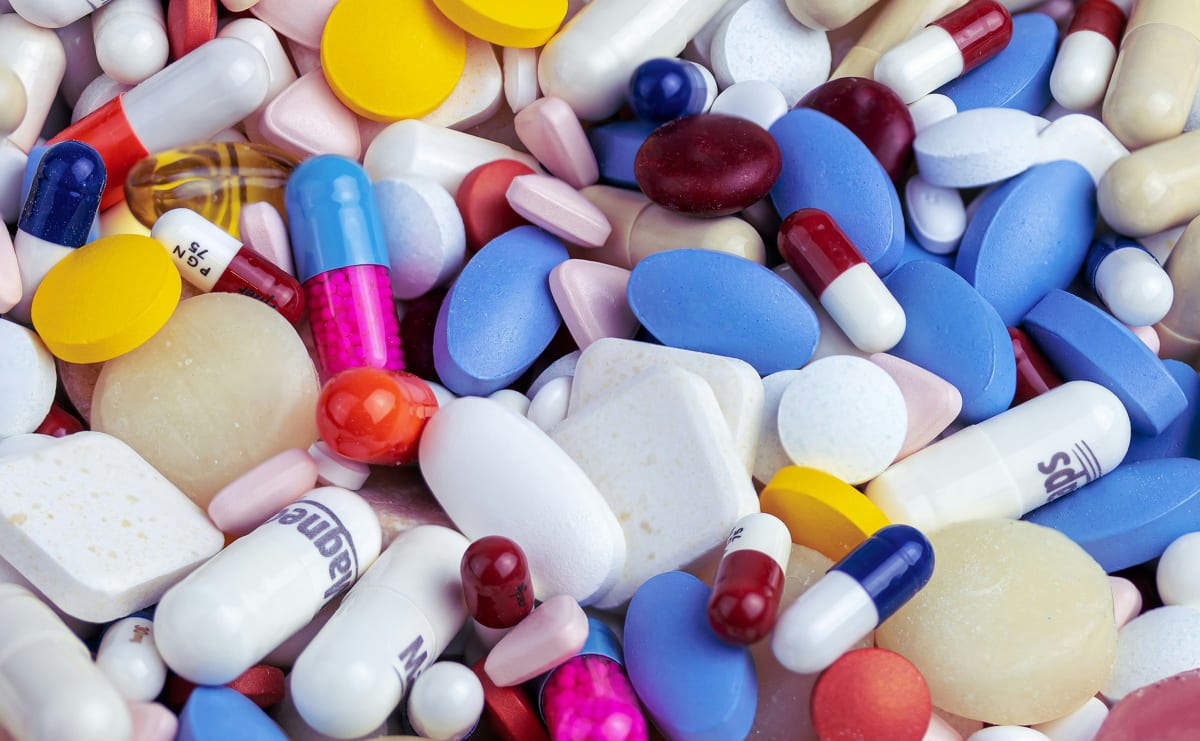
Common Types of Medicines
Modern medicine with regards to dispensation is widely divided into Prescription only medication (POM), over-the counter (OTC), Controlled Drugs, Biologics and Experimental Drugs.
While herbal and traditional medicines are sold in different forms, its dispensation is not well controlled and is prone to misuse and bad dosing.
Vaccines and preventive medicines are very important tools in modern healthcare formulated to protect people from infectious diseases before they occur. Vaccines stimulate the body's immune system to recognize and fight pathogens (viruses or bacteria), often providing long-term immunity against diseases.
How Medicines Work in the Body
Every medicine has a unique mechanism of actions. However, some have closely related mechanism of actions and treat the same condition hence they have a family name e.g. Paracetamol belongs to a family drugs called non-steroidal analgesics.
Why the same medicine may work differently for different people
Medicines often work differently in people due to a combination of genetic factors, environmental influences, and individual patient characteristics. Pharmacogenetics (genetic variations) affects how enzymes break down drugs, causing some people to metabolize them too slowly (toxicity) or too quickly (ineffectiveness). Other conditions include age, weight, diet, smoking, and co-existing conditions, which can all alter drug absorption and efficacy.
It is always important to consider the above variation even for the right drug for effective and right result as in medicine we consider special population differently, such population include Geriatrics and Pediatrics. Hence, the need to always speak to a specialist.
Idiosyncratic drug reactions (IDRs) are rare, unpredictable, and often severe adverse reactions not related to a drug known pharmacological action, frequently affecting the skin, liver, or blood. These reactions, sometimes called Type B reactions, are not dose-dependent and typically stem from unique patient susceptibility, often involving immune-mediated mechanisms or reactive metabolite formation.
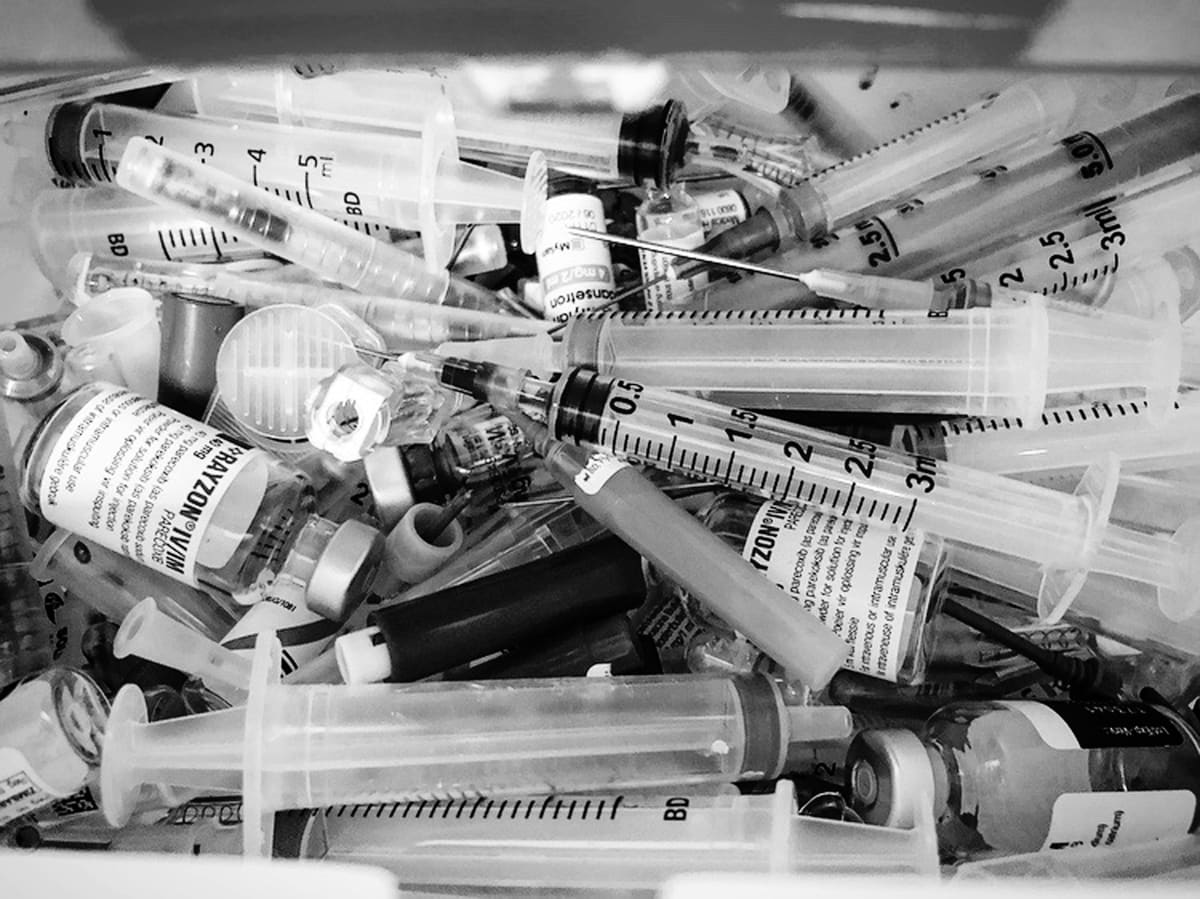
Common Forms of Medicine (Drug)
Tablets and capsules
Syrups and suspensions (especially for children)
Injections and drips used in clinics
Creams, ointments, inhalers, and eye drops
How to Take Medicines Correctly and Safely
Reading medicine labels and prescriptions
Importance of following doctor or pharmacist instructions
What to do if you miss a dose: If you miss a dose, don’t be disturbed, take it as soon as you remember, unless it is close to the next prescribed dose. If it is almost time for your next dose, skip the missed dose and resume your regular prescription. Never take a double dose to make up for a missed one, as this can be very dangerous.
Avoiding shared or leftover medicines
Side Effects of Medicines
Common side effects patients experience
Serious warning signs to watch out for
When to return to the hospital or pharmacy
Self-Medication: Risks and Common Mistakes
Self-medication is the selection and use of medicines, herbs, or home remedies by a patient to treat self-recognized illnesses, diseases or symptoms without consulting a health specialist. It involves using over the counter (OTC) drugs, leftover prescriptions, or substances to manage ailments, often to avoid a medical specialist consultation.
Why is self-medication common?
1. Easy Access to Medicines
Many drugs can be bought without a prescription, especially from community pharmacies and patent medicine vendors. This makes patients treat themselves instead of seeing a specialist.
2. Cost of Healthcare
Hospital visits, laboratory tests, and consultation fees can be expensive, so patients choose self-medication as a cheaper option.
3. Long Waiting Time in Hospitals
Overcrowded hospitals and long queues discourage patients, leading patients to treat familiar symptoms on their own.
4. Previous Experience
People often reuse drugs that worked for them before, assuming the same symptoms mean the same illness which may be always correct.
5. Lack of Health Awareness
Some individuals do not understand the risks of incorrect drug use, such as wrong dosage or drug interactions that even common drugs present.
6. Influence of Friends and Family
Advice from friends, relatives, or neighbors encourages people to take medicine without specialist guidance.
7. Advertisements and Media
Drug adverts and online information can create false confidence, making people believe they can diagnose and treat themselves.
8. Poor Access to Healthcare Services
In rural or underserved areas, clinics and hospitals may be far away or understaffed, leaving self-medication as the only option for patients to take, but it is not a good option.
9. Fear or Stigma
Some people avoid hospitals due to fear of diagnosis, injections, or stigma associated with certain diseases.
10. Minor Illnesses
For common conditions like headaches, colds, or stomach pain, people feel professional care is unnecessary.
When Self-Medication Becomes Dangerous
1. Using Strong or Prescription-Only Medicines Without a Doctor
When taking Antibiotics, blood pressure drugs, diabetes medicine, steroids and any other prescription drug
Taking these without supervision can cause resistance, side effects, or worsened illness
Example: Stopping antibiotics too early can make bacteria stronger.
2. Treating Serious Symptoms Without Knowing the Cause
Fever, persistent cough, stomach pain, or jaundice can cause serious diseases.
Guessing and taking random drugs can mask symptoms and delay proper diagnosis.
Example: Taking malaria drugs for any fever without testing may hide typhoid or COVID-19.
3. Mixing Drugs Without Knowing Interactions
Some medicines don’t mix well — like alcohol + metronidazole, or multiple antibiotics.
Can lead to serious side effects, liver/kidney damage, or even life-threatening reactions.
4. Using Wrong Dosage or Duration
Taking too little may not treat the illness.
Taking too much can cause poisoning or organ damage.
Example: Overdosing paracetamol can seriously damage the liver.
5. Using Medicine for the Wrong Condition
Some people take painkillers for infections or malaria drugs for viral illnesses.
This can worsen the actual illness or create drug resistance.
6. Using Expired or Contaminated Medicines
Old or improperly stored drugs may lose effectiveness or become harmful.
Example: Liquid medicines left in heat for weeks can spoil.
Proper Storage of Medicines in Hot and Humid Climates such as Africa
Medicines are delicate. Heat, humidity, and sunlight can reduce their effectiveness or even make them unsafe. Here’s how to store them correctly in hot and humid environments:
1. Keep Medicines in a Cool, Dry Place
Avoid storing drugs in the kitchen, bathroom, or near windows, where heat and moisture are high.
Best spots: cupboards in a cool, shaded area or a dedicated medicine box.
Ideal temperature: below 25°C (77°F) for most tablets and syrups.
2. Avoid Direct Sunlight
Sunlight can degrade drugs quickly.
Keep blister packs or bottles in dark cupboards or opaque containers.
E.g.: Paracetamol or antibiotics exposed to the sun can lose potency.
3. Protect Liquid Medicines from Moisture
Syrups, suspensions, and insulin are especially sensitive to humidity.
Keep them properly closed, and avoid storing in the bathroom, where steam is common.
4. Don’t Refrigerate Unless Specified
Some drugs (like insulin or certain vaccines) need refrigeration.
Most tablets, capsules, and syrups should NOT be stored in the fridge — it can cause condensation and spoil them.
Always check the label for storage instructions.
5. Separate Medicines from Food and Chemicals
Drugs should not be stored near cleaning agents, perfumes, or food, as chemical fumes and moisture can affect them.
6. Keep Medicines Out of Children’s Reach
Store drugs in a locked cupboard or high shelf.
Accidental ingestion can be life-threatening, especially with painkillers, antibiotics, and supplements. If these happen quickly, contact the closest health facility.
7. Check Expiry Dates Regularly
Heat and humidity can accelerate medicine expiration.
Discard expired or discolored medicines.
Example: Syrups that become cloudy or tablets that crumble should be thrown away.
8. Special Tips for Travel in Hot Climates
Carry drugs in insulated bags if traveling in hot weather.
Avoid leaving medicines in cars under the sun.
Role of Pharmacists, Doctors, and Patent Medicine Vendors (PMVs)
Access to medicine in Nigeria isn’t just about buying drugs — it’s about guidance, safety, and proper treatment. Here’s who does what:
1. Doctors: The Primary Diagnosticians
Role: Doctors are trained to diagnose illnesses, prescribe appropriate treatment, and monitor progress.
When to see a doctor:
Whenever you feel unusual.
Why it matters: Correct diagnosis ensures you get the right medicine at the right dose and the right time.
Example: A doctor can confirm if your fever is malaria, typhoid, or another infection, then prescribe the correct drug.
2. Pharmacists: Medicine Experts and Advisors
Role: Pharmacists are trained to dispense medicines safely, counsel patients, and prevent dangerous drug interactions.
Services they provide:
Explaining how and when to take medicines
Checking for side effects and interactions
Advising on over-the-counter drugs for mild illnesses
Ensure you take the right drug for the right illness, at the right time, through the route at the right dose with the right understanding and respecting the patient's right to refuse.
Key tip: Always consult a pharmacist if unsure about dosage, side effects, or herbal interactions.
Example: A pharmacist can advise whether it’s safe to take paracetamol with an herbal remedy, or the right syrup for a child’s cough.
3. Patent Medicine Vendors (PMVs): Community-Level Access
Role: PMVs are licensed to sell certain over-the-counter medicines in Nigeria, especially in rural or underserved areas.
Services they provide:
Selling basic drugs like paracetamol, ORS, painkillers, and some antimalarials
Offering first-aid supplies and advice for minor ailments
Limitations:
PMVs are not trained to diagnose illnesses
Cannot prescribe antibiotics, strong painkillers, or chronic disease medications
Key tip: Use PMVs for minor illnesses or initial guidance but see a doctor or pharmacist for serious conditions.
4. How They Work Together
Doctor diagnoses → Pharmacist dispenses & advises → PMV provides basic access locally
Understanding these roles helps avoid misuse of medicines, self-medication risks, and drug resistance.
5. Quick Tips for Nigerian Patients
Always follow your doctor’s prescription
Ask your pharmacist if you have questions
Use PMVs responsibly for getting OTCs
Report side effects or unusual reactions to a pharmacist or doctor immediately
Common Medicine Myths
“Injection works faster than tablets”
“Herbal medicine has no side effects”
“More tablets mean faster healing”
Those and more should be subject to proper medical advice.
When to Seek Medical Help Immediately
Warning signs that need urgent care
Allergic reactions and severe side effects
Reporting adverse drug reactions in Nigeria
Final Thoughts: Using Medicine Wisely for Better Health
Encouraging Informed Medicine Use
Why it matters: Many patients self-medicate or take advice from friends and family. This can lead to wrong drug choices, incorrect doses, and side effects.
Actionable steps for patients:
Read medicine labels carefully: Dosage, frequency, storage instructions, and expiry date
Ask questions: Don’t be afraid to ask your doctor, pharmacist, or PMV if you don’t understand something
Verify sources: Only buy medicines from licensed pharmacies or PMVs
Outcome: Being informed helps medicines work effectively, speeds recovery, and reduces the risk of complications.
Example: Before taking a malaria drug, know the correct dosage, duration, and any food or alcohol restrictions.
Importance of Professional Guidance
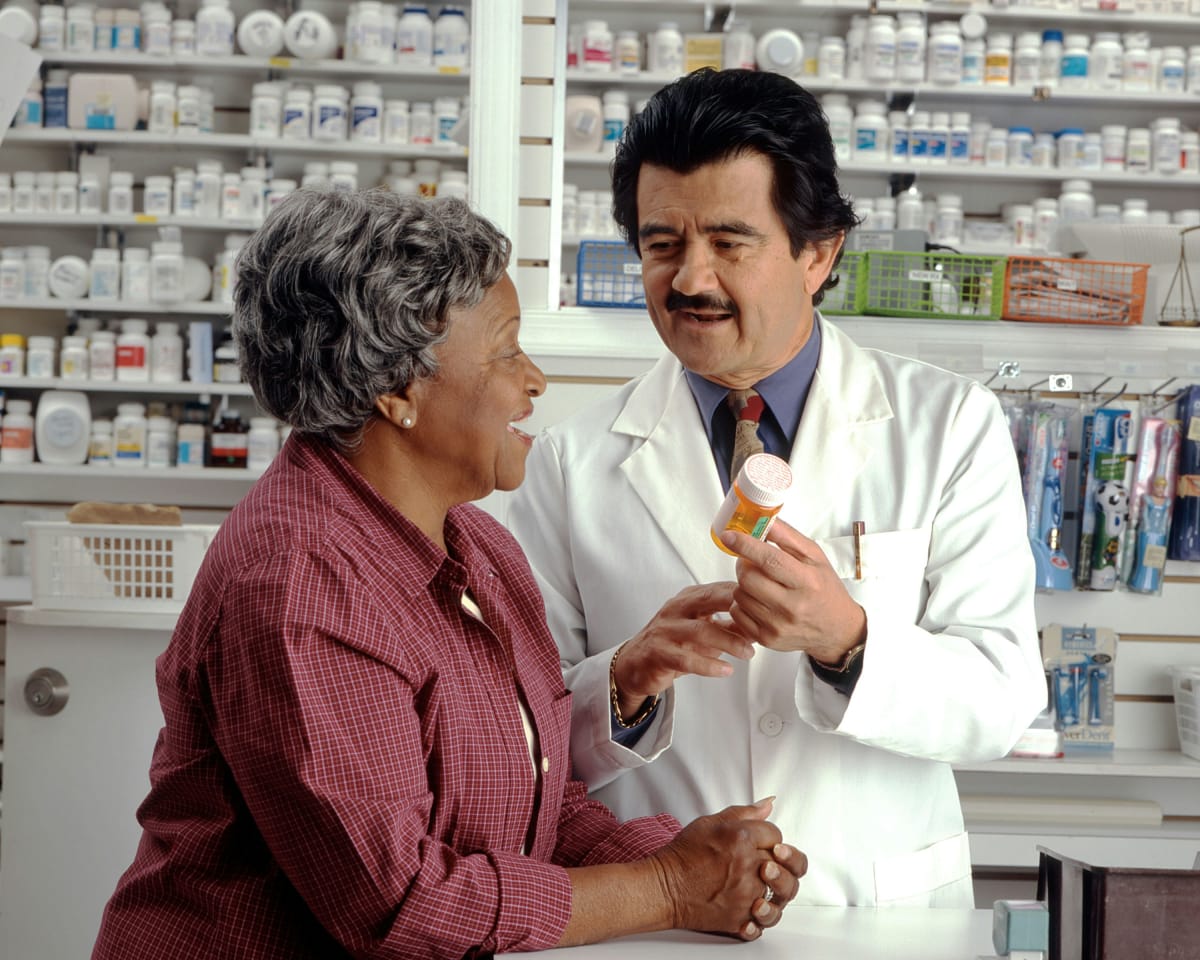
Doctors and pharmacists are your safety net: They have the training and knowledge to prevent harmful mistakes. There is a lot that this article does not cover but is relevant for your knowledge so always speak to your clinician, something minor sign can signify far deeper conditions.
When to consult:
Persistent or severe symptoms (fever, cough, abdominal pain)
Chronic illnesses (diabetes, hypertension)
Allergic reactions or unusual side effects
Why it’s critical in Africa/Nigeria:
High prevalence of counterfeit or substandard medicines
Widespread self-medication and herbal drug use
Risk of misdiagnosing common infections like malaria and typhoid as they can have very close/similar symptoms
Practical tip: Bring a list of all medicines you are currently using to your doctor or pharmacist to prevent interactions.
Patient Empowerment and Responsibility
Being an active participant in your health is essential:
Track your symptoms and medicines
Follow prescriptions accurately
Report side effects promptly
Know your rights: Patients can ask questions, refuse unsafe treatments, and seek second opinions
Responsibility:
Don’t share your medicine with others
Don’t use leftover medicines for new illnesses
Store medicines safely to prevent accidental ingestion or spoilage
Outcome: Empowered patients make better health decisions, avoid unnecessary risks, and help reduce public health issues like antibiotic resistance.
Example: Keeping a small notebook with all your medicines, doses, and side effects helps you manage chronic conditions safely.
💡 Final Takeaway for Patients:
Medicine works best when patients are informed, guided, and responsible. Combining knowledge, professional advice, and careful practices ensures safer, faster, and more effective treatment — protecting your health and your family’s well-being.