10 Everyday Nigerian Foods That May Help Control Blood Sugar Naturally
 Attah Oluchukwu Vivian
 10 Everyday Nigerian Foods That May Help Control Blood Sugar Naturally
Your aunt just got diagnosed with diabetes. Your uncle has been taking medication for years. Your mum keeps complaining about her leg, how tired she feels all the time, and somehow she is always thirsty.
Sound familiar?
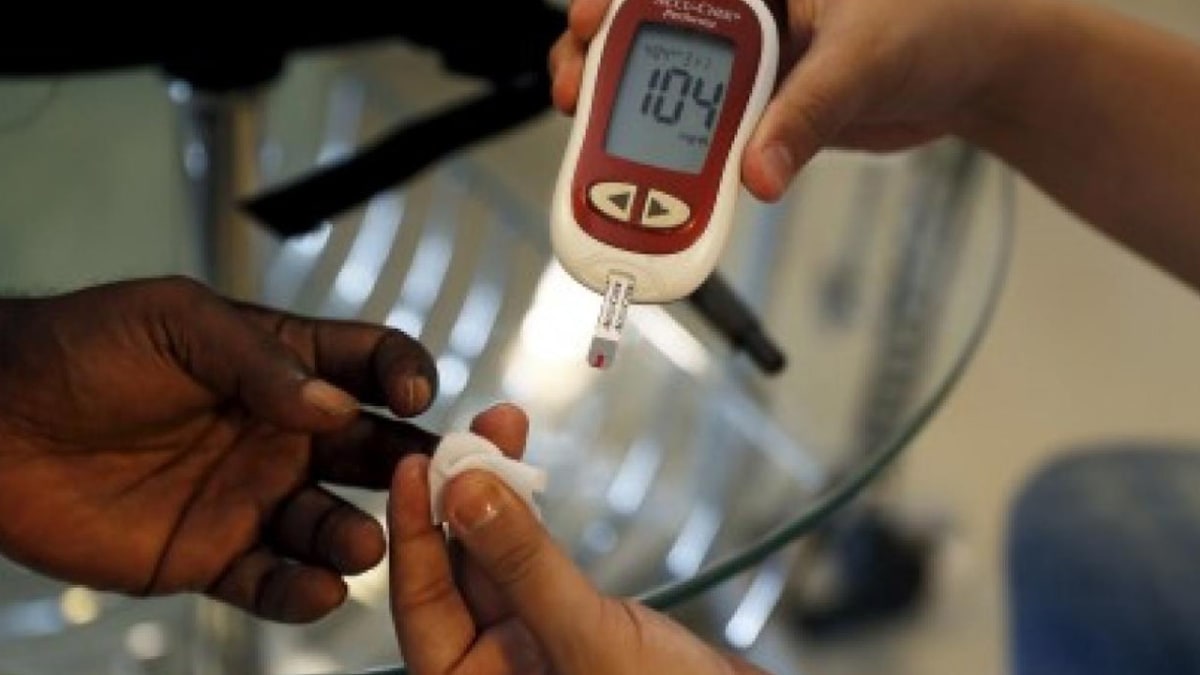
Diabetes is not rare in Nigeria anymore. It is showing up in our homes, our families, and in people who never thought it would happen to them.
But here’s what most people don’t hear after that diagnosis. Some of the best foods for helping with blood sugar are not fancy imported products or expensive supplements. They are regular foods already in your kitchen, your local market, and the meals Nigerians have been eating for generations.
Why Food Is One of the Most Powerful Tools for Blood Sugar Control
How Blood Sugar Works in Simple Terms
Whenever you eat, your body turns part of that food into sugar called glucose. That sugar enters your bloodstream, and insulin helps move it into your cells to give you energy.
The problem starts when too much sugar hits your blood too fast. Your body struggles to keep up, blood sugar keeps rising, and your pancreas has to work extra hard all the time. After years of that stress, the risk of type 2 diabetes goes way up.
Why Diet Matters More Than Most People Realize
The right foods help slow things down. They stop sugar from hitting your blood too fast, help your body use insulin better, and make blood sugar easier to manage over time.
The wrong foods do the opposite. Too much white rice, sugary drinks, processed snacks, and refined carbs can send your blood sugar shooting up again and again. And those little everyday habits? They add up faster than people realize.
The good news is that you actually have a lot more control over this than you think.
11 Everyday Nigerian Foods That May Help Control Blood Sugar Naturally
1. Cinnamon
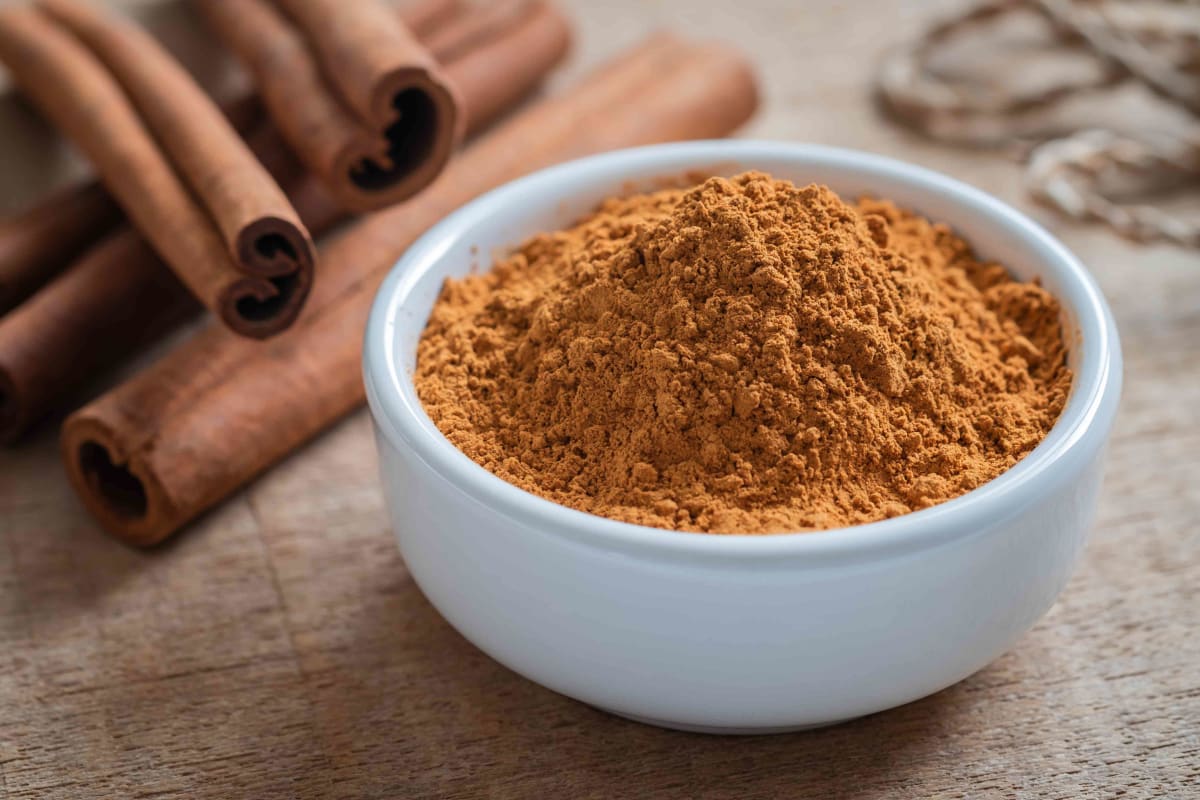
Cinnamon is actually one of the most talked-about foods when it comes to blood sugar control. Research suggests it may help the body respond to insulin better and help keep blood sugar levels more stable over time. The active compound, cinnamaldehyde, seems to help your cells respond to insulin better.
And the best part? You do not need plenty of it. Just a little sprinkled into your pap, oats, tea, or even warm water can go a long way. It is cheap, easy to find, and probably one of the simplest things anybody can start adding to their routine
2. Bitter Leaf
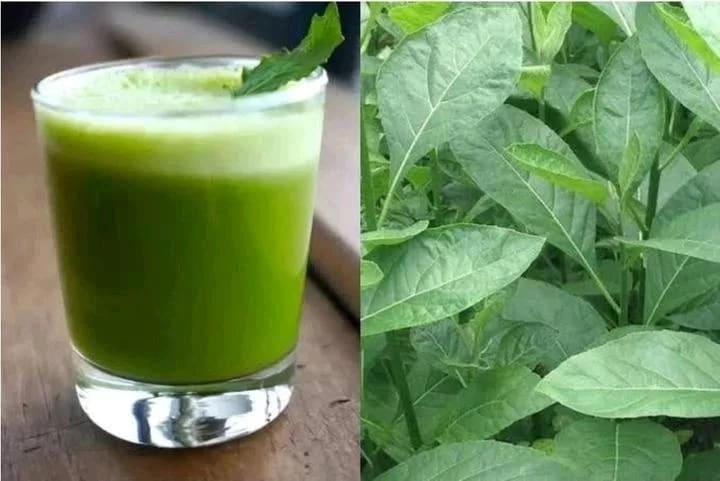
Bitter leaf, onugbu in Igbo and ewuro in Yoruba, has been used in traditional medicine for generations. Research suggests its compounds may lower fasting blood glucose and improve how your body handles sugar. It is at its strongest fresh, not dried. So if you already make bitter leaf soup every week, you are already getting the benefit.
3. Unripe Plantain
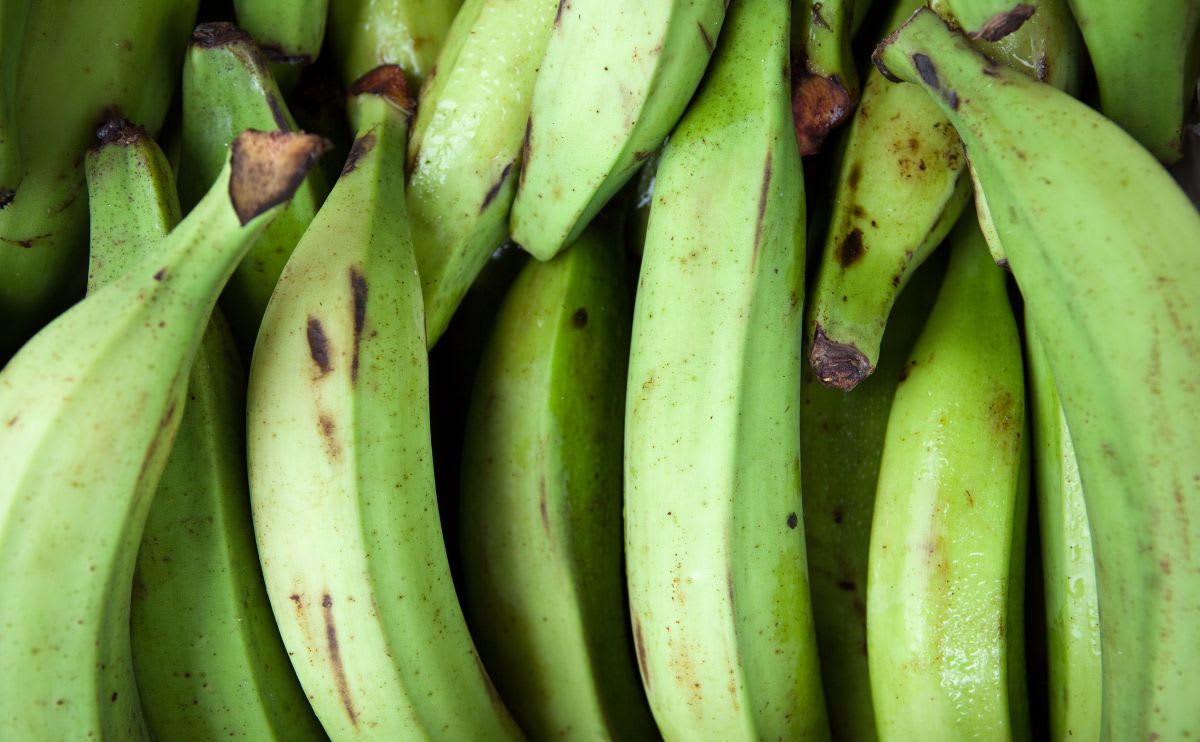
Here is something most Nigerians don't know. Ripe and unripe plantain are two very different foods. Ripe plantain is sweet and full of simple sugars that your body soaks up fast. Unripe plantain is rich in resistant starch, a carb your body digests very slowly, so glucose drips in gradually instead of crashing in as a spike.
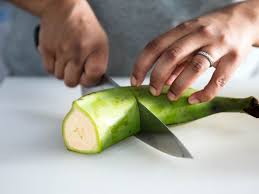
Boiled unripe plantain, roasted boli before it ripens, or plantain flour are all genuinely blood sugar-friendly, and most families already have them within reach.
4. Okra
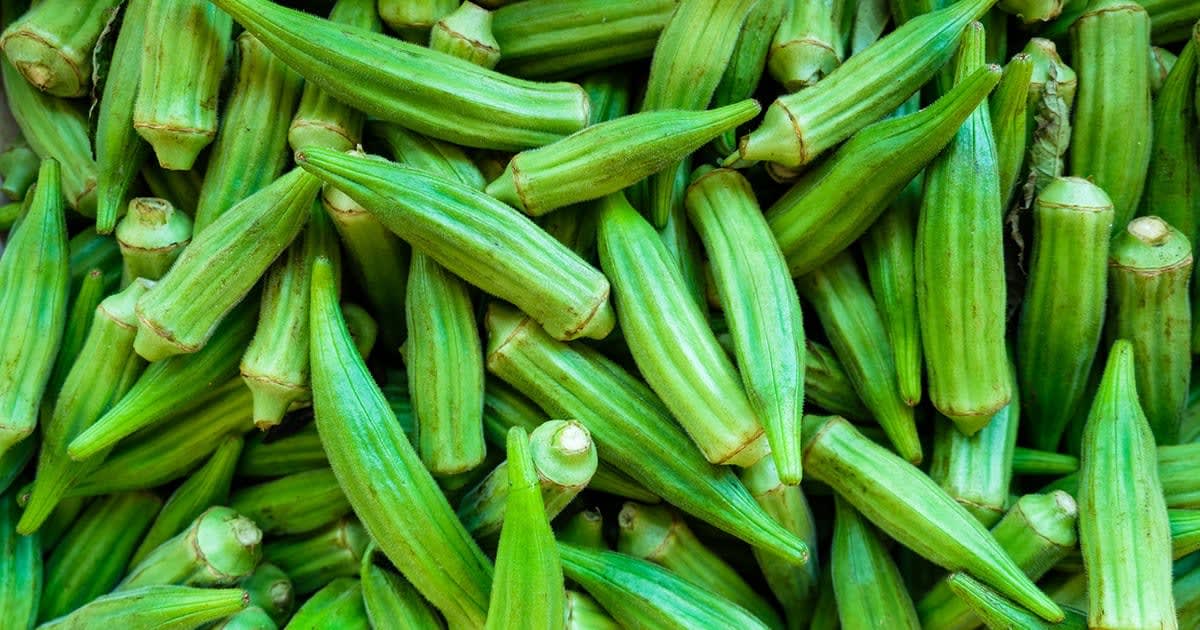
Okra carries a compound called mucilage, the sticky stuff that gives the soup its draw. That same compound forms a gel in your gut that physically slows glucose down after you eat. Rich in soluble fiber and antioxidants, okra is already popular in Nigeria, and it earns its spot here easily. Some people slice okra, soak it overnight, and drink the water in the morning. The evidence on okra water is still developing, but the fiber alone makes fresh okra a strong pick.
5. Osu Fruit (Abere)
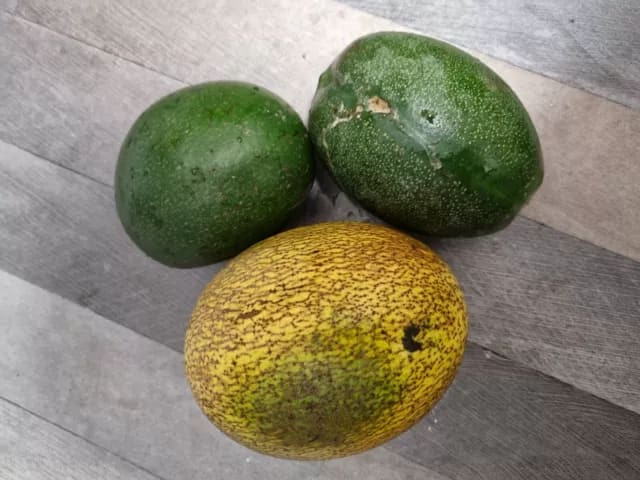
This one is for people looking for something a bit more serious. Osu fruit, also called Hunteria umbellata, is known in different places as erin or abere in Yoruba, and nkpokiri in Igbo. Some people even call it the “insulin fruit.”
It grows in West and Central Africa and has a small yellow-orange fruit with a jelly-like inside filled with seeds. The seeds are the important part. Both traditional use and some early research suggest they may help lower blood sugar levels.
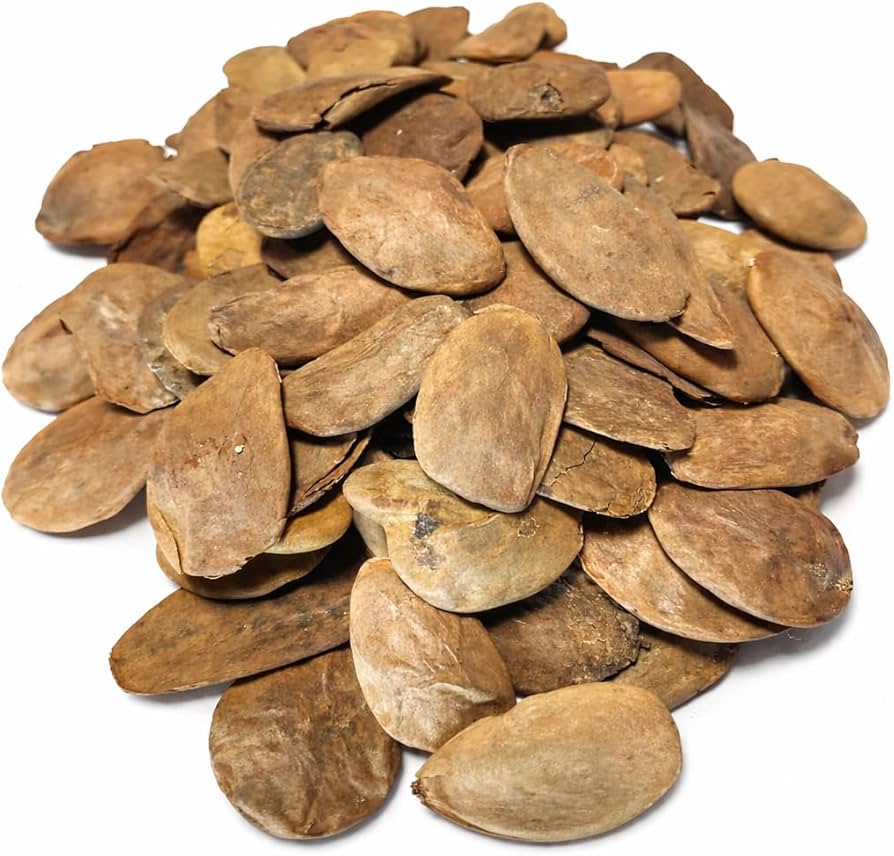
But it’s important to be careful. It can be strong, and in some cases, it may drop blood sugar too low. It’s not something for people without blood sugar problems, and it shouldn’t be used carelessly or in large amounts. If someone is using it, it should be in moderation, with blood sugar monitored, and ideally discussed with a doctor first, especially if they are already on medication like metformin.
6. Bitter Kola
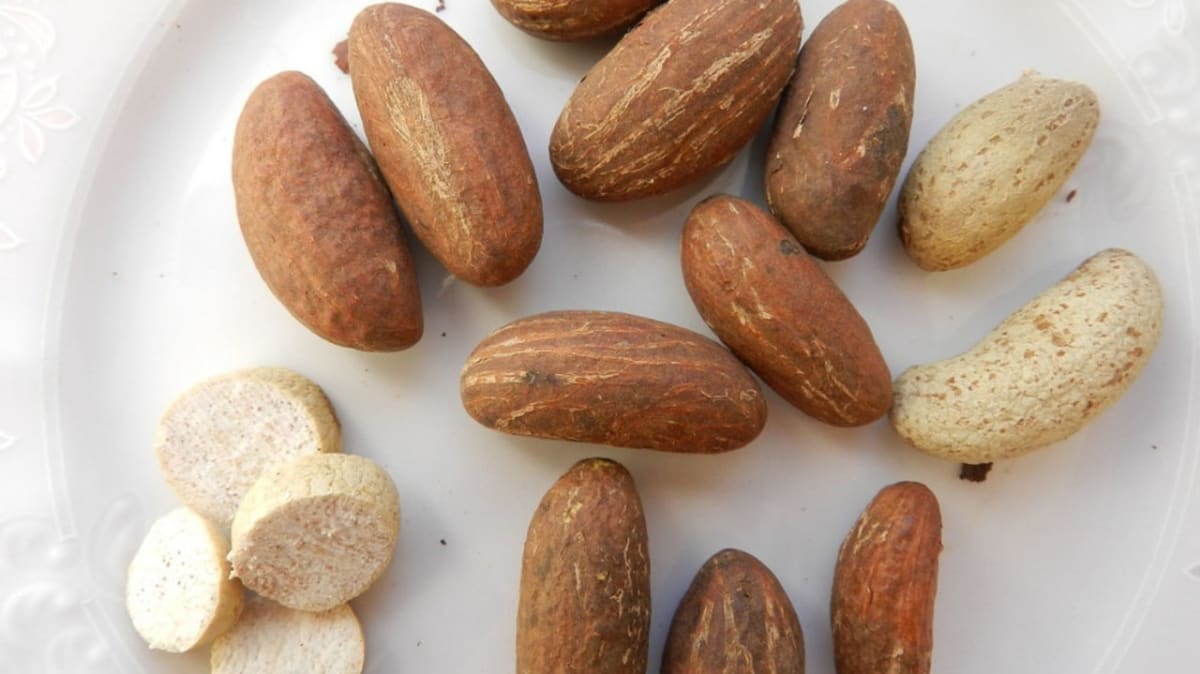
Bitter kola has a compound called kolaviron, and some West African studies suggest it may help with blood sugar control. It’s quite strong, so you don’t want to overdo it.
Traditionally, people just chew one or two pieces at a time.
It’s not a substitute for medication, but its long history of use for metabolic health is starting to line up with what researchers are now looking into.
7. Garden Egg
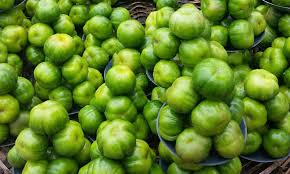
Garden egg, or African eggplant, is low in calories and high in fiber. It also has an antioxidant called chlorogenic acid, which studies link to better insulin response.
It’s honestly one of the most underrated foods in Nigerian meals. You can eat it raw with groundnut or cook it in stews, and it still keeps most of its benefits.
8. Ugu Leaves
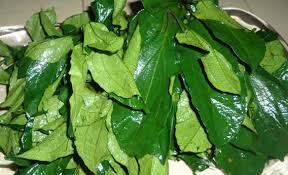
Ugu, the fluted pumpkin leaf, is already in a lot of Nigerian soups, and it deserves more attention. It’s rich in fiber, magnesium, and antioxidants.
Magnesium is especially important because it helps insulin work properly, and low levels have been linked to a higher risk of type 2 diabetes.
The easiest part? Just adding more ugu to the soups you already cook. Small change, big benefit.
9. Garlic
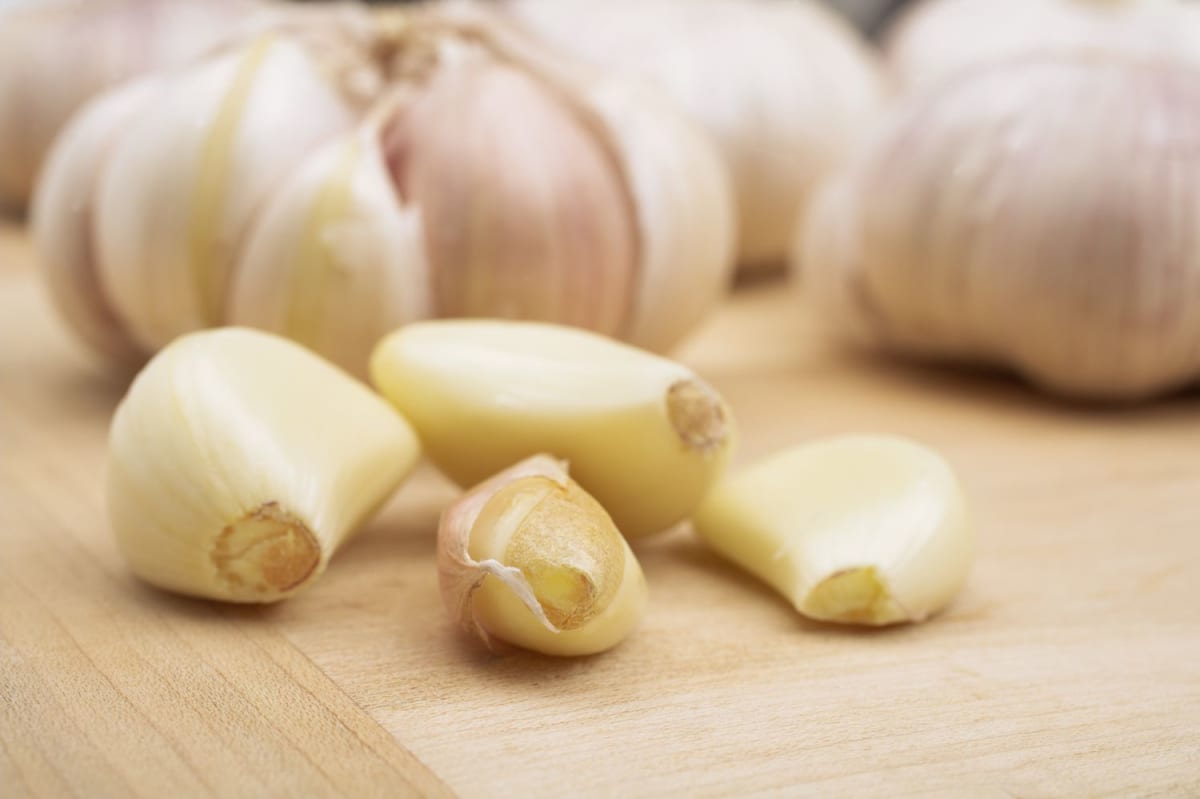
Fresh garlic contains compounds like allicin, which research suggests may help improve insulin sensitivity and lower fasting blood sugar.
The good thing is, it’s already used in a lot of Nigerian cooking, so you’re probably getting some of it without even thinking about it.
Just try to use fresh garlic instead of powder or seasoning cubes when you can, because that’s where most of the active benefits are.
10. Oats
Oats aren’t a traditional Nigerian food, but they’re easy to find in most supermarkets now. They’re packed with beta-glucan, a type of fiber that research shows can slow down sugar absorption and improve how the body responds to insulin.
A simple bowl of plain oats in the morning gives you steady energy, unlike white bread, agege bread, or chin chin, which can spike your blood sugar quickly.
How to Add These Foods to Your Daily Diet
You don't need to turn your kitchen upside down at once. Start small.
Add half a teaspoon of cinnamon to your pap or oats this week
Swap white rice for boiled unripe plantain or beans at one meal a day
Drop bitter leaf or ugu into soups you already cook
Snack on a garden egg with groundnut paste instead of biscuits
Use fresh garlic instead of seasoning cubes
Try okra water in the morning if you can handle the texture
Foods to Reduce Alongside These
This works best when you also cut back on the foods that spike your blood sugar in the first place. Things like big portions of white rice, soft drinks, sweetened zobo, white bread, and processed snacks can all push your sugar up quickly.
You don’t have to stop everything completely. Just start with smaller portions and eat them less often. That alone can make a real difference over time.
What the Research Says
High-fiber foods slow down how fast sugar enters your blood. That’s well supported by decades of research and is part of diabetes guidelines from the WHO and CDC. Things like beans, vegetables, and whole grains show up in almost every healthy eating plan worldwide.
Some local foods like bitter kola, okra water, and osu fruit have shown some early promise in small studies, but they’re not proven in large clinical trials yet. So, it’s better to see them as extras that may help a bit, not as treatments on their own.
When Food Alone Is Not Enough
Diet can help with blood sugar, but it’s not a replacement for proper medical care if you’ve already been diagnosed.
If you’re dealing with constant thirst, frequent urination, unexplained weight loss, blurry vision, slow-healing wounds, or unusual tiredness, don’t just try to manage it with food. Go and get tested properly.
And when you do see a doctor, be honest about what you’re eating and what you want to change. Most Nigerian doctors and dietitians understand these local foods and can help you use them safely alongside your medication.
Frequently Asked Questions
Is osu fruit good for diabetes?
Osu fruit, also called abere, has been used traditionally in Nigeria to lower blood sugar, and animal studies link its seed extract to reduced fasting glucose. But it is potent and can push blood sugar down too far, so it is not for people without sugar issues. Always talk to your doctor before using it, especially if you are already on medication.
Can diet alone control type 2 diabetes?
Diet is one of the most powerful tools you have, and the right foods genuinely improve insulin sensitivity. But for anyone already diagnosed, food supports treatment rather than replacing it. Keep taking any prescribed medication and work with your doctor.
Conclusion
You cannot always control your genetics. You cannot always reach a specialist or afford medication every single month. But most days of the week, you can control what goes on your plate.
None of these foods mentioned are exotic imports or pricey supplements. They are Nigerian. They are familiar. They are already part of the food culture you grew up in. They just need to be chosen more intentionally and placed at the center of your eating.
One addition this week. Next week. Small, steady changes over months quietly shift your health in ways that eventually show up in your blood test results.
Your body is keeping score of every meal. Feed it what it needs.