10 Everyday Habits That Quietly Raise Your Cancer Risk.
 Attah Oluchukwu Vivian
 10 Everyday Habits That Quietly Raise Your Cancer Risk.
A man in Abuja leaves the office at 7 p.m., stops at his favourite suya spot, buys a full wrap, washes it down with a cold beer, goes home, and watches TV until 1 a.m. He does the same thing the next day. He feels fine. No doctor's visit since 2021. No real reason to go.
This is not a dramatic story. This is a normal Friday for millions of Nigerians.
The issue is that cancer doesn’t usually start in a loud or obvious way. It builds quietly over time, through everyday habits that don’t feel dangerous at all. A big chunk of cancer cases worldwide are linked to lifestyle choices people can actually change. In Nigeria, where cancer cases are already over 127,000 a year, the numbers are still going up.
And most of the habits driving it aren’t hidden. They’re happening in our daily routines, right in front of us.
1. Smoking or Spending Time Around Smokers
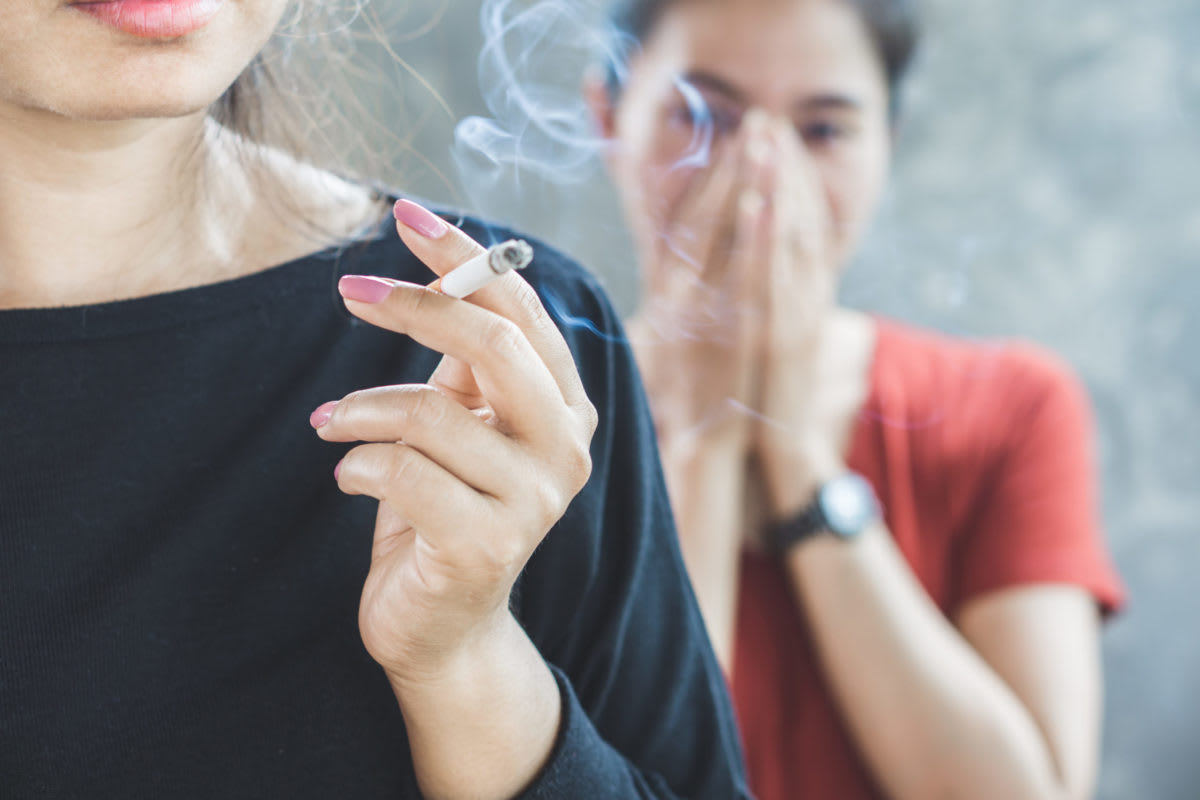
When people think about tobacco, they usually think about lung cancer. But the damage doesn’t stop there. Smoking can also increase the risk of cancers affecting the mouth, throat, bladder, and kidneys.
Even if you don’t smoke, being around smokers means you’re still exposed to harmful chemicals through secondhand smoke.
Vaping is often seen as a safer alternative, but scientists are already finding concerning substances in the vapour. The long-term effects are still being studied, but it’s clear that your lungs weren’t designed to breathe in those chemicals.
2. Drinking Alcohol Regularly

Many people see alcohol as just part of social life, but your body doesn’t treat it that way. When you drink, your body breaks alcohol down into a chemical called acetaldehyde. The problem is that acetaldehyde can damage your DNA and make it harder for your body to repair that damage.
Over time, repeated exposure can cause cells to grow and behave in ways they shouldn’t. That’s why alcohol has been linked to several types of cancer, including cancers of the liver, breast, mouth, throat, and colon. The risk increases with the amount you drink, and current evidence suggests there is no completely risk-free level of alcohol consumption when it comes to cancer.
3. Eating Processed and Smoked Meats Too Often

Processed meats like bacon, sausages, and hot dogs have been clearly linked to cancer. Research shows that eating them regularly can increase the risk of colorectal cancer. The occasional serving isn’t the main concern. The bigger issue is eating processed or heavily smoked meats every day for years, which is when the risk starts to add up.
4. Sitting Down for Most of the Day

Many of us spend most of the day sitting at work, in traffic, and later in front of a screen. The problem is that too much sitting has been linked to a higher risk of certain cancers, including colon and breast cancer. Even if you exercise, long periods of sitting can still affect your health. The good news? You don’t need a gym membership. Simply standing up and moving around for a few minutes every hour can make a real difference.
5. Carrying Excess Weight
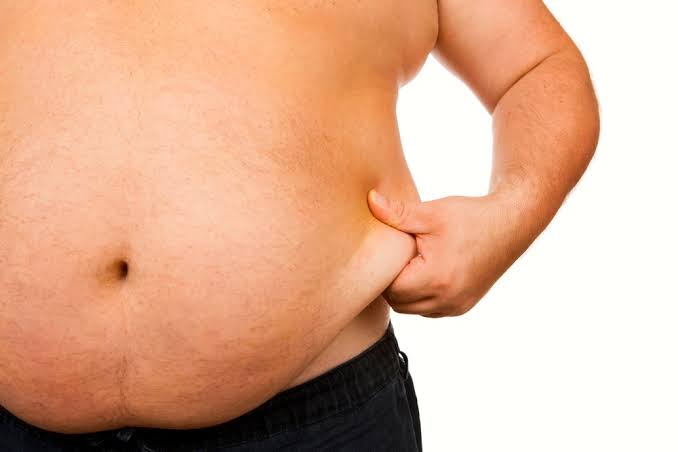
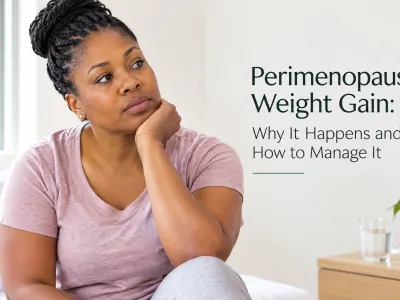
Excess body weight is one of the biggest preventable causes of cancer. Carrying extra weight, especially around the waist, can increase inflammation and affect hormone levels in ways that make it easier for abnormal cells to grow. Obesity has been linked to more than a dozen cancers, including breast, liver, kidney, and pancreatic cancer. The encouraging part is that even modest, long-term weight loss can help lower that risk.
6. Going Into the Sun Without Protection

People in Nigeria live under intense sunlight all year. Harmattan does not reduce UV levels. Neither do clouds. UV radiation adds up quietly on your skin every single day, and years of unprotected exposure can lead to melanoma, the most dangerous form of skin cancer. Tanning beds, which some people use in cities like Lagos and Abuja, carry the same cancer risk classification as tobacco. A broad-spectrum sunscreen with SPF 30 or higher, worn consistently, significantly reduces that risk.
7. Consistently Poor Sleep

Sleep is when your body carries out a lot of its repair work. If you’re regularly getting less than six or seven hours a night, that process can be disrupted. Over time, poor sleep can affect your immune system, increase inflammation, and throw important hormones out of balance. That’s one reason researchers have linked chronic sleep deprivation and long-term shift work to a higher risk of certain cancers. Sleep is part of staying healthy.
8. Exposure to Everyday Environmental Toxins
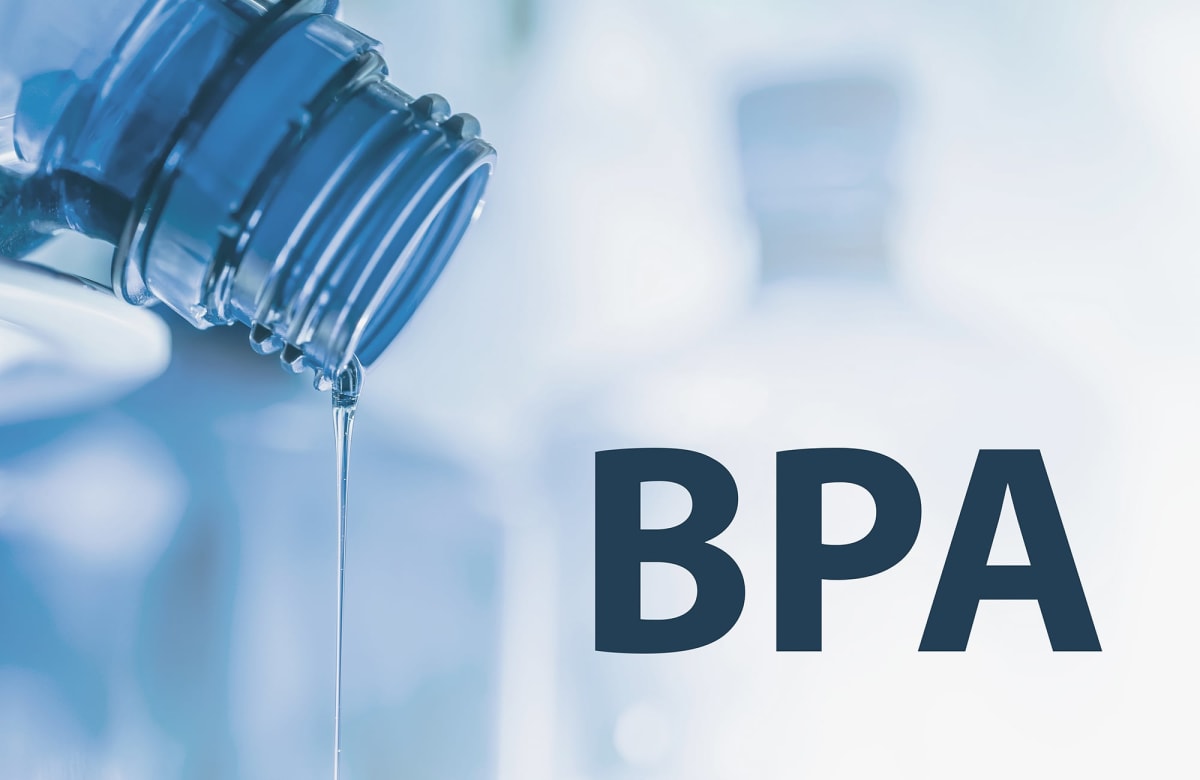
This one feels out of your control, but it is not entirely. Air pollution in Lagos, Kano, and Port Harcourt contains microscopic particles that penetrate the lungs and have been linked to lung cancer in non-smokers. Heating food in plastic containers releases chemicals like BPA and phthalates into your meal. These chemicals are showing up in human blood samples in recent studies, with early links to breast, colorectal, and lung cancer. Switching to glass or ceramic for hot food is not expensive. It is just a different habit.
9. Skipping Routine Health Screenings
This habit does not cause cancer. But it turns treatable cancer into fatal cancer. Most Nigerians do not visit a doctor until something feels seriously wrong. By that point, the cancer has usually had months or years to grow and spread quietly. Cervical, breast, prostate, and colorectal cancers can all be detected early through simple tests. Caught early, most cancers are manageable. Caught late, the options shrink fast. One annual checkup is not expensive compared to what it can catch.
10. Living Under Chronic Stress Without Managing It

Stress doesn’t directly cause cancer, but it can affect the systems that help protect your body. When stress is ongoing, it can weaken immune function, increase inflammation, and influence habits like poor sleep, unhealthy eating, or increased alcohol use. Over time, those patterns can raise cancer risk indirectly. Managing stress through better sleep, regular movement, and meaningful social connection plays an important role in long-term health.
Frequently Asked Questions
What are the biggest everyday habits linked to cancer risk?
Smoking, regular alcohol use, eating processed meats daily, and sitting for long stretches without moving are the most strongly supported habits tied to cancer risk.
Can eating suya or smoked fish every day increase cancer risk?
The smoking and preservation process in these meats creates compounds that gradually damage the gut lining over time. Research links daily consumption to colorectal cancer specifically.
Does stress actually cause cancer?
Not on its own. But sustained stress keeps your immune system running at reduced capacity and creates the conditions where other risks do more damage than they otherwise would.
Why is cancer increasing so rapidly in Nigeria?
Experts point to rising processed food consumption, increasingly sedentary lifestyles, more alcohol use, and, critically, very low screening rates. Most people only visit a hospital when something already feels seriously wrong.
How often should I go for a cancer screening?
Adults over 30 should have conversations with a doctor about cervical, breast, and prostate screening at least once a year. If cancer runs in your family, start earlier. The purpose of screening is not to find cancer. It is to catch anything that looks unusual before it gets a chance to develop into something harder to manage.
Is there a safe level of alcohol that does not raise cancer risk?
Based on current evidence from the IARC and WHO, no. The risk is lowest at zero and rises consistently the more and the more often you drink. Even low regular consumption raises breast cancer risk through its effect on oestrogen levels. The safest position for cancer prevention is no alcohol at all, or as little as possible.
Can poor sleep really raise cancer risk?
Yes, and it is more significant than most people realise. Studies consistently show that sleeping fewer than six or seven hours most nights raises cancer risk, particularly for breast and colorectal cancer.
Conclusion
Cancer is largely a long game. So is prevention. The people who come out ahead are not the ones who did everything perfectly. They are the ones who started earlier, screened regularly, and did not wait until symptoms forced their hand. Start now. With whatever small change is actually possible today.