10 Fiber-Rich Foods That Support Digestive Health
 Richard Ryanne Ugbedeojo
 10 Fiber-Rich Foods That Support Digestive Health
We often hear about the importance of eating healthy, but one nutrient that doesn't always get enough attention is fiber. Fiber plays a major role in keeping your digestive system running smoothly. It helps prevent constipation, supports healthy gut bacteria, and can even improve your overall well-being.
The good news is that getting more fiber into your diet doesn't have to be difficult. Many everyday foods are naturally rich in fiber and can help keep your digestive system healthy.
Here are 10 fiber-rich foods that can support better digestion and help you feel your best.
1. Oats
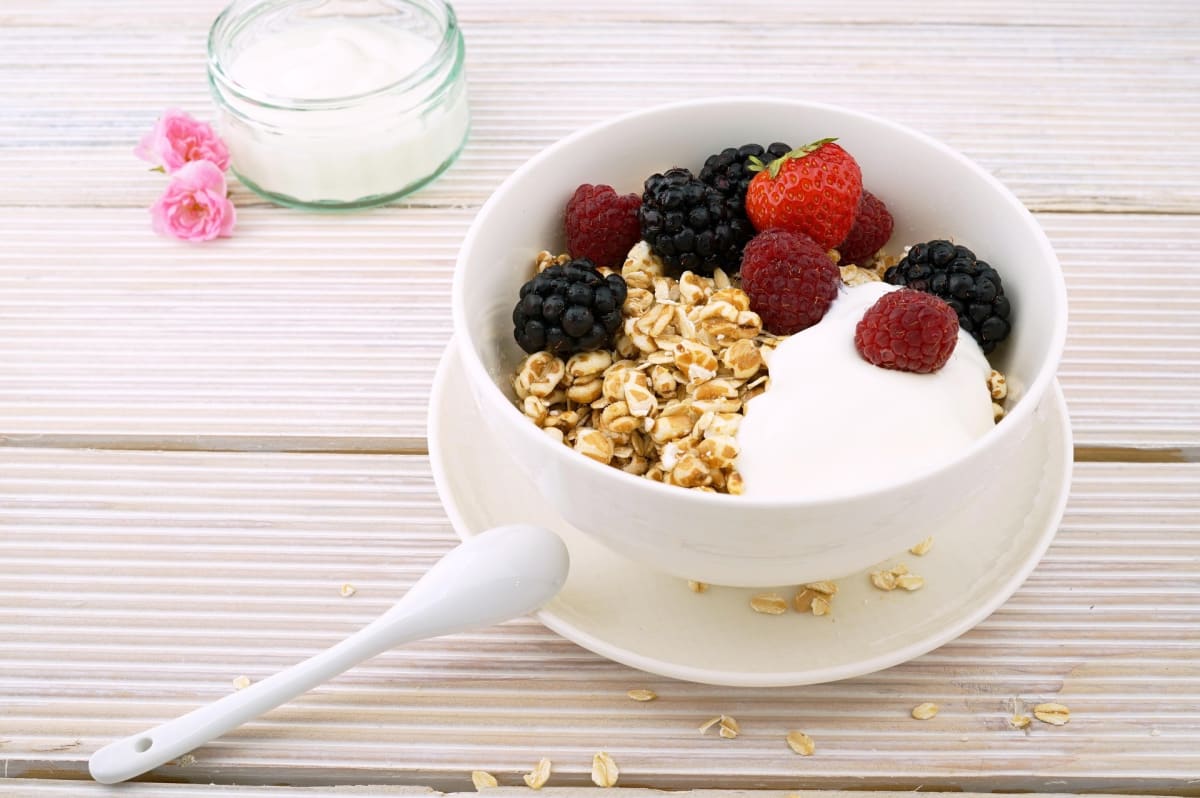
Oats are a great choice for supporting digestive health because they're rich in a special type of soluble fiber called beta-glucan. This fiber helps soften and bulk up stool, making bowel movements easier and helping to prevent constipation.
Oats also feed the good bacteria in your gut. As these bacteria break down the fiber, they produce substances that help keep your intestines healthy and reduce inflammation. Another benefit is that oats are gentle on the digestive system and can be a good option for people who often experience bloating or stomach discomfort.
2. Beans
Beans are one of the best sources of dietary fiber and can do wonders for your digestive health. The fiber in beans helps keep bowel movements regular by adding bulk to stool and preventing constipation.
Beans also help feed the good bacteria in your gut. When these bacteria break down the fiber, they produce substances that help keep your digestive system healthy and support a strong gut lining. A healthy gut can also help your body absorb nutrients more effectively.
If you're not used to eating a lot of fiber, it's best to add beans to your diet gradually, as eating large amounts at once may cause gas or bloating.
3. Apples
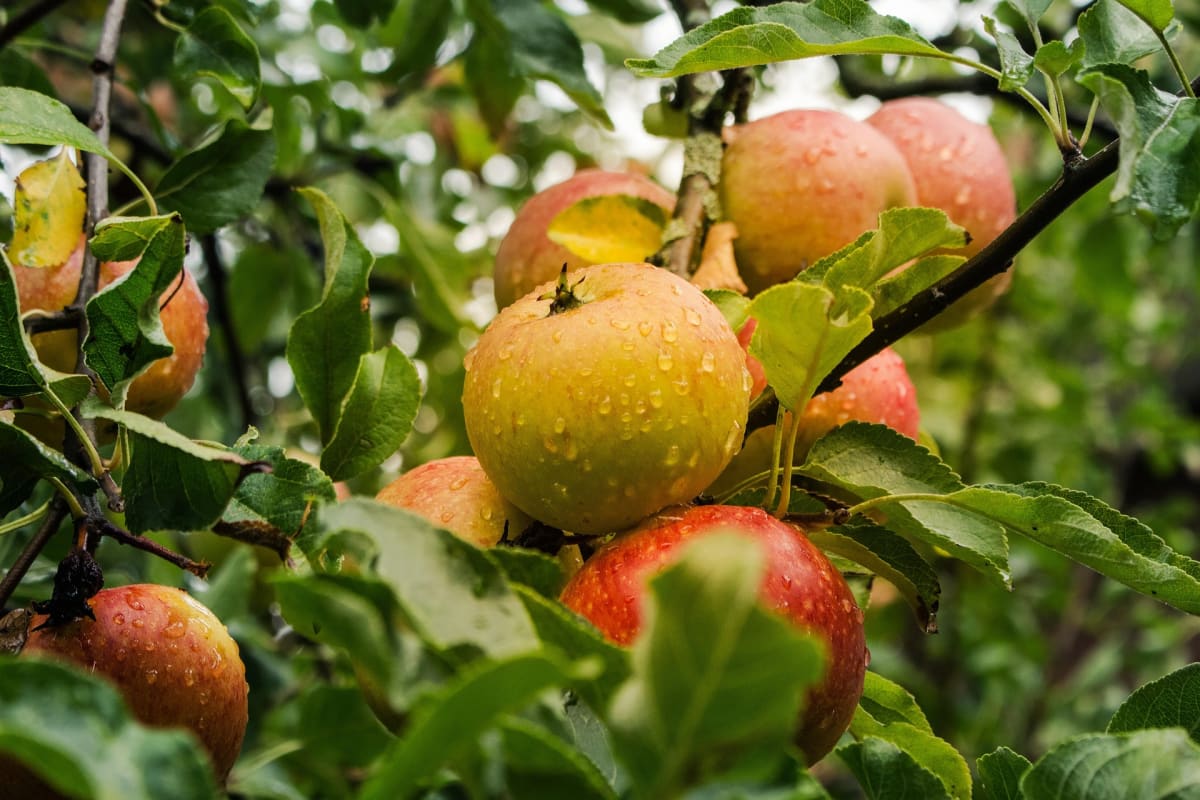
An apple a day may not solve every health problem, but it can certainly support a healthy digestive system. Apples are rich in fiber, which helps keep bowel movements regular and can reduce the risk of constipation.
They also contain a type of fiber called pectin that feeds the good bacteria in your gut, helping to maintain a healthy balance in your digestive system. In addition, apples contain natural compounds with antioxidant properties that support overall gut health.
For the most digestive benefits, eat apples with the skin on, as much of their fiber is found in the peel. If raw apples upset your stomach, cooked apples can be a gentler option while still providing many of the same benefits.
4. Broccoli
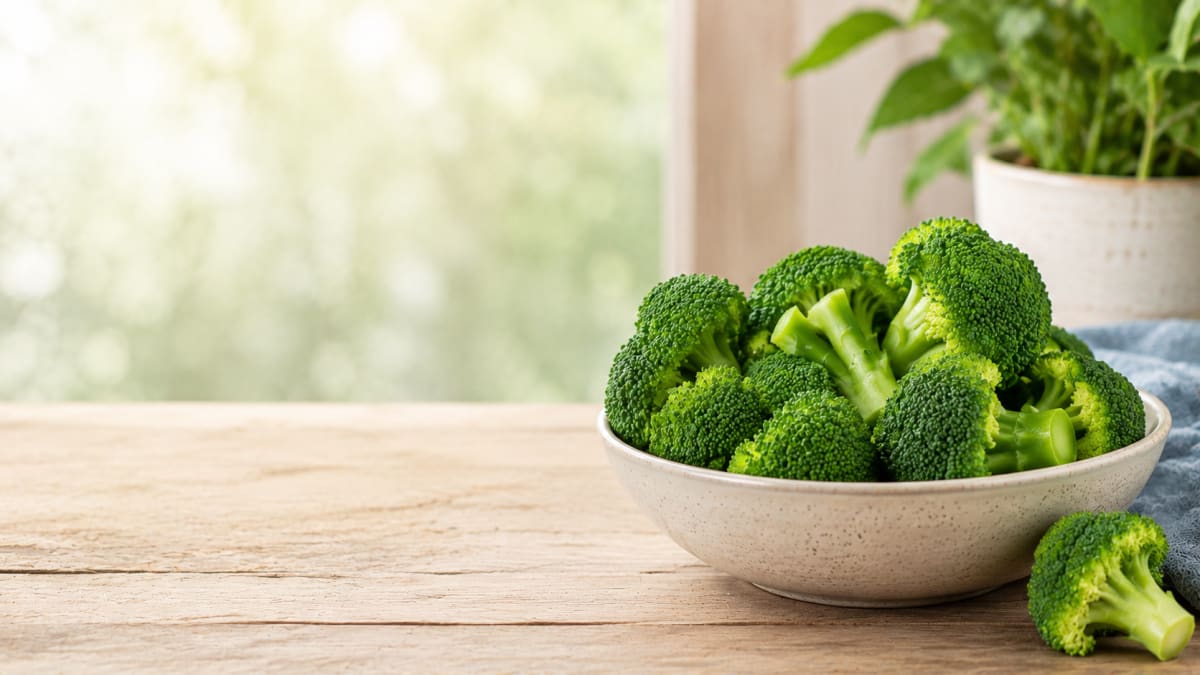
Broccoli is one of the best vegetables you can eat for digestive health. It is rich in fiber, which helps keep bowel movements regular and prevents constipation by adding bulk to stool.
The fiber in broccoli also helps feed the good bacteria in your gut, supporting a healthy digestive system and better nutrient absorption. In addition, broccoli contains natural compounds that help protect the lining of the digestive tract and reduce inflammation.
Some studies suggest that broccoli may also help protect the stomach from certain harmful bacteria linked to digestive problems. Whether steamed, roasted, or added to a salad, broccoli is an easy and nutritious way to support a healthy gut.
5. Sweet Potatoes
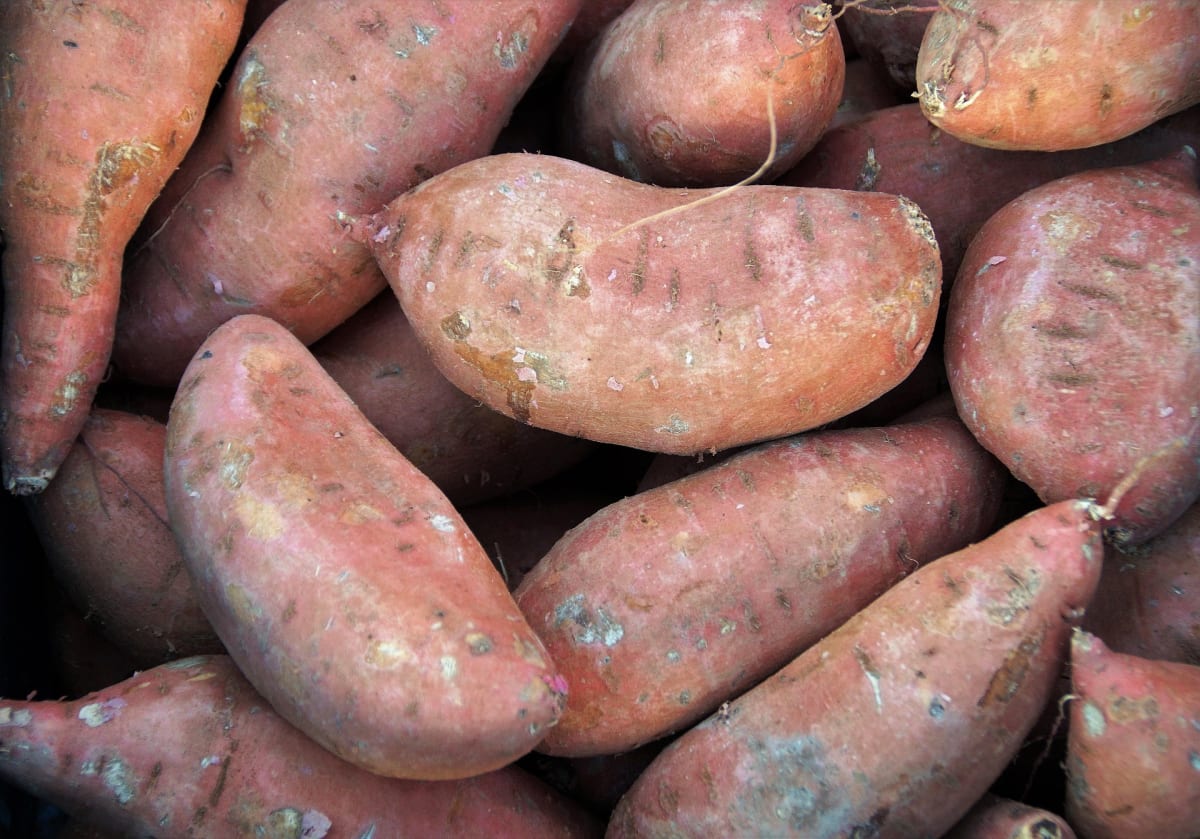
Sweet potatoes are a delicious and fiber-rich food that can help keep your digestive system healthy. The fiber they contain helps food move smoothly through the digestive tract, promoting regular bowel movements and reducing the risk of constipation.
They also support the growth of healthy gut bacteria, which play an important role in digestion and overall gut health. In addition, sweet potatoes can help maintain a healthy digestive tract and may even help ease occasional digestive discomfort.
Whether baked, boiled, or roasted, sweet potatoes are a simple and nutritious addition to a digestion-friendly diet.
6. Chia Seeds
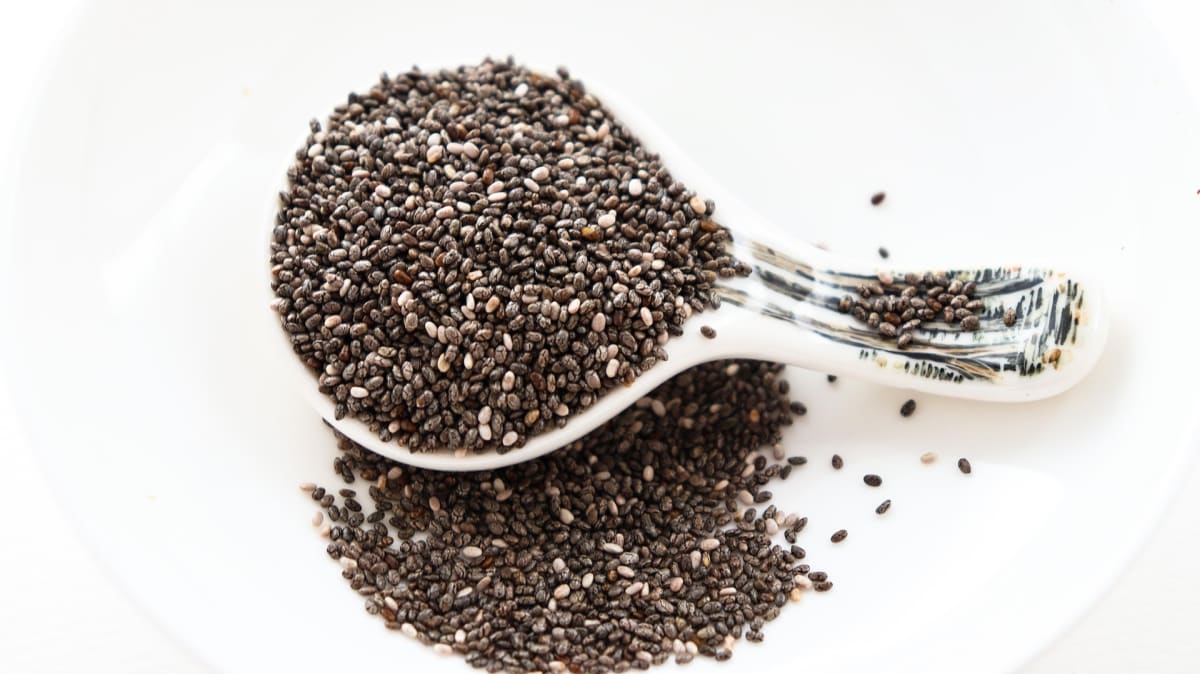
Don't let their small size fool you, chia seeds are packed with fiber and can be a great addition to a digestion-friendly diet. The fiber in chia seeds helps add bulk to stool, making bowel movements easier and helping to prevent constipation.
When soaked in water, chia seeds form a gel-like texture that helps keep the digestive tract moving smoothly. They also support the growth of healthy gut bacteria, which play an important role in maintaining good digestive health.
You can easily add chia seeds to smoothies, yogurt, oatmeal, or water for a simple fiber boost
7. Bananas
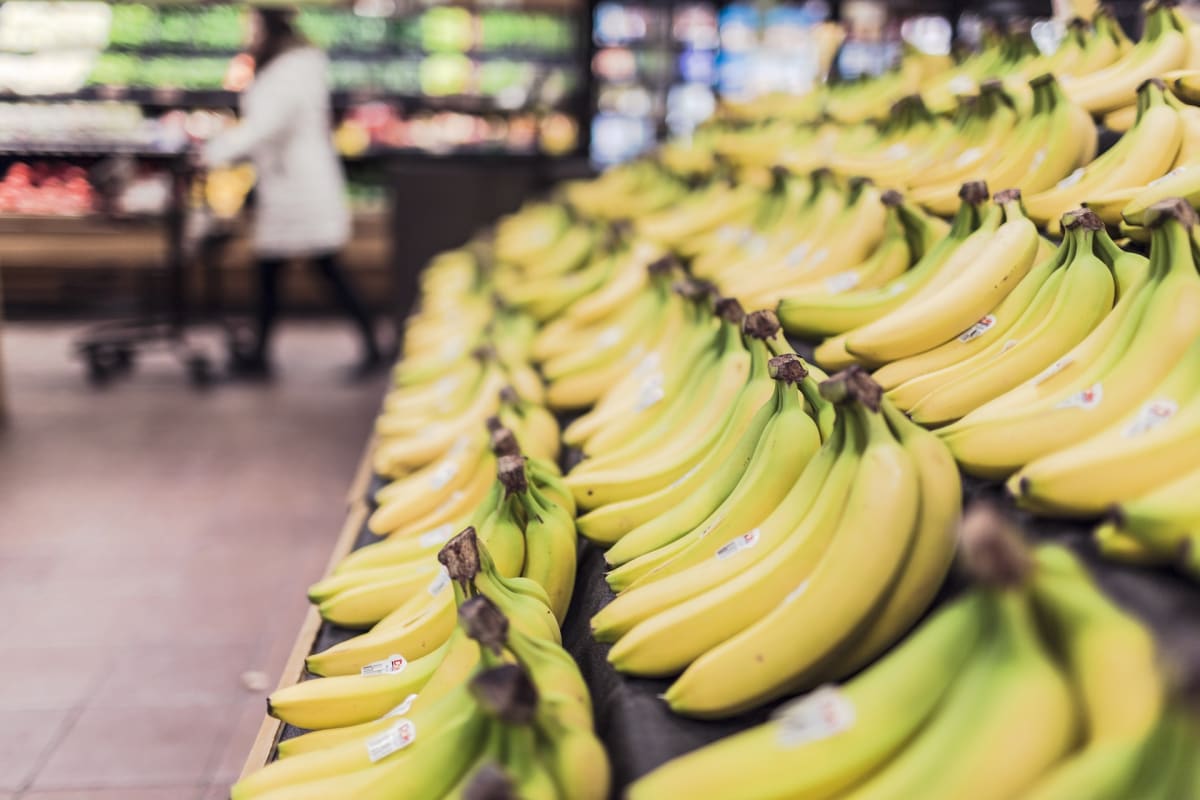
Bananas are one of the most digestion-friendly foods you can eat. They are soft, easy to digest, and are often recommended for people recovering from stomach upset, diarrhea, or nausea.
The fiber in bananas helps regulate bowel movements by softening stool and promoting regularity. Bananas also support the growth of healthy gut bacteria, which contribute to a balanced digestive system.
Another benefit is that bananas contain important minerals such as potassium, which can help replace nutrients lost during episodes of diarrhea. Whether enjoyed as a snack, blended into a smoothie, or added to breakfast, bananas are a simple way to support digestive health.
8. Pears

Pears are one of the best fruits for supporting digestive health because they are rich in fiber. This fiber helps add bulk to stool, making bowel movements smoother and helping to prevent constipation.
They also contain natural compounds that gently draw water into the intestines, which can help soften stool and make it easier to pass. In addition, pears support healthy gut bacteria, which play an important role in overall digestion and gut balance.
For the best benefits, eat pears with the skin on, since that’s where most of the fiber is found.
9. Lentils

Lentils are a great plant-based food that support digestive health because they are high in fiber. This fiber helps keep bowel movements regular and can help prevent constipation by adding bulk to stool.
They also support the growth of healthy gut bacteria, which is important for overall gut health and smooth digestion. Over time, including lentils in your diet can help your digestive system work more efficiently.
Because lentils are high in fiber, it’s best to start with small portions if you’re not used to them, as eating too much too quickly may cause gas or bloating.
10. Yogurt

Yogurt is great for digestive health because it contains beneficial bacteria that help keep your gut balanced. These good bacteria support digestion and may help reduce issues like bloating and irregular bowel movements.
It is also easy on the stomach for most people and can be a gentle option when you’re having digestive discomfort. For the best benefits, choose yogurt with “live and active cultures,” since these are the helpful bacteria that support gut health.
Conclusion
Good digestive health starts with what you eat every day. Foods that are rich in fiber, along with foods that support healthy gut bacteria, can help keep your digestive system working smoothly.
By including foods like fruits, vegetables, legumes, seeds, whole grains, and yogurt in your diet, you can support regular bowel movements, reduce digestive discomfort, and promote a healthier gut overall. Small, consistent changes in your diet can make a big difference over time.