First Aid: A Simple Guide for Everyday Emergencies
 Richard Ryanne Ugbedeojo
 First Aid: A Simple Guide for Everyday Emergencies
An emergency could happen anywhere at any time. Someone could suddenly collapse at work, a child could choke during a meal, someone could slip and fall or you could burn yourself while cooking.
It is important to know basic first aid like these because they would help you respond quickly instead of simply standing there and wondering what to do.
First aid according to the American Red Cross is the immediate care given to an injured or suddenly ill person to help keep them alive, prevent their condition from getting worse, and promote recovery until professional medical help arrives.
You don't need to be a healthcare professional to learn basic first aid However, you should only provide care within the limits of your knowledge and training.
What to Do First in an Emergency
When an emergency happens, it is easy to panic and rush toward the person but before you do that, take a moment to make sure the situation is safe.
The American Red Cross uses three simple steps to remember what to do during an emergency. I'll list them below
1. Check

Before doing anything, you need to check the scene for anything that could put you or the injured person in danger. Look out for hazards like traffic, fire, electricity, chemicals or broken glass
If the scene is safe, check the person.
If they appear unresponsive, check for responsiveness, breathing, severe bleeding, and other life-threatening conditions. The Red Cross recommends doing this initial check for no more than 10 seconds and one way to check responsiveness is the shout-tap-shout method: shout to the person, gently tap their shoulder, and shout again.
If the person is conscious and able to respond, introduce yourself and ask for permission before helping. If they are responsive but not fully awake or appear seriously ill or injured, treat the situation as an emergency.redcross.org
2. Call

If you check, and the person is unresponsive, isn't breathing normally, only gasping, has severe bleeding or has another obvious life-threatening condition, call your local emergency service immediately.
If someone else is nearby, ask them to make the call while you give care to the affected person
If you are alone, use your phone's speaker mode so that the emergency dispatcher can give you instructions as you continue helping
3. Care
Provide appropriate first aid based on what you find and your level of training.
If the person is conscious and their condition isn't immediately life-threatening, ask about their symptoms, if they have any allergies, medications, or any existing medical conditions. This information can help you understand what may be happening and can be useful to emergency responders.
If you suspect a head, neck, or spinal injury, don't try to move the person to move unnecessarily. redcross.org
The ABCs of First Aid
The ABC approach is another useful way to think about the immediate priorities during an emergency
A — Airway
B — Breathing
C — Circulation
Airway
The airway is the passage through which air travels into the lungs.
Check whether the person's airway appears blocked. If an unconscious person is breathing normally, positioning them appropriately can help keep the airway open.
For an unresponsive person without a suspected spinal injury, opening the airway may involve gently tilting the head back and lifting the chin.
However, don't unnecessarily move someone if you suspect a head, neck, or spinal injury.
Breathing
The next thing to do, is to determine whether the person is breathing normally.
An unresponsive person who is only gasping is not considered to be breathing normally. Gasping for air can occur during cardiac arrest and requires immediate action.
If the person is not responding and not breathing normally, call for emergency help and start CPR.
Circulation
Circulation refers to blood flowing throughout the body.
During first-aid assessment, one of the most important things to look for is life-threatening bleeding. Severe bleeding can quickly become dangerous!
Apply firm, direct pressure to a bleeding wound. Use a clean cloth, gauze or dressing while waiting for emergency help.
Remember that ABC is a useful assessment framework, but it shouldn't cause you to delay CPR when someone is clearly unresponsive and not breathing normally.
CPR: What to Do When Someone Isn't Breathing Normally
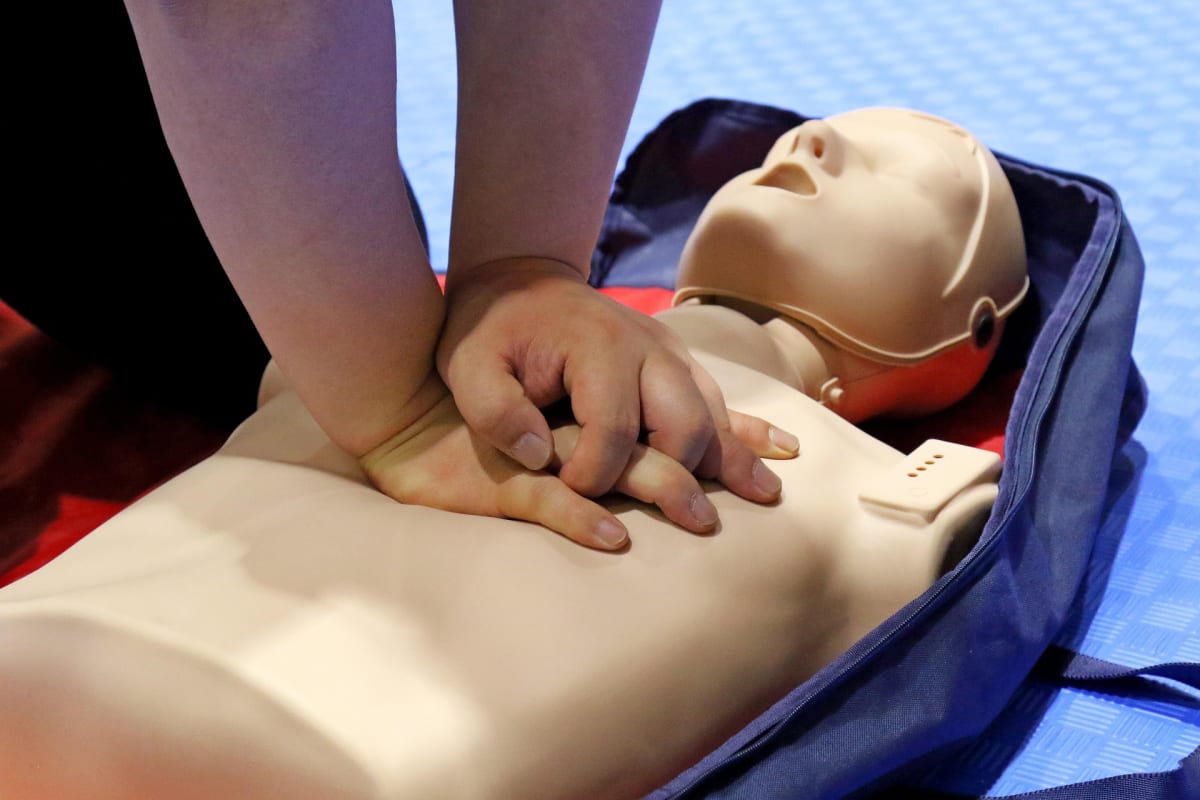
CPR, or cardiopulmonary resuscitation, is an emergency procedure used when a person's heart has stopped effectively pumping blood.
If an adult suddenly collapses, is unresponsive, and isn't breathing normally or is only gasping, act immediately.
How to perform CPR on an adult
Call your local emergency service or tell someone nearby to call.
Ask someone to get an AED (automated external defibrillator) if one is available.
Place both hands in the center of the person's chest.
Push hard and fast at a rate of 100–120 compressions per minute.
Compress the chest to a depth of at least 5 cm (2 inches) in an average adult, while avoiding depths greater than 6 cm.
Allow the chest to fully recoil between compressions.
Continue until the person shows signs of life, trained help takes over, or an AED is ready to use.
If you are an untrained bystander witnessing a sudden collapse in an adult or teenager, Hands-Only CPR (continuous chest compressions) without rescue breaths is an appropriate option.
People who are trained to perform conventional CPR can use a ratio of 30 chest compressions to 2 breaths. redcross.org.
What Is an AED?
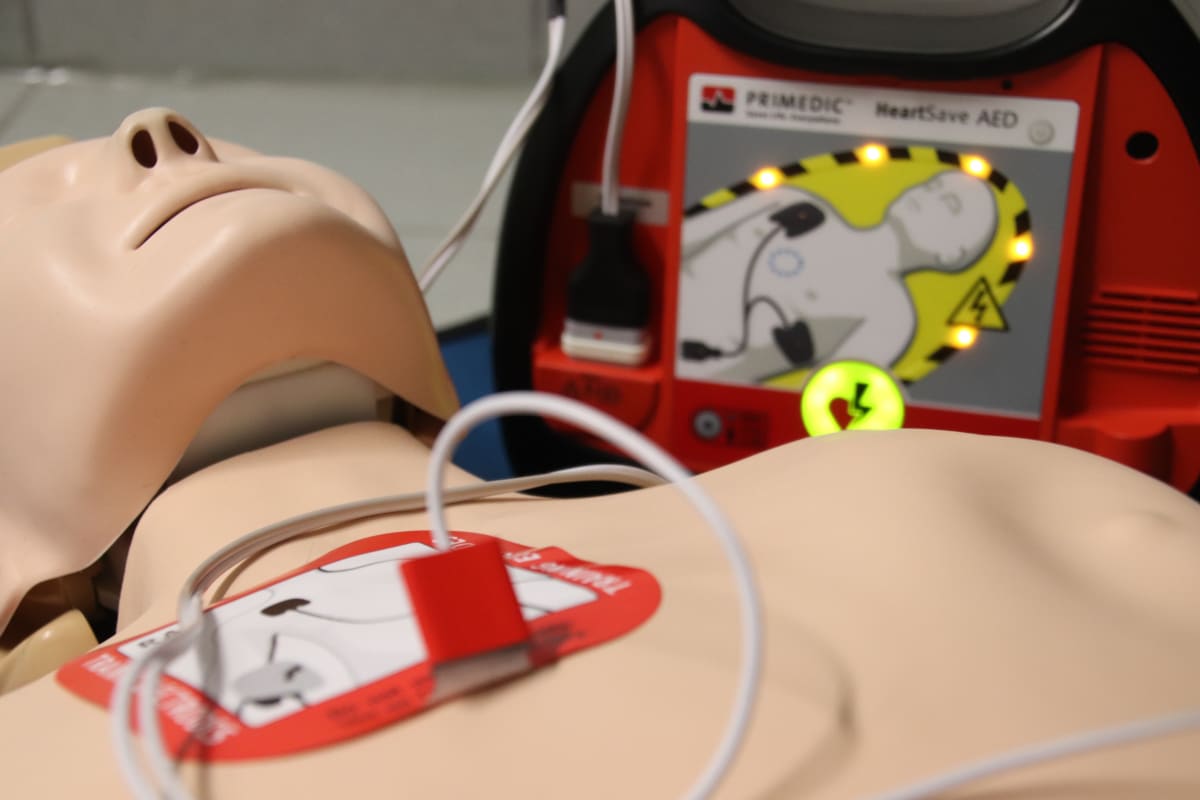
An automated external defibrillator (AED) is a device that analyzes the heart's rhythm and can deliver an electrical shock when appropriate.
If an AED is available, turn it on and follow its voice or visual instructions. The device will tell you when to attach the pads, when to stop touching the person, and whether a shock is advised.
You don't have to determine the heart rhythm by yourself.
When Should You Call for Emergency Help?
Not every injury requires an ambulance, but some situations need immediate professional care.
You should seek emergency medical help if someone:
Is unresponsive or difficult to wake
Is not breathing normally or is only gasping
Has severe or uncontrolled bleeding
Has serious difficulty breathing
Is experiencing severe choking
They have a serious burn
Has a severe allergic reaction
Has suffered a major injury
Has symptoms suggesting a serious medical emergency
If you're unsure whether a situation is serious, it's better to seek professional advice than to ignore potentially dangerous symptoms.
What Should Be in a Basic First-Aid Kit?
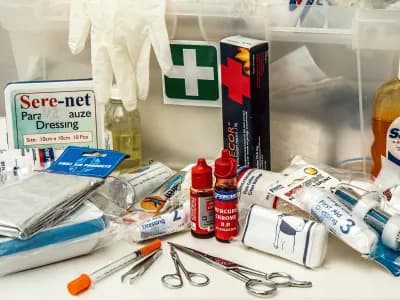
A first-aid kit doesn't need to contain every medical product imaginable. It simply needs useful supplies that can help you manage common injuries while waiting for professional care.
These are the things you would find in a Basic First-Aid Kit:
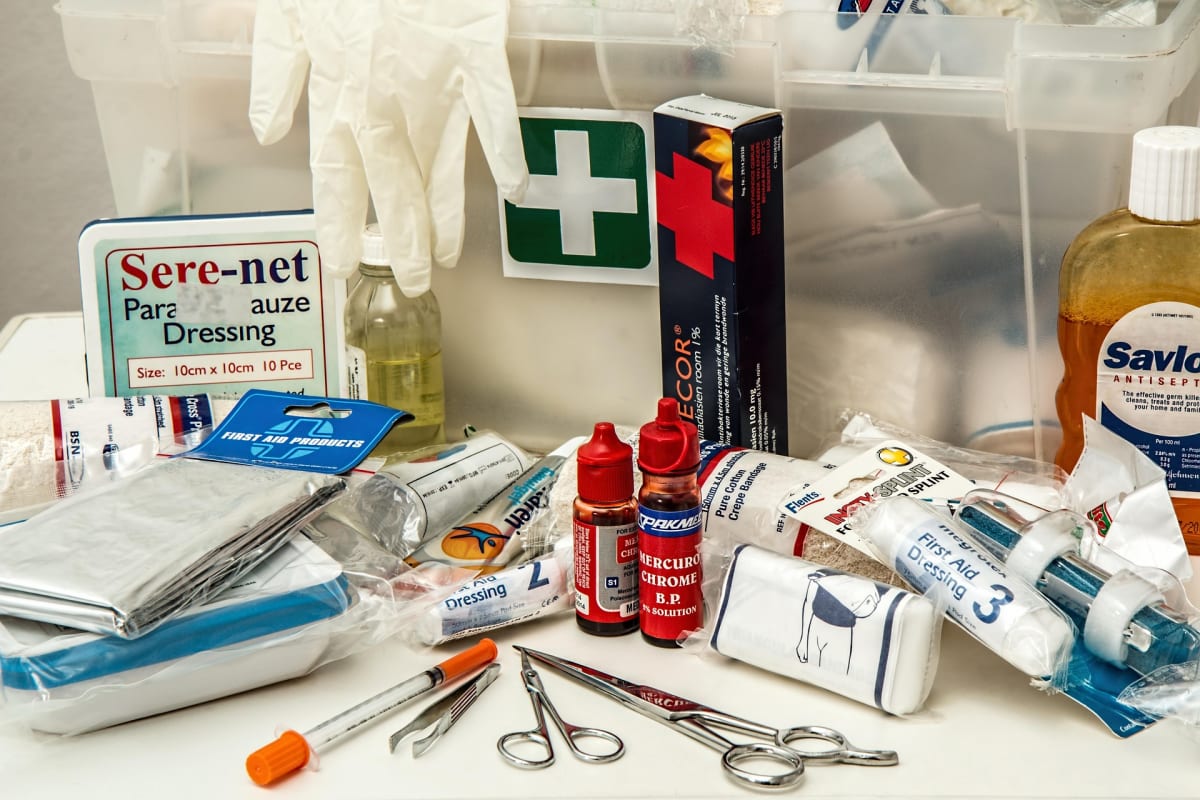
Disposable gloves
Adhesive bandages
Sterile gauze
Tape
Clean dressings
Antiseptic wipes
Scissors
Tweezers
Instant cold packs
Thermometer
First-aid guide
Emergency contact information redcross.org
More importantly, make sure you know where your first aid kit is so it will be easier to reach incase of an emergency and always remember to check the expiry dates.
Conclusion
You don't have to be a doctor, a nurse or some health professional to know basic first aid.
Learning how to check a scene, recognize a life-threatening emergency, control severe bleeding, respond to choking, and perform CPR can give you the confidence to act when someone is in need of help
The key is not to panic. Check the situation, call for professional help when necessary, and provide the care you know how to give.
First aid isn't about doing everything yourself. It's about giving someone the best immediate help of care you can while waiting for trained professionals to take over.
And the best time to learn these skills is before an emergency happens not while you're standing in the middle of one.
First aid is only one part of maintaining good health. Understanding health as a whole involves looking beyond illness and emergencies to the physical, mental, and social factors that contribute to overall well-being.
Want to learn more about what it really means to be healthy? Read Understanding Health: More Than the Absence of Illness