Malaria: Everything You Need to Know About One of Africa's Deadliest Diseases
 mark ogujiuba
 Malaria: Everything You Need to Know About One of Africa's Deadliest Diseases
"It's Just Malaria..." A Story That Could Have Ended Differently
It was a busy Wednesday afternoon in Lagos.
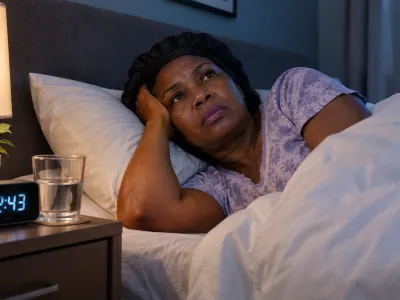
Twenty-four-year-old Ada had just returned from work feeling unusually tired. She thought it was because she had been working long hours. By evening, she had developed a mild headache and body pains.
"It's probably just malaria," she told her roommate.
Instead of going to the hospital, she stopped at a nearby pharmacy and bought some medicines she had used years ago. She took the tablets without checking if she actually had malaria.
The next morning, her fever got worse.
She started vomiting.
She couldn't eat.
By afternoon, she became confused and struggled to stay awake.
Her roommate rushed her to the emergency department.
After several tests, the doctor confirmed that she had severe malaria. Because treatment had been delayed, the infection had started affecting her brain and kidneys.
She spent four days in intensive care.
Fortunately, Ada survived.
Later, the doctor told her something she would never forget:
"Malaria is common, but that doesn't mean it's harmless. Early diagnosis and proper treatment save lives."
Sadly, not everyone hears those words.
Every year, malaria affects hundreds of millions of people worldwide and causes hundreds of thousands of deaths, with the highest burden on Africa—especially young children and pregnant women.
The good news?
Malaria is preventable, treatable, and curable when recognized early.
Let's understand this disease in detail.
What Is Malaria?
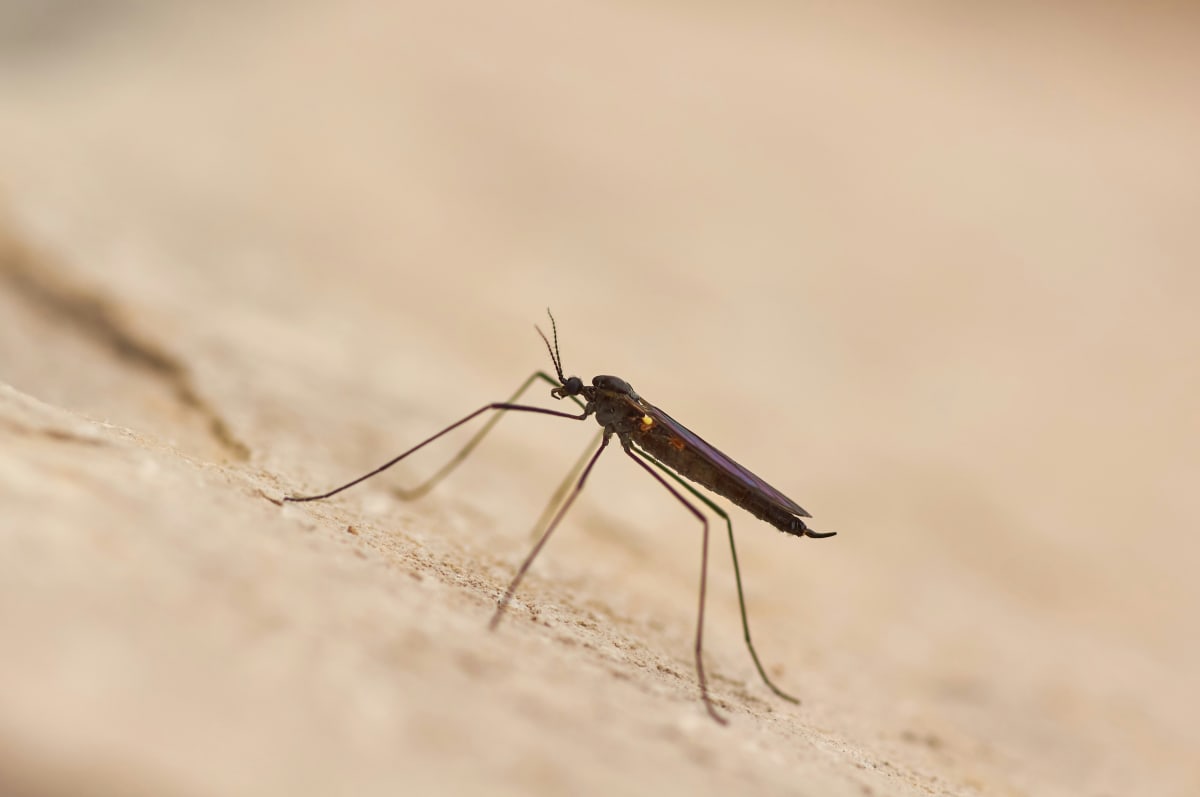
Malaria is a life-threatening infectious disease caused by tiny parasites called Plasmodium.
Unlike viruses or bacteria, malaria is caused by parasites that invade the liver and red blood cells after entering the body.
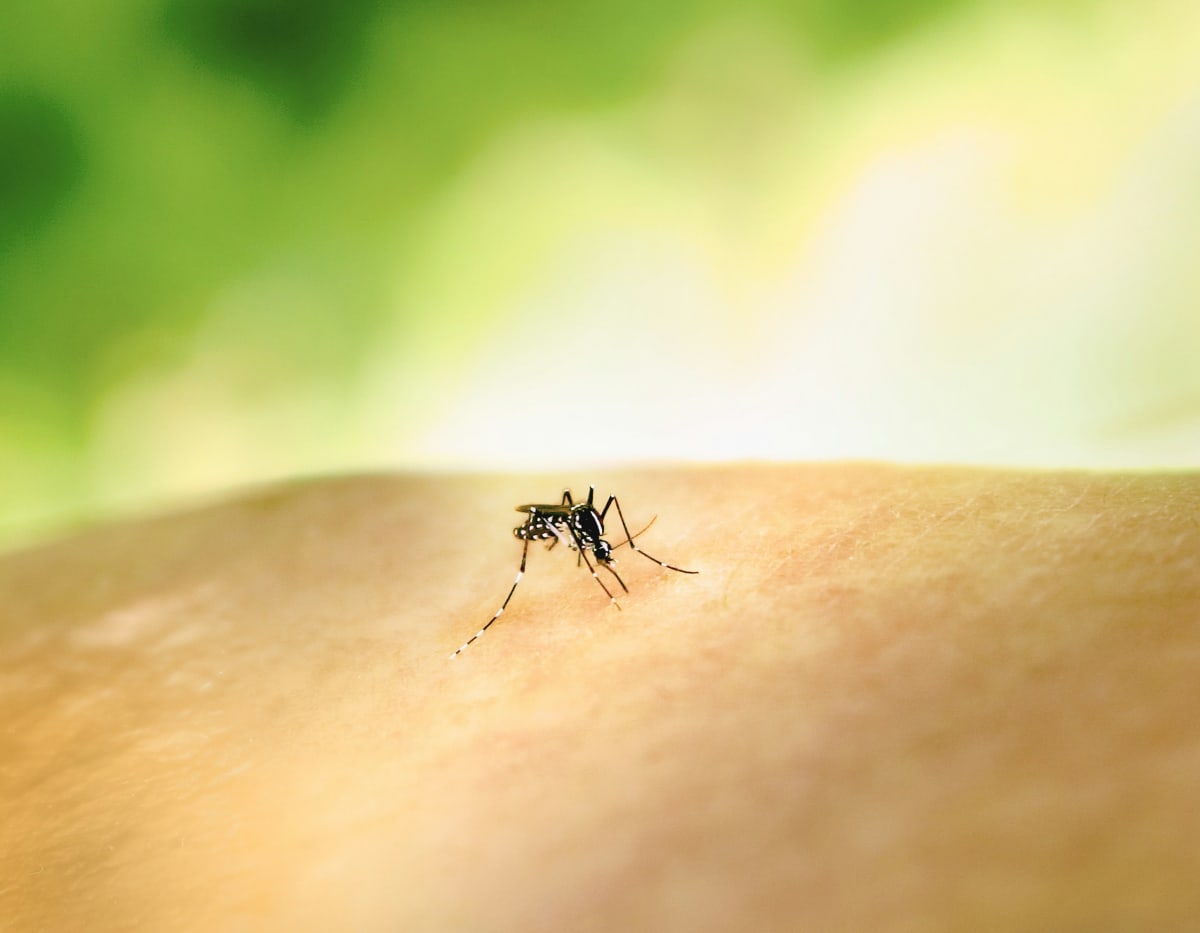
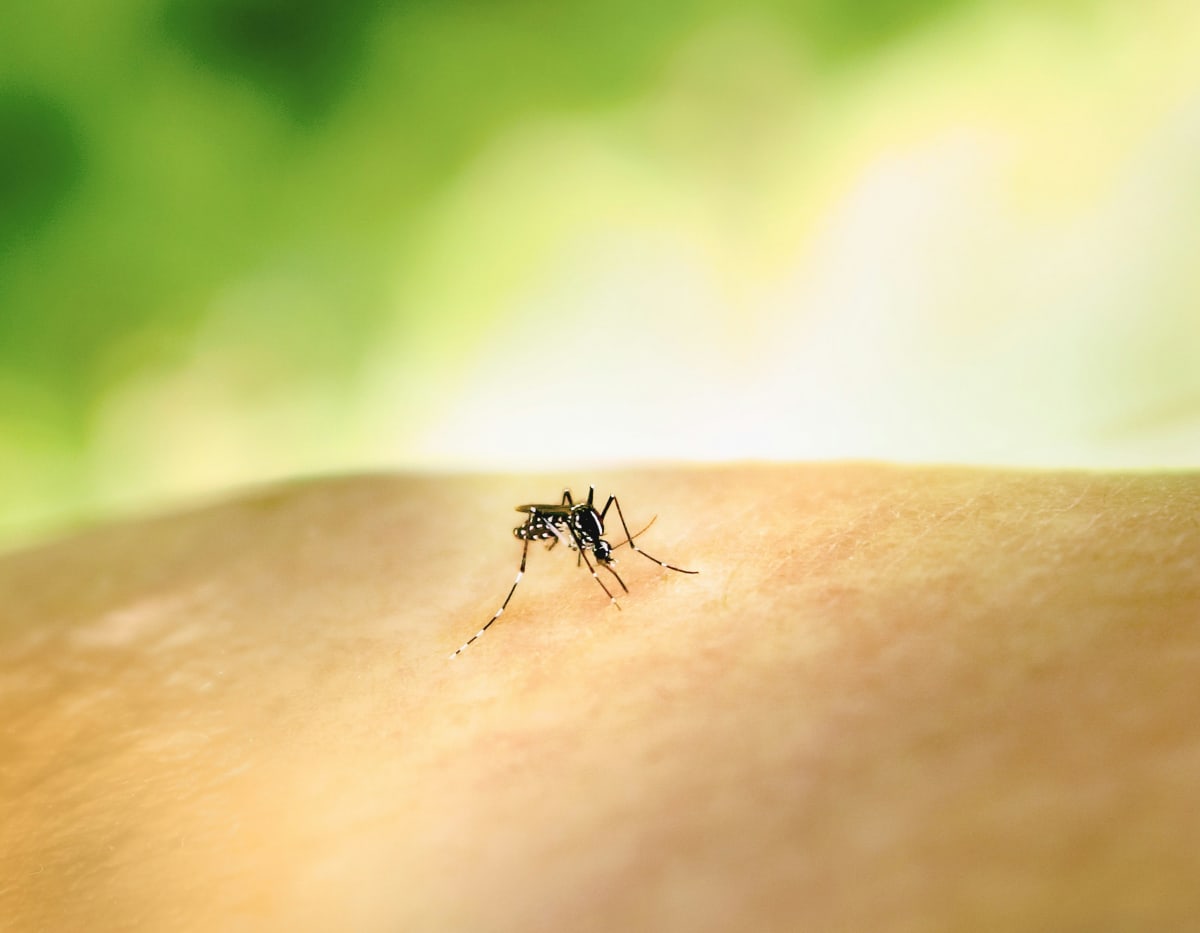
The disease spreads to humans through the bite of an infected female Anopheles mosquito.
Without prompt treatment, malaria can lead to severe illness, organ failure, and death.
What Causes Malaria?
The disease is caused by parasites from the Plasmodium family.
The five species known to infect humans are:
Plasmodium falciparum – the deadliest and most common species in Africa.
Plasmodium vivax – common in Asia and South America; can remain dormant and cause relapses.
Plasmodium ovale
Plasmodium malariae
Plasmodium knowlesi – mainly found in Southeast Asia.
In Nigeria and much of sub-Saharan Africa, Plasmodium falciparum is responsible for most severe cases and deaths.
How Is Malaria Transmitted?
Many people believe malaria comes from getting soaked in rain, eating oily food, or sleeping in a dirty room.
These are myths.
The only natural way malaria spreads is through the bite of an infected female Anopheles mosquito.
Here's what happens:
A mosquito bites a person infected with malaria.
The mosquito picks up the malaria parasite.
The parasite develops inside the mosquito.
When the mosquito bites another person, it injects the parasites into the bloodstream.
The parasites travel to the liver, multiply, and later infect red blood cells.
Can Malaria Spread from One Person to Another?
No.
You cannot get malaria by:
Hugging someone.
Sharing food.
Shaking hands.
Kissing.
Sitting next to someone.
Sharing clothes.
However, in rare cases, malaria can be transmitted through:
Blood transfusions from an infected donor.
Shared contaminated needles.
Organ transplantation.
From a pregnant mother to her unborn baby (congenital malaria).
Who Is Most at Risk?
Although anyone can get malaria, some people are more vulnerable.
These include:
Children Under Five
Young children have not yet developed partial immunity and are more likely to suffer from severe malaria.
Pregnant Women
Pregnancy lowers immunity, which raises the risk of severe illness, miscarriage, premature birth, maternal anemia, and low birth weight in babies.
Older Adults
Older people, especially those with chronic illnesses, may face more severe diseases.
Travelers
People visiting areas where malaria is common and who have little or no immunity are at higher risk.
People With Weak Immune Systems
This includes individuals living with HIV, those undergoing chemotherapy, or people taking medications that weaken the immune system.
Symptoms of Malaria
Symptoms usually show up 7 to 30 days after being bitten by an infected mosquito, although this can vary depending on the type of parasite.
Common symptoms include:
High fever
Chills
Sweating
Severe headache
Muscle and joint pains
General body weakness
Fatigue
Loss of appetite
Nausea
Vomiting
Diarrhea (sometimes)
Abdominal pain
Many people describe it as feeling like "the worst flu ever."
Severe Malaria: When It Becomes an Emergency
Without prompt treatment, malaria can quickly become life-threatening.
Warning signs include:
Confusion or unusual behavior
Difficulty breathing
Persistent vomiting
Convulsions (seizures)
Extreme weakness
Inability to eat or drink
Yellowing of the eyes (jaundice)
Dark or cola-colored urine
Loss of consciousness
These symptoms need immediate emergency medical care.
How Doctors Diagnose Malaria
One of the biggest mistakes people make is assuming that every fever is malaria.
Illnesses like typhoid fever, COVID-19, influenza, dengue fever, urinary tract infections, and pneumonia can cause similar symptoms.
Healthcare providers diagnose malaria using:
Malaria Rapid Diagnostic Test (RDT)
This is a simple finger-prick blood test that finds malaria proteins within minutes.
Blood Smear Microscopy
A drop of blood is examined under a microscope to confirm the presence of malaria parasites and estimate how many there are.
Microscopy remains the gold standard in many healthcare facilities because it helps identify the type of parasite and the severity of the infection.
How Is Malaria Treated?
Treatment depends on:
The parasite species.
Whether the malaria is uncomplicated or severe.
The patient's age.
Pregnancy status.
Local treatment guidelines.
For uncomplicated malaria, healthcare providers often prescribe Artemisinin-based Combination Therapies (ACTs) in countries where these medicines are recommended.
For severe malaria, treatment usually starts with intravenous medications in the hospital, followed by oral medication once the patient gets better.
Never stop treatment early, even if you feel better. Completing the full course helps clear the infection and lowers the risk of returning.
Why Self-Medication Can Be Dangerous
Many people automatically buy antimalarial medicines whenever they have a fever.
This can be risky because:
The illness may not be malaria.
Incorrect treatment can delay the right diagnosis.
Wrong dosing might lead to treatment failure.
Unnecessary use of medicines may contribute to drug resistance.
Whenever possible, get tested before taking antimalarial medication.
Complications of Malaria
If untreated, malaria can cause:
Severe anemia
Kidney failure
Liver dysfunction
Cerebral malaria (brain involvement)
Breathing difficulties
Low blood sugar
Shock
Multi-organ failure
Death
Children and pregnant women are especially at risk for these complications.
Can Malaria Be Prevented?
Yes—and prevention is one of the most effective ways to reduce illness and death.
Sleep Under an Insecticide-Treated Mosquito Net
This remains one of the best ways to prevent mosquito bites, especially for children and pregnant women.
Eliminate Mosquito Breeding Sites
Mosquitoes lay eggs in stagnant water.
Help reduce breeding by:
Emptying containers that collect rainwater.
Cover water storage containers.
Cleaning gutters regularly.
Remove discarded tires and cans that hold water.
Use Mosquito Repellents
Repellents, protective clothing, and window or door screens can help reduce mosquito bites.
Indoor Residual Spraying
In some communities, spraying insecticides on indoor walls helps kill mosquitoes that rest indoors.
Preventive Medicines During Pregnancy
In many malaria-prone countries, pregnant women receive intermittent preventive treatment (IPTp) during antenatal care visits to lower the risk of malaria and its complications.
Is There a Malaria Vaccine?
Yes.
Malaria vaccines are now being introduced in several African countries as part of childhood immunization programs.
These vaccines aim to reduce the risk of severe malaria and death in children, but they do not provide complete protection. They work best when combined with mosquito nets, prompt diagnosis, effective treatment, and other prevention measures.
Common Myths About Malaria
Myth 1: Rain Causes Malaria
False.
Rain does not cause malaria. However, rainfall creates stagnant water where mosquitoes breed.
Myth 2: Every Fever Is Malaria
False.
Many illnesses can cause fever. Testing is important before treatment whenever possible.
Myth 3: Once You Have Had Malaria, You Can Never Get It Again
False.
People can get malaria multiple times because infection does not provide complete lifelong immunity.
Myth 4: Herbal Remedies Can Cure Malaria
There is no strong scientific evidence that herbal remedies alone can reliably cure malaria. Delaying proven treatment while relying on unverified remedies can increase the risk of severe illness.
When Should You Go to the Hospital?
Seek medical care immediately if you have:
Fever lasting more than a day or two.
Chills with severe body pains.
Difficulty breathing.
Persistent vomiting.
Convulsions.
Confusion.
Loss of consciousness.
Dark urine.
Symptoms in a pregnant woman or a child under five.
Early treatment dramatically improves outcomes.
A Story of Hope
Three months after her recovery, Ada went to a community health talk about preventing malaria.
She learned how to:
- Sleep under a treated mosquito net every night.
- Remove stagnant water around her home.
- Use insect repellent when needed.
- Get tested before taking antimalarial medications.
She also became the one in her family who reminded everyone to seek medical care early, instead of thinking that every fever was "just malaria."
Her experience taught not only her but also those around her.
Sometimes, surviving an illness gives you the chance to help others avoid it.
Key Takeaways
Malaria is caused by Plasmodium parasites and spread through the bite of infected female Anopheles mosquitoes.
It can be prevented, treated, and cured, especially if diagnosed early.
Fever does not always mean malaria, so testing is important.
Sleeping under insecticide-treated mosquito nets and reducing mosquito breeding sites are some of the best ways to prevent malaria.
Pregnant women, young children, and people with weakened immune systems face a higher risk of severe disease.
Delaying treatment or relying only on self-medication can lead to serious complications.
Final Thoughts
Malaria has been part of life in many tropical countries for generations, which can sometimes make people underestimate it. But just because it is "common" does not mean it is "safe."
Every fever deserves attention. Every child with ongoing symptoms needs to prompt medical care. Every pregnant woman needs protection against malaria. And every family benefits from simple preventive measures like sleeping under treated mosquito nets and keeping their surroundings clear of stagnant water.
The fight against malaria is not just the job of healthcare workers or governments; it starts at home, with informed choices and early action.
Remember: The best time to treat malaria is before it becomes severe. The best way to fight malaria is to prevent it in the first place.