7 Things Your First Aid Kit Needs (And 5 It Doesn't)
 Richard Ryanne Ugbedeojo
7 Things Your First Aid Kit Needs (And 5 It Doesn't)
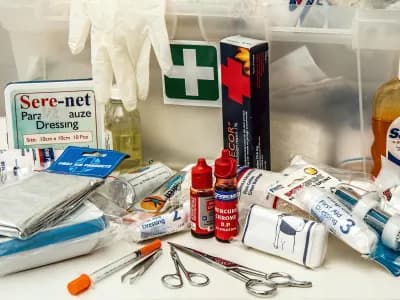
A first aid kit is a container that holds basic supplies and equipment used to give immediate care for minor injuries and illnesses before professional medical help is available. It can come in different forms, from a clearly marked box kept at home to a small pouch or bag designed for travel or use in a vehicle. medicalgearoutfitters.com
A first aid kit is one of those things that is easy to forget about until someone gets hurt.
A small cut while cooking, a scraped knee, a splinter, or a sudden headache can quickly turn into a situation where having the right supplies nearby makes things much easier.
But a first aid kit does not need to contain everything that looks medical. Some items are genuinely useful, while others may be unnecessary for everyday emergencies or should not be kept in the kit at all.
Here are seven things a basic first aid kit should have and five things it can do without.
7 Things Your First Aid Kit Needs
1. Adhesive Bandages
Small cuts, scrapes and blisters are some of the most common minor injuries, so adhesive bandages are a must-have.
It is useful to keep different sizes because not every wound will fit under the same type of bandage. Waterproof options can also come in handy, especially for areas that may get wet.
The American Red Cross includes assorted adhesive bandages among its recommended first aid kit supplies.
2. Sterile Gauze and Medical Tape
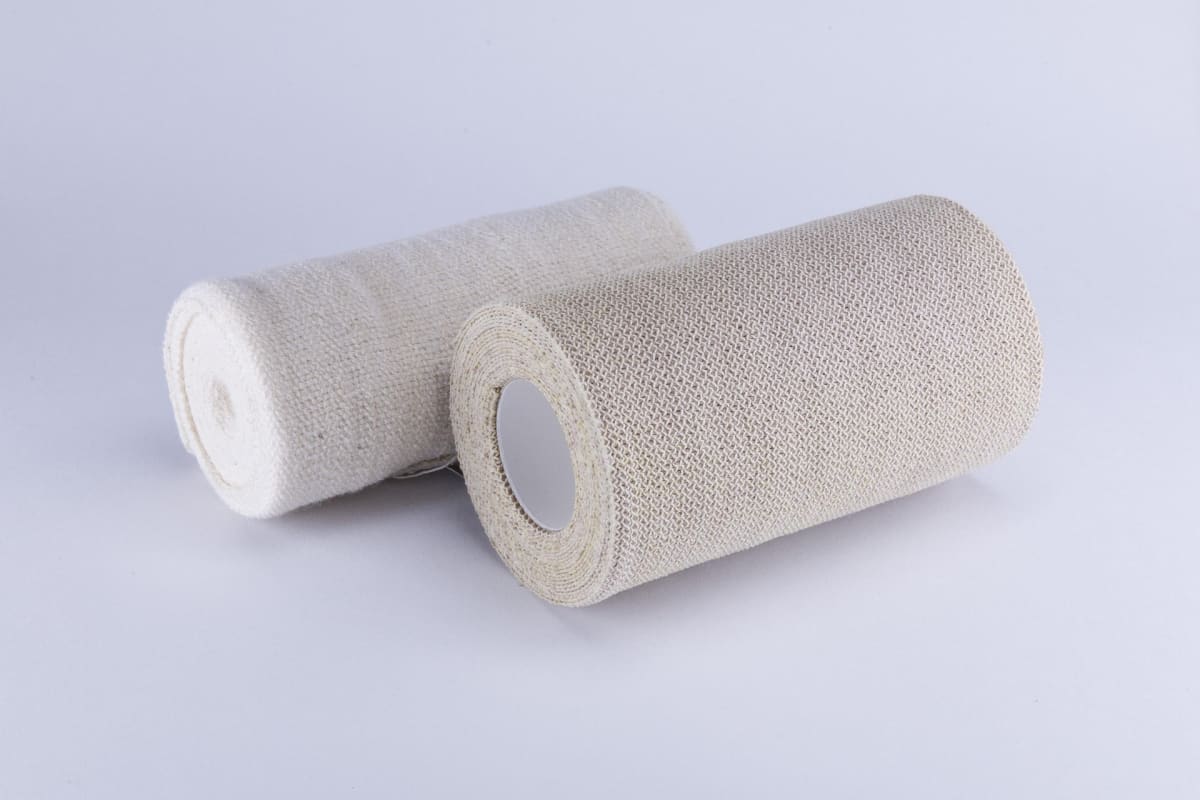
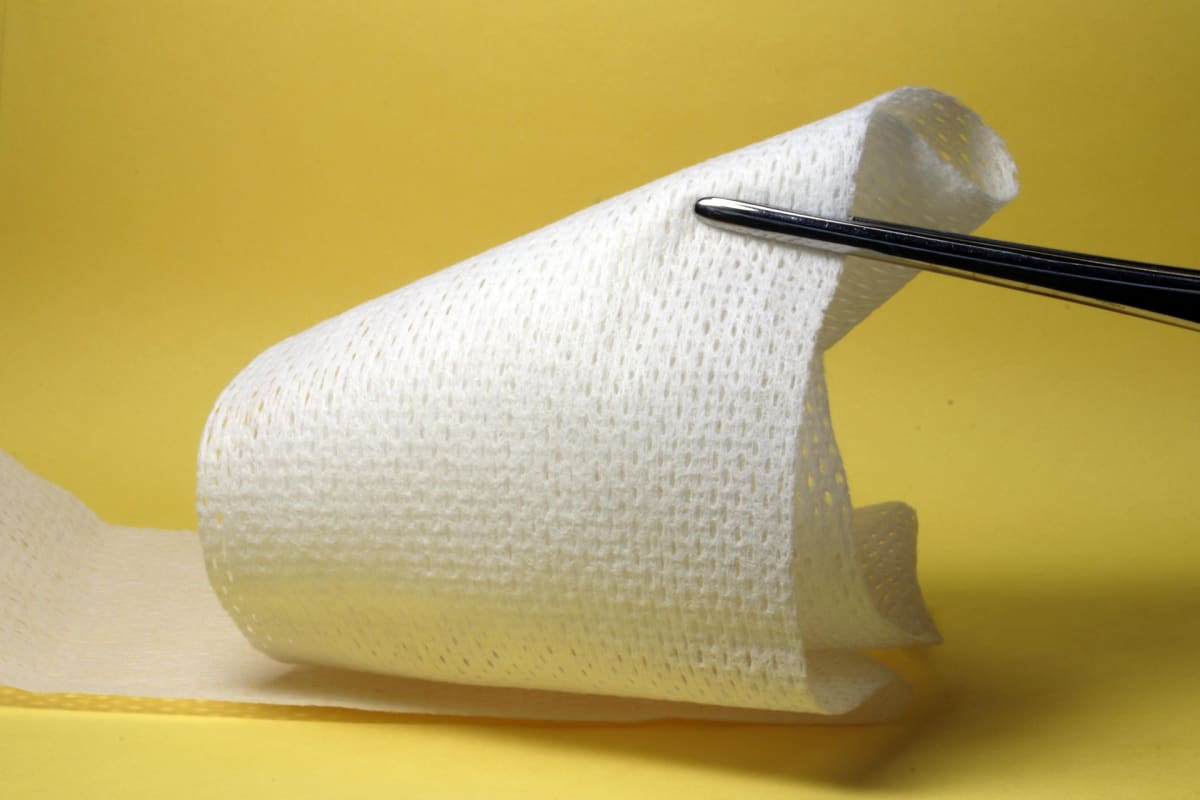
Not every wound can be covered with a small adhesive bandage but sterile gauze can be used to cover larger wounds and help control bleeding, while medical tape helps hold the dressing in place.
Gauze should be kept in its original sealed packaging until it is needed so it remains clean and sterile
For bleeding, a clean dressing can be pressed firmly against the wound to help control it. Severe or uncontrolled bleeding requires urgent medical attention.
3. Antiseptic Wipes
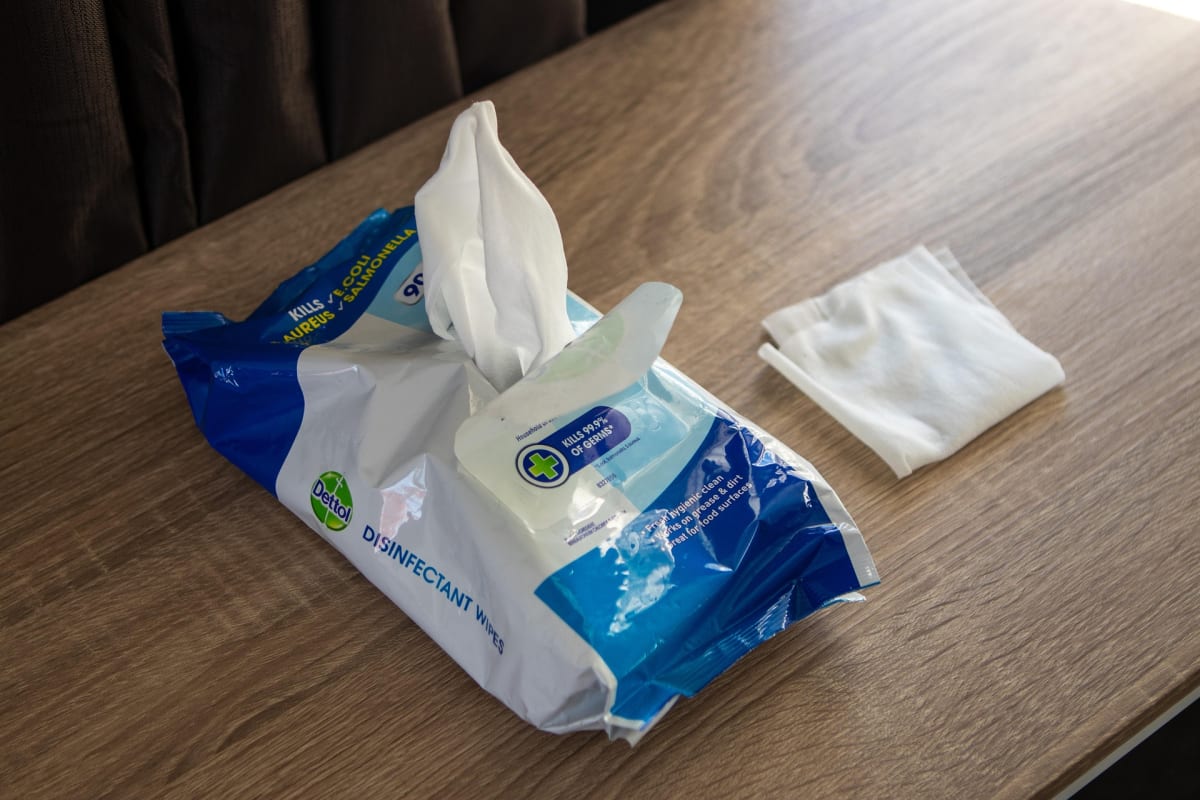
Antiseptic wipes can be useful when dealing with minor cuts and scrapes, particularly when soap and water is not easily accessible.
However, they are not a replacement for properly cleaning a wound. For minor cuts and scrapes, mayoclinic.org recommends rinsing the wound with clean running water and washing around it with soap. It specifically advises against using hydrogen peroxide because it can irritate the wound.
4. Disposable Non-Latex Gloves
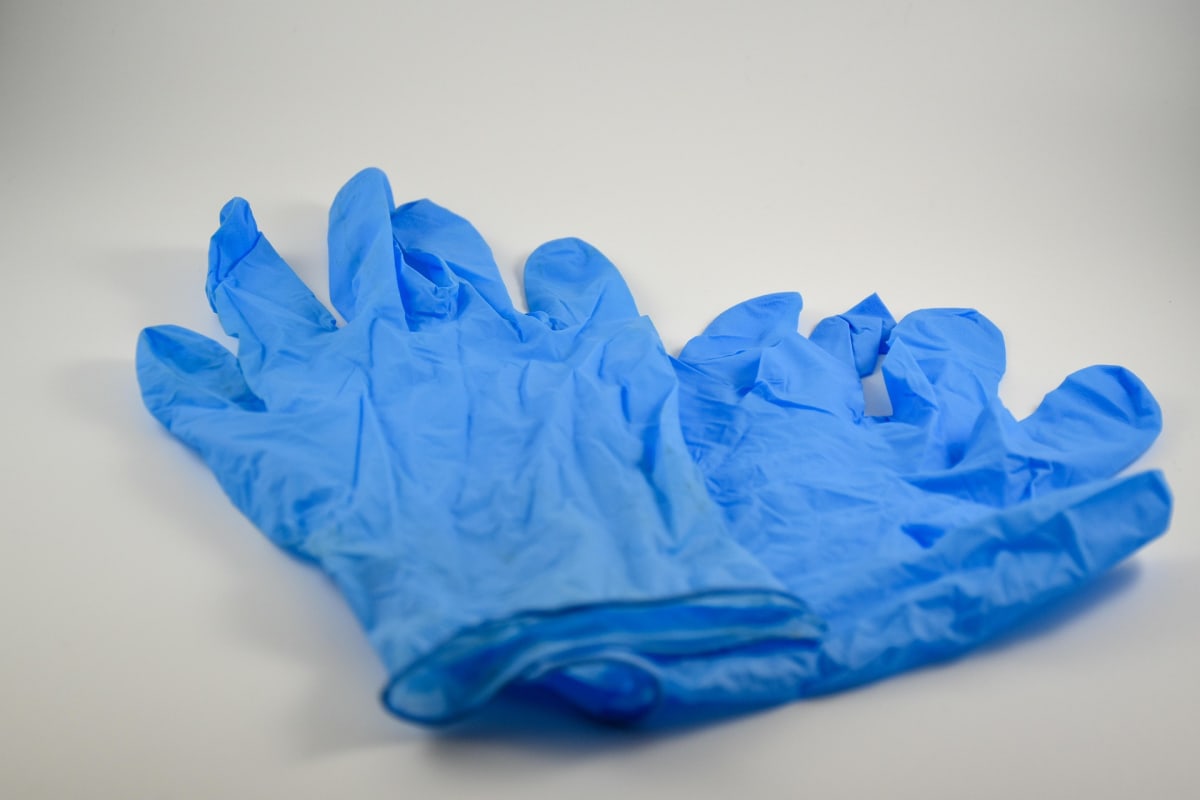
First aid is not only about protecting the injured person. The person providing care needs protection too
Disposable gloves, especially non-latex options such as nitrile gloves, can reduce direct contact with blood and other body fluids.
Keeping several pairs in the kit means there is still a pair available after one has been used.
5. Tweezers
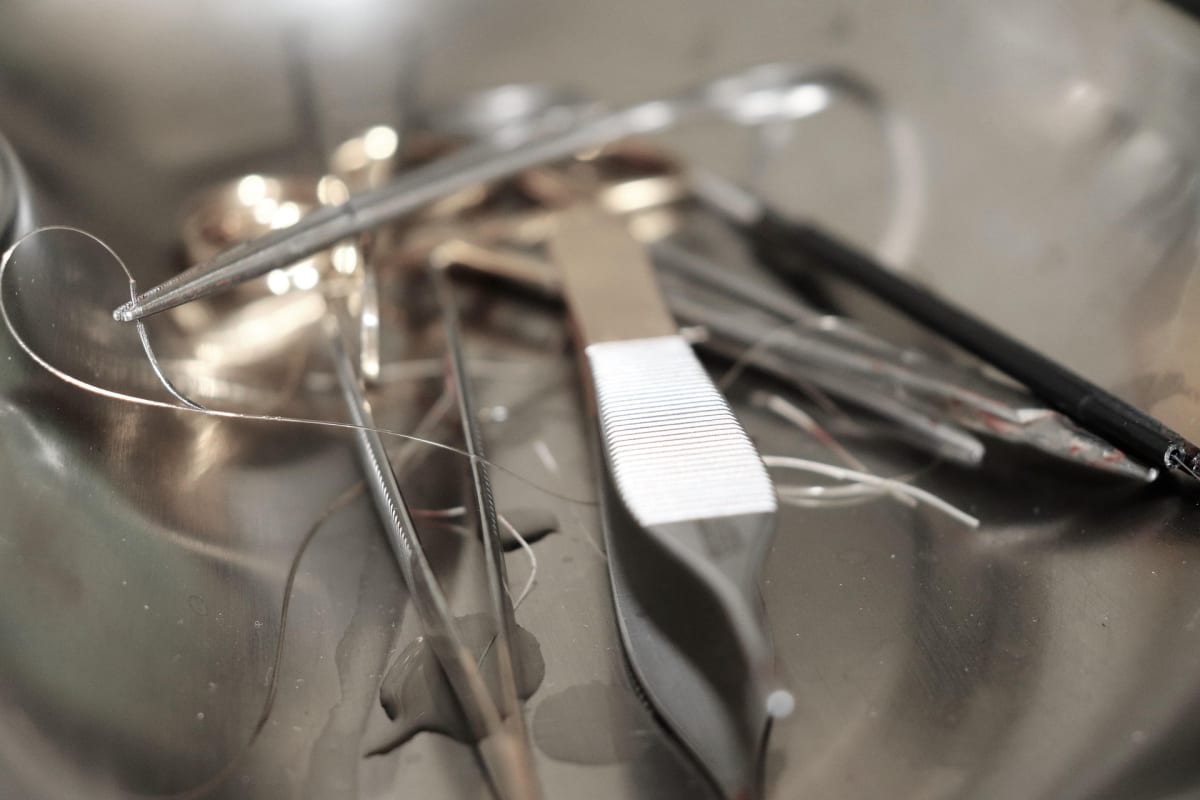
Tweezers may seem small and unimportant, but they can be surprisingly useful.
They can help remove small splinters or insect stingers when they are easy to reach.
Tweezers should be cleaned before use, and anything deeply embedded in the skin should be left for a healthcare professional to handle rather than being forced out
6. Scissors
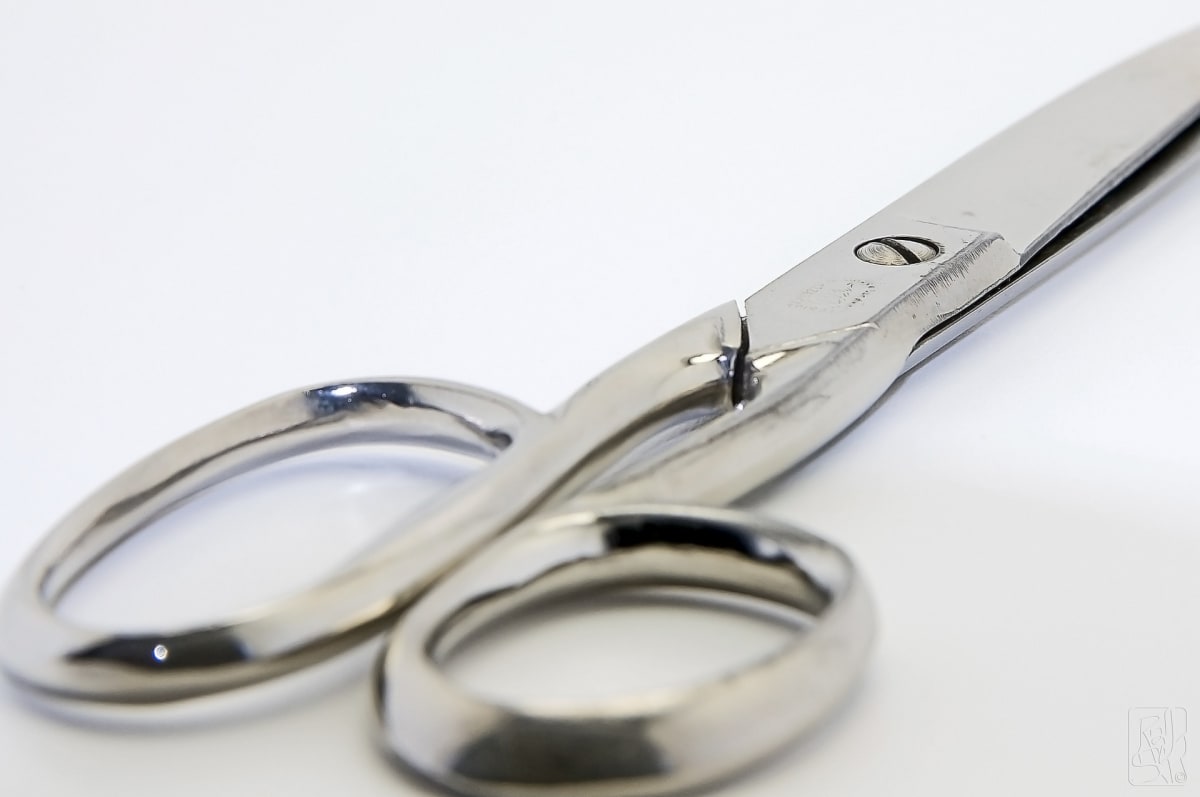
A pair of sharp scissors can make several first aid tasks easier. They can be used to cut medical tape, gauze or clothing when access to an injury is needed.
They should be kept clean and stored safely inside the kit.
For a basic kit, ordinary medical or utility scissors are generally more practical than filling the kit with specialised surgical instruments
7. Basic Pain Relievers
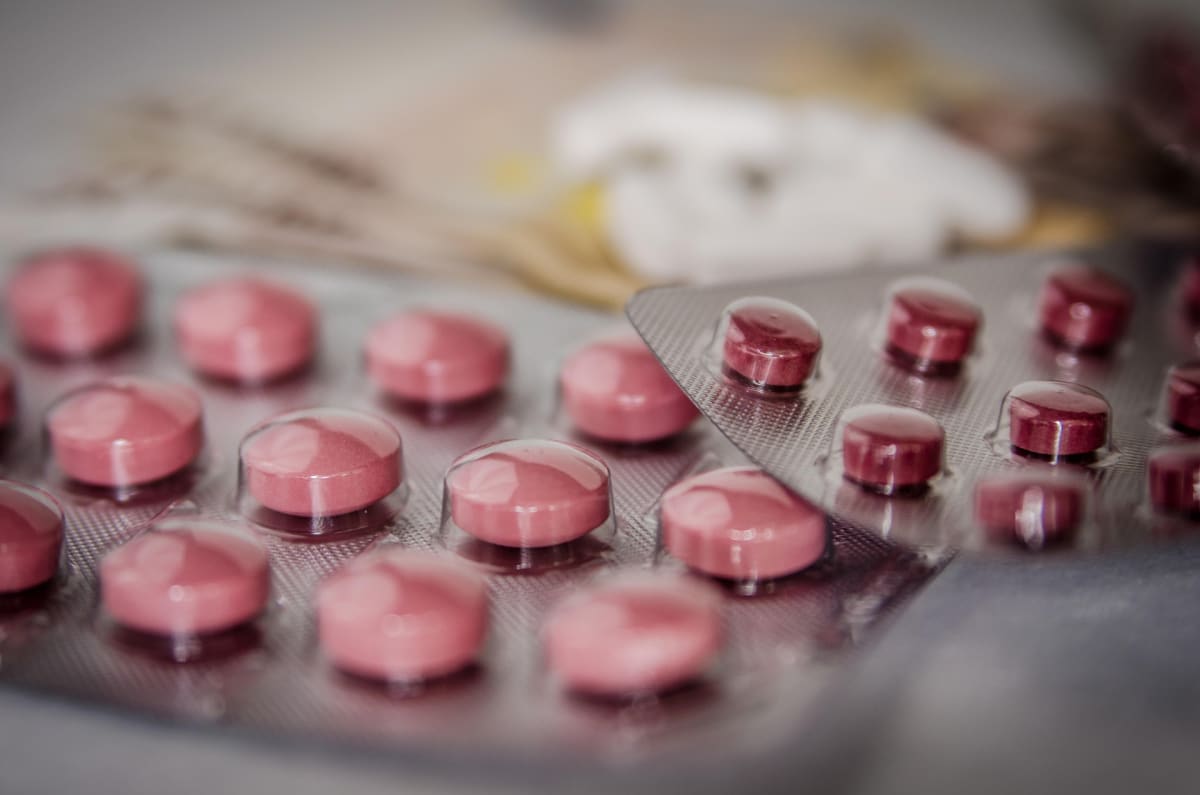
A basic first aid kit may include commonly used over-the-counter pain relievers for minor aches or fever.
However, medication should not simply be taken because it happens to be available. The label directions should be followed and people should consider allergies, existing health conditions, other medicines they take and age restrictions.
5 Things Your First Aid Kit Doesn't Need
Not everything that looks useful belongs in a basic first aid kit. Some items can be harmful, while others simply take up space without being useful for everyday emergencies.
1. Hydrogen Peroxide
Hydrogen peroxide may seem like an obvious choice for cleaning wounds, but it is not recommended for routine care of minor cuts and scrapes.
Mayo Clinic advises cleaning minor wounds with running water and specifically says not to use hydrogen peroxide because it can irritate the wound.
A first aid kit does not need a bottle of hydrogen peroxide just because it is commonly associated with wound cleaning.
2. Expired Medications
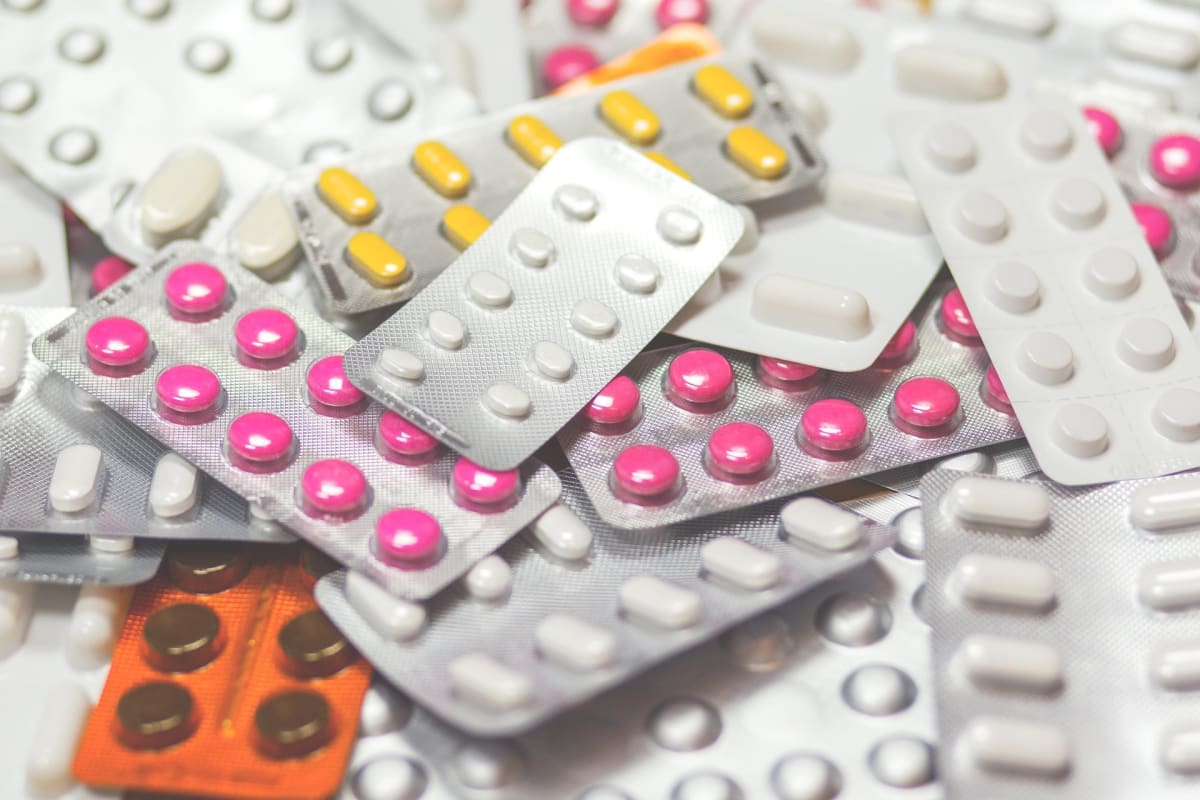
An expired medicine is not a useful backup. Once a medication has passed its expiration date, there is no guarantee that it will remain safe and effective.
The FDA advises against using expired medicines because they may become less effective or potentially unsafe. First aid kits should therefore be checked regularly, with expired medicines removed and replaced when necessary.
The American Red Cross also recommends checking a first aid kit regularly and replacing used or out-of-date contents.
3. Large Trauma Equipment
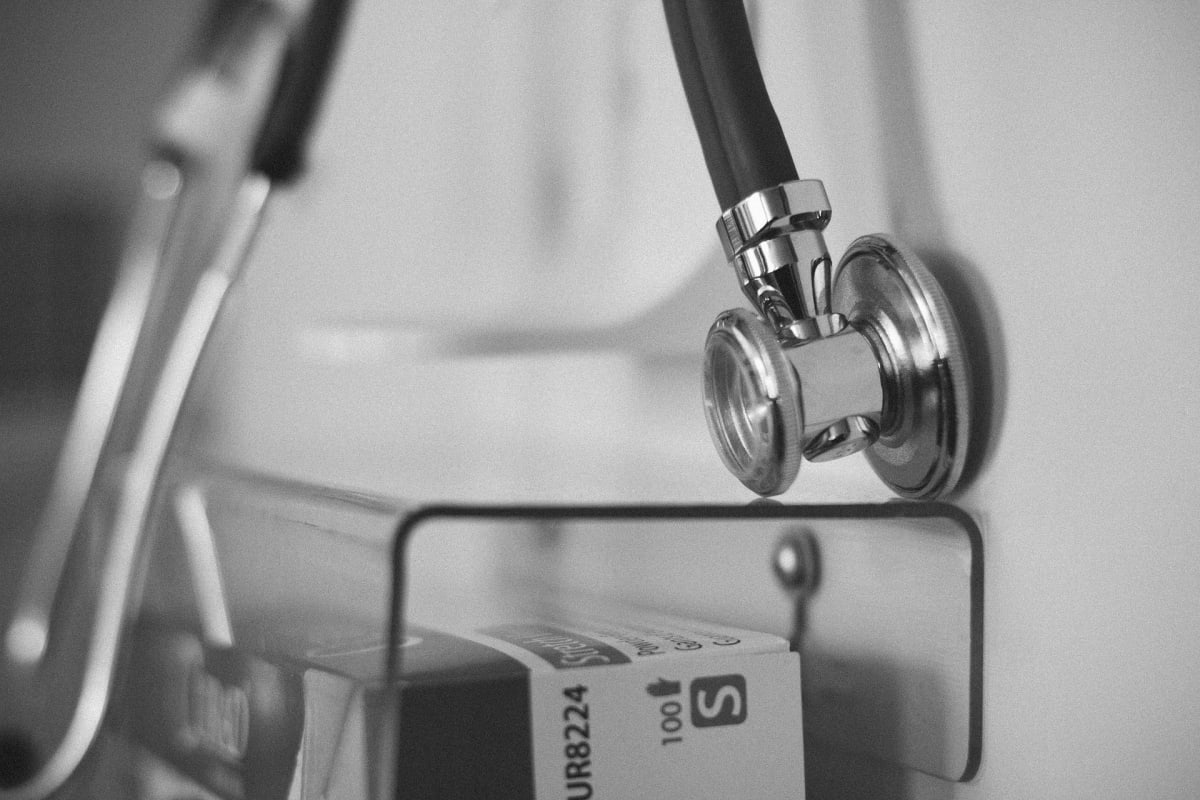
A basic household first aid kit does not need to look like a hospital emergency room.
Specialised equipment such as advanced bleeding-control devices, chest seals and other trauma supplies may be appropriate in higher-risk environments, but these items are not necessary for every home or everyday situation.
More importantly, advanced equipment should only be used by people who have received appropriate training.
4. Someone Else's Prescription Medication
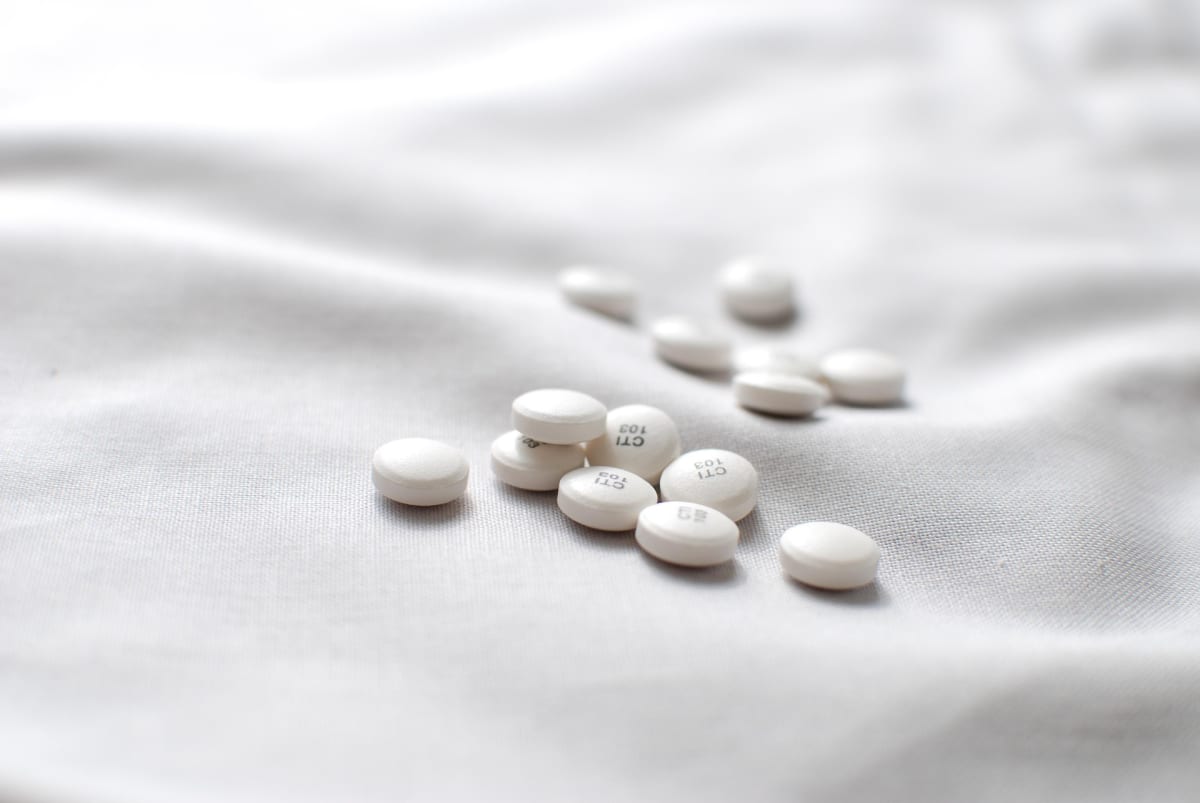
A shared first aid kit should not become a storage place for leftover prescription medicines.
Prescription drugs are intended for the person they were prescribed for and may be unsafe for someone else. The FDA also warns that unused medicines can pose a risk if they are taken by someone they were not prescribed for.
Personal prescription medicines should be kept separately and managed according to the instructions of the healthcare professional who prescribed them.
5. Cotton Balls
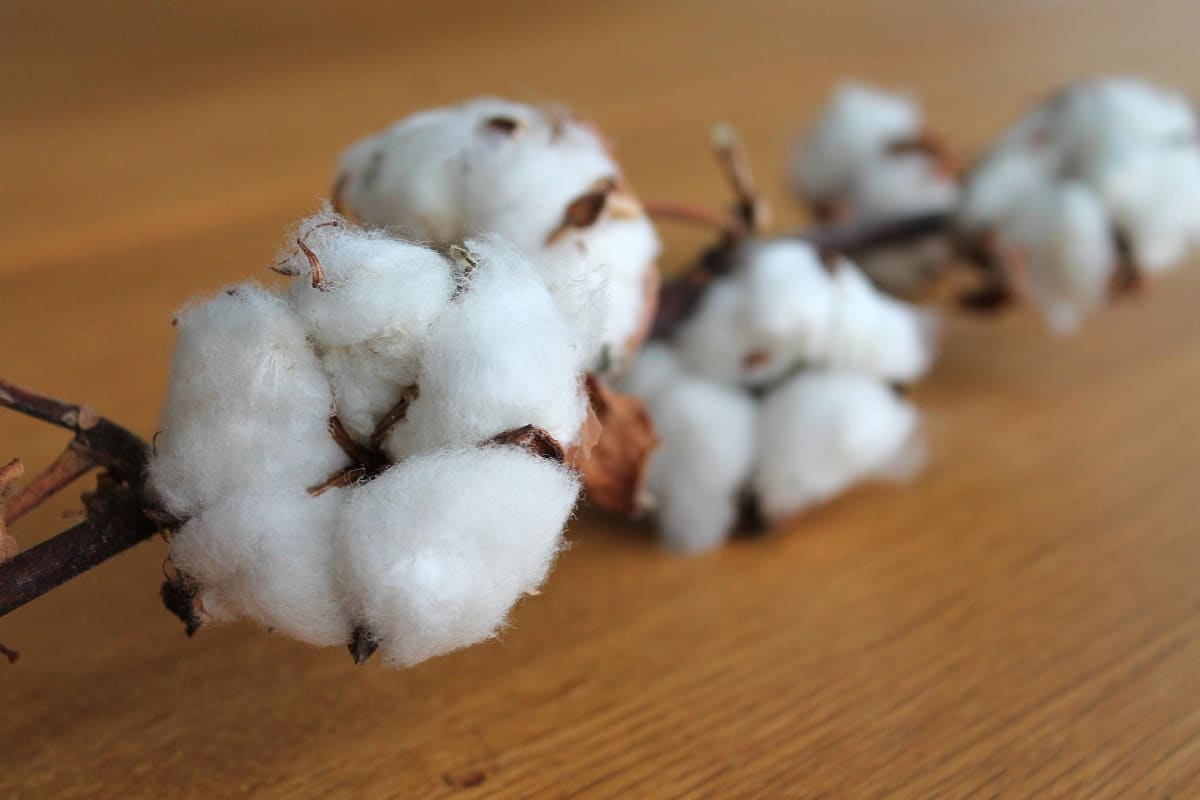
Cotton balls may seem harmless, but they are not ideal for treating open wounds. Loose fibres can separate and stick to a wound, making them less practical than sterile gauze for covering injuries.
A first aid kit is better stocked with sterile gauze pads and dressings designed for wound care.
Conclusion
Having a first aid kit is only useful if the supplies inside are still usable.
The kit should be checked regularly for expired medicines, damaged packaging and supplies that have already been used and anything used during an emergency should be replaced as soon as possible.
It is also helpful to keep the kit somewhere that is easy to reach and known to the people in the household.
Keeping first aid kits at home and in the car, and knowing where workplace kits are located is also important.
Most importantly, a first aid kit should support first aid knowledge, not replace it. Knowing what to do in an emergency can be just as important as having the supplies available.
A well-stocked first aid kit does not have to be complicated, It just needs to contain the right things, be kept up to date and be ready when they are needed.
Having the right supplies is only part of being prepared. Knowing how to respond when an injury or emergency happens is just as important. For a simple guide to handling common emergencies, read;
https://www.medslearn.com/articles/first-aid-a-simple-guide-for-everyday-emergencies