Heat Stroke Symptoms in Hot Weather: 10 Warning Signs and How to Prevent It.
 Attah Oluchukwu Vivian
 Heat Stroke Symptoms in Hot Weather: 10 Warning Signs and How to Prevent It.
During hot weather, many of us are advised to wear sunscreen and carry a portable hand fan. The heat can feel good, until it doesn’t. Most people have experienced that heavy, dizzy, “I need to sit down right now” feeling after spending too long under an intense sun. But heat stroke can escalate from mild discomfort to a life-threatening emergency much faster than many realize. The more you understand its warning signs, the better you can protect yourself and the people you care about.

What Is Heat Stroke?
Heat stroke is what happens when the body's core temperature climbs to 104°F (40°C) or higher, and the body's natural cooling system breaks down completely. In layman's terms, your body gets so hot that it simply can't cool itself down. Think of it like a phone that overheats and freezes. Except this isn't a device you can restart. This is your brain, your heart, your kidneys.
Key causes of heat stroke to understand:
Body temperature rises shockingly fast, sometimes within 10 to 15 minutes
Prolonged exposure to extreme heat overwhelms the body's cooling system
Dehydration reduces the body's ability to sweat, speeding everything up
Physical exertion in hot weather pushes the body past its limits faster than most people expect
Heat Stroke Symptoms: 10 Warning Signs to Know.
![GettyImages-1227025435[People with hot and cold thermometers temperature]-01](https://res.cloudinary.com/dqojz5vft/image/upload/v1774021006/tiptap-images/sgswaxckkkt9ot7yz83t.jpg "GettyImages-1227025435[People with hot and cold thermometers temperature]-01")
1. Very High Body Temperature
A reading of 103°F (39.4°C) or above is already a serious concern. Once it climbs past 104°F, the body's organs are under direct threat.
2. Sudden Confusion or Agitation
Someone who seemed fine a moment ago might suddenly look lost, say things that don't make sense, or become irritable for no clear reason. That shift is not odd behavior. It is a warning.
3. Slurred Speech
Heat disrupts the brain's ability to coordinate even basic functions. If someone's speech suddenly sounds slow, do not ignore it.
4. Hot, Red Skin
In classic heat stroke, skin feels dry and hot rather than sweaty. In cases involving intense physical activity, sweating might still be present. Either way, skin that is radiating heat and flushed red needs attention.
5. A Throbbing Headache
Not a screen headache. This one feels like pressure building from deep inside the skull. Many people say this was the first sign they noticed before things turned serious.
6. Dizziness or Fainting
When blood flow to the brain drops, the ground seems to tilt. Staying in direct sun too long can take someone from dizzy to blacking out in a very short time.
7. Nausea and Vomiting
The body is under serious stress, and the stomach reacts. Feeling queasy or being sick, especially alongside other heat stroke symptoms, is the body signaling that something is wrong.
8. Rapid or Shallow Breathing
Breathing becomes fast and almost desperate as the body tries to regulate a temperature that keeps climbing.
9. Seizures
When the brain overheats severely, its normal electrical signals can go wrong. Seizures mean the situation is critical, and help needs to arrive immediately.
10. Loss of Consciousness
This is the body running out of options. Passing out or becoming unresponsive is a full medical emergency. Every second from this point forward matters.
Heat Exhaustion vs Heat Stroke: Know the Difference
Before things reach a breaking point, the body usually sends earlier signals through heat exhaustion. Heavy sweating, cold, clammy skin, and weakness are the hallmarks. It is serious, but it is also the warning stage and the window where you can still turn things around.
Heat stroke is what happens when heat exhaustion gets ignored. The sweating stops, the temperature spikes, and the brain begins to struggle. Knowing the difference between heat exhaustion and heat stroke could be the most important thing you take from this article.
Heat Stroke Prevention
Most heat stroke cases are preventable. It comes down to daily habits.
Drink water before you feel thirsty. By the time thirst kicks in, your body is already behind. Aim for 2 to 3 liters a day, more if you are active or sweating heavily.
Stay indoors between 10 am and 4 pm when the heat peaks. If you must be outside, find shade, wear sunscreen, and take regular breaks
Dress smart. Light colors, loose breathable fabrics, and a hat are genuine protection in extreme heat.
Never leave a child or pet in a parked car. Temperatures inside a closed vehicle can turn dangerous in under 10 minutes.
Check on the people around you. An elderly neighbor, a family member working outside, a child playing in the afternoon sun. A quick check-in costs nothing and could mean everything.
First Aid for Heat Stroke
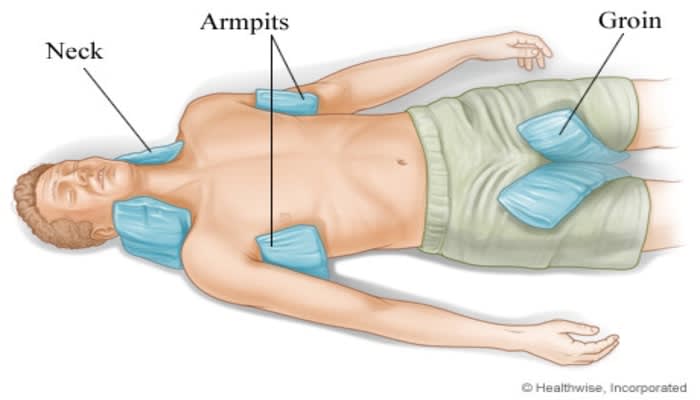
If someone near you starts showing heat stroke symptoms, move them to shade or somewhere cool immediately. Remove extra clothing. Apply water, wet cloths, or ice packs to the neck, armpits, and groin. If they are conscious and able to swallow, offer small sips of cool water.
Then call emergency services right away. First aid for heat stroke in those first few minutes can be the difference between full recovery and lasting damage.
Final Thoughts
Heat stroke is fast, serious, and largely preventable. The warning signs are real, the risks in hot climates like Nigeria are growing, and the steps to stay safe are easy. You do not need to be a doctor to recognize when someone is in danger. You just need to know what to look for and be willing to act.
Look out for yourself. Look out for the people around you. In this kind of heat, that awareness is one of the most valuable things you can have.