Fundamentals of Hygiene: Easy Daily Habits for Better Health
 Angel Okoli
 The WHO defines hygiene as "conditions and practices that help to maintain health and prevent the spread of diseases." In simple terms, hygiene refers to the practices we follow to maintain cleanliness and prevent disease. These practices can be personal, environmental, or related to food and water safety.
Hygiene is one of the oldest and most effective tools for preventing disease. Long before modern medicine, communities that practiced cleanliness experienced fewer outbreaks of illness. Today, global health organizations continue to emphasize hygiene as a core pillar of public health. Hygiene is not just about appearance, it is about interrupting the transmission of infectious agents, protecting communities, and promoting overall well-being. We see from our previous article that personal Hygiene is essential component of your physical health.
Core Principles of Hygiene
Hygiene can be grouped into four major areas:
1. Personal Hygiene
2. Environmental Hygiene
3. Food Hygiene
4. Community and Public Hygiene
What is Personal Hygiene (Taking Care of Your Body)
Personal hygiene is everything you do to keep your body clean and protect yourself from germs and infections. It involves how we protect from cross-contamination either zoonotic (diseases from animals) or from one person to another or even from our environment. They help us appear more confident and healthy
1. Hand Hygiene
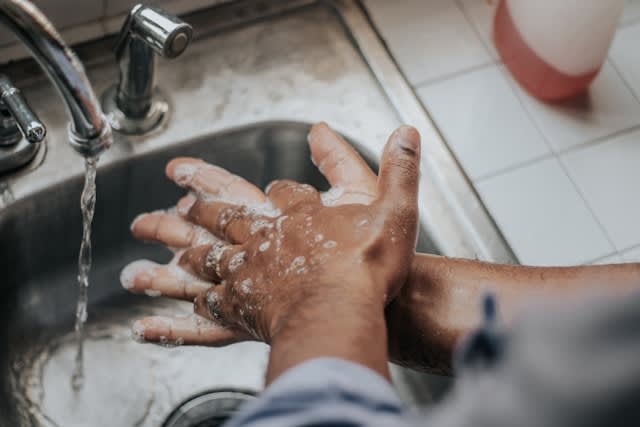
Handwashing is one of the most effective ways to prevent illness. We touch many surfaces every day door handles, phones, desks and germs can easily spread from our hands to our mouths, eyes, or nose and it's important to keep them clean!
According to WHO, proper handwashing should:
- Use clean, running water
- Include soap
- Last at least 20 seconds
- Cover all hand surfaces
Hand hygiene is particularly important:
- Before eating or preparing food
- After a long day at work
- After using the toilet
- After coughing or sneezing
- After handling animals
- After handling waste
Tip: If soap isn’t available, an alcohol-based hand sanitizer is a good alternative!
2. Oral Hygiene
Your mouth is the gateway to your body and maintaining oral hygiene prevents dental caries, gum disease, oral infections, and even infections that affect other parts of the body.
Health authorities recommend:
- Brushing teeth twice daily with fluoride toothpaste
- Flossing once a day
- Replacing your toothbrush regularly
- Visiting a dentist for check-ups
Fresh breath is nice, but a healthy mouth, free of mouth sores, pain, tooth decay is even better.

3. Body Hygiene
The skin acts as a protective barrier against microorganisms so daily bathing or showering removes sweat, dirt, and bacteria that build up on the skin. Wearing clean clothes and changing underwear daily also helps prevent skin problems and body odor.
Body Hygiene includes your skin, hair, nails, and clothes so don't forget to:
- Keep nails trimmed and clean
- Wash hair and scalp regularly with shampoo
- Use deodorant
- Wash clothes and change underwear daily
- Bathe regularly
Environmental Hygiene: Keeping Your Surroundings Clean
Environmental hygiene refers to keeping surroundings clean and safe. Your environment affects your health just as much as your personal habits, it needs to be clean to promote healthy living. Your home, your surroundings, your workplace, they are all included.
1. Home Cleanliness
This involves keeping your household clean. Dust, mold, and bacteria can build up quickly in living spaces. Regular cleaning helps prevent illness.
Focus on:
- Cleaning bathrooms and kitchens frequently
- Preventing pest infection
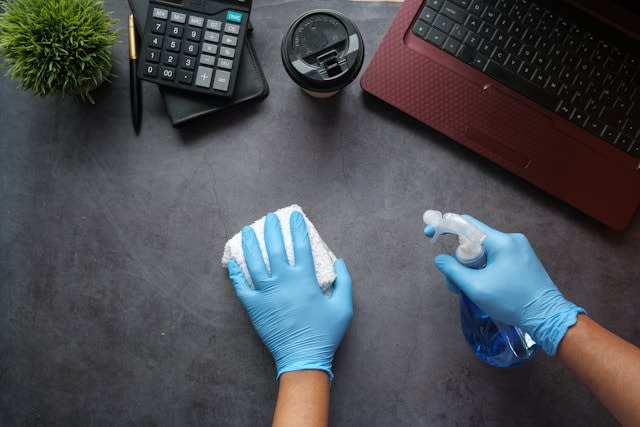
- Disinfecting high-touch surfaces
- Proper waste disposal
- Good ventilation
2. Water, Sanitation, and Hygiene (WASH)
WHO and UNICEF promote WASH programs globally. Access to clean water and safe sanitation facilities prevents diseases such as cholera, dysentery, and typhoid fever. Clean water is essential for drinking, cooking, and washing and unsafe water can spread diseases.
Safe sanitation includes:
- Proper sewage systems
- Use of toilets
- Safe disposal of human waste
Always:
- Drink safe, treated water
- Store water properly
- Use sanitary toilet facilities
Food Hygiene: Staying Safe in the Kitchen
Food hygiene is the practice of handling, preparing, and storing food in a way that prevents foodborne illnesses. Food hygiene prevents foodborne illnesses caused by bacteria, viruses, and parasites.
These are the WHO "Golden Rules":
1.Choose foods processed for safety
2.Cook food thoroughly
3.Eat cooked foods immediately
4.Store cooked foods carefully
5.Reheat cooked foods thoroughly
6.Avoid contact between raw foods and cooked foods
7.Wash hands repeatedly
8 Keep all kitchen surfaces meticulously clean
9.Protect foods from insects, rodents, and other animal
10.Use safe water
Secondly, simple rules to remember:
- Wash fruits and vegetables thoroughly
- Wash your hands thoroughly before cooking
- Store perishable items in the refrigerator
- Check expiry date
- Use fresh ingredients to cook
- Thow away rotten foods and ingredients
Community and Public Hygiene
Community hygiene involves collective actions to maintain a clean environment, prevent disease spread, and protect public health through proper sanitation, waste management, and safe water access.
Community hygiene focuses on collective actions to reduce disease transmission and public health measures include:
- Waste management systems
- Clean public water supply
- Health education campaigns
- Infection control in hospitals
The Link Between Hygiene and Disease Prevention
Many common illnesses like the flu, diarrhea, skin infections, and respiratory infections spread because of poor hygiene. Actions as simple as not washing your hands can have you spending nights on a hospital bed, we need to be intentional and consistent in our hygiene routine.
Importance of good hygiene:
1.Reduces the spread of germs
2.Takes care of our mental health
3.Saves healthcare costs
4.Improves our social status
5.Improves our quality of life
6.Helps us protect others from infection
Mental and Social Benefits of Hygiene
Hygiene isn’t only physical, it also affects us socially and mentally. Some of us have felt repulsive towards a person having body odor, bad breath, or dirty fingernails so as human beings, making personal hygiene a priority helps us feel more comfortable and accepted in social settings. When we take care of ourselves, both physically and mentally, we naturally feel more confident and ready to face and interact with people.
Feeling clean can boost self-esteem, improve social interactions, reduce stress, and increase comfort and confidence.
Summary:
The fundamentals of hygiene are not complicated. They’re built on small, steady habits that protect your body and the people around you. From the guidance of the WHO and other health authorities to community-level initiatives worldwide, hygiene remains central to disease prevention and health promotion.
At its core, hygiene is about responsibility, responsibility to care for ourselves and to protect others. Clean hands, safe water, proper sanitation, and healthy habits form the foundation of strong communities, it's something worth practicing every single day.
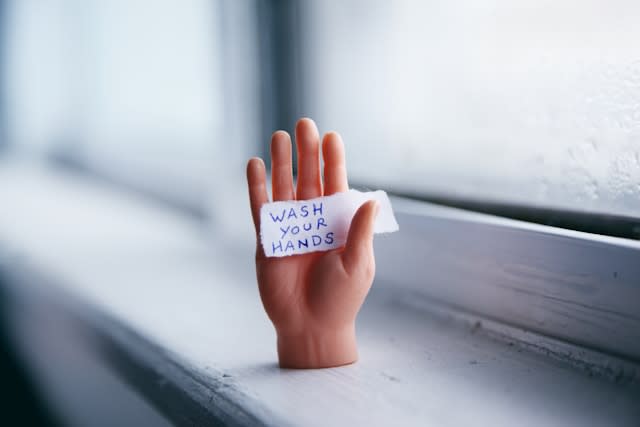
Photo credits:
Thumbnail: Yukon Haughton
Washing hands photo: Mélissa Jeanty
Oral hygiene photo: Nik
Disinfection photo: Towfigu barbhuiya
End photo: Alexander Grey